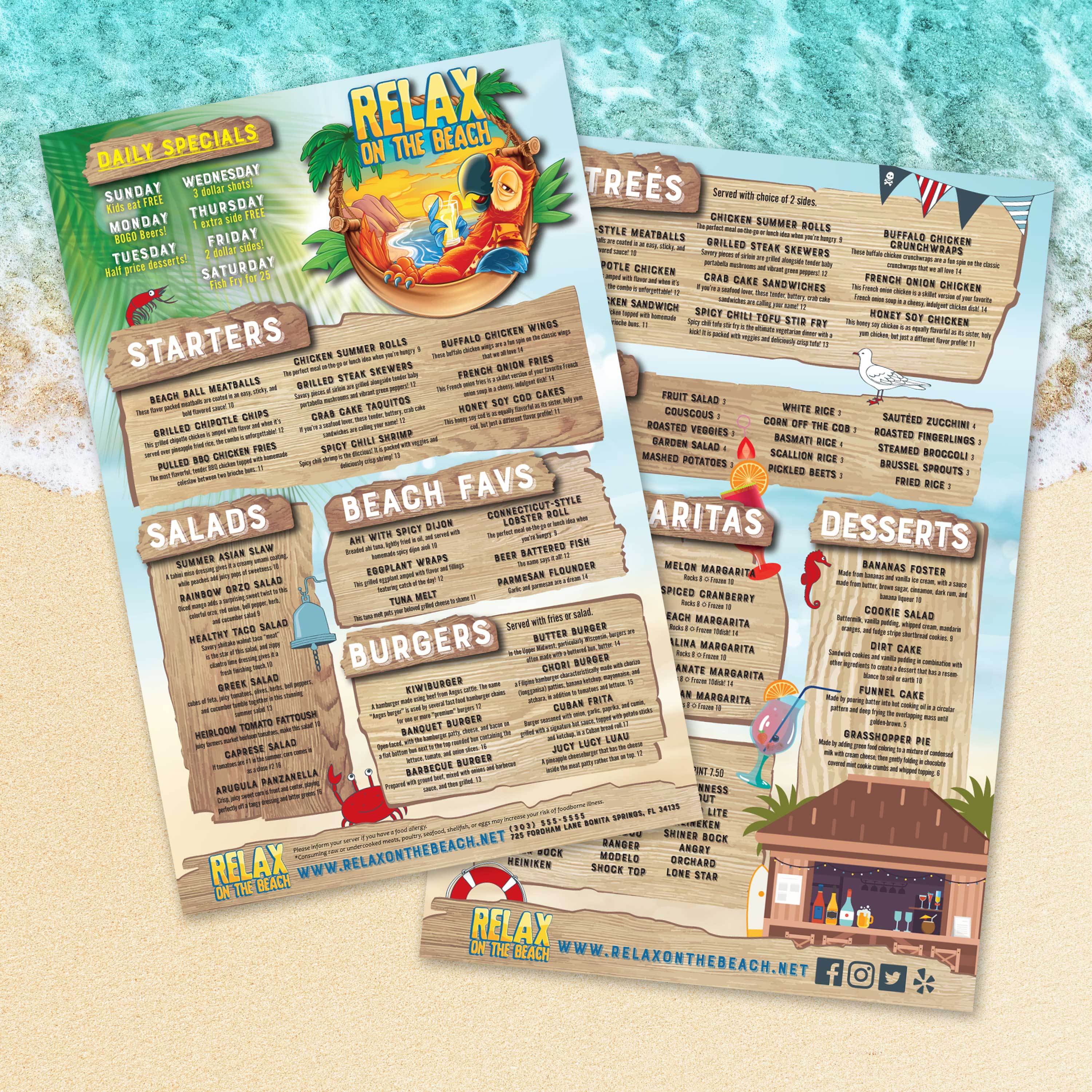
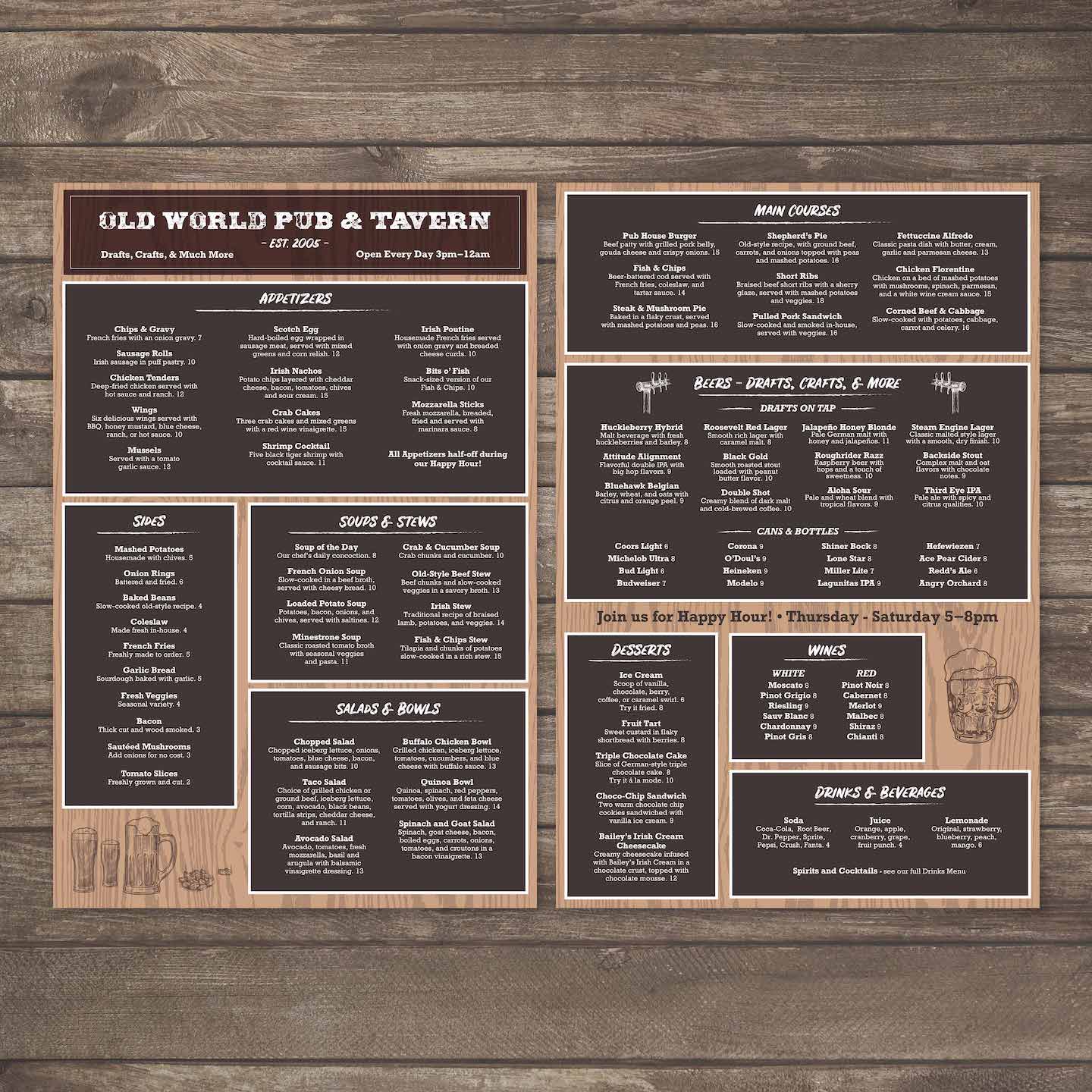
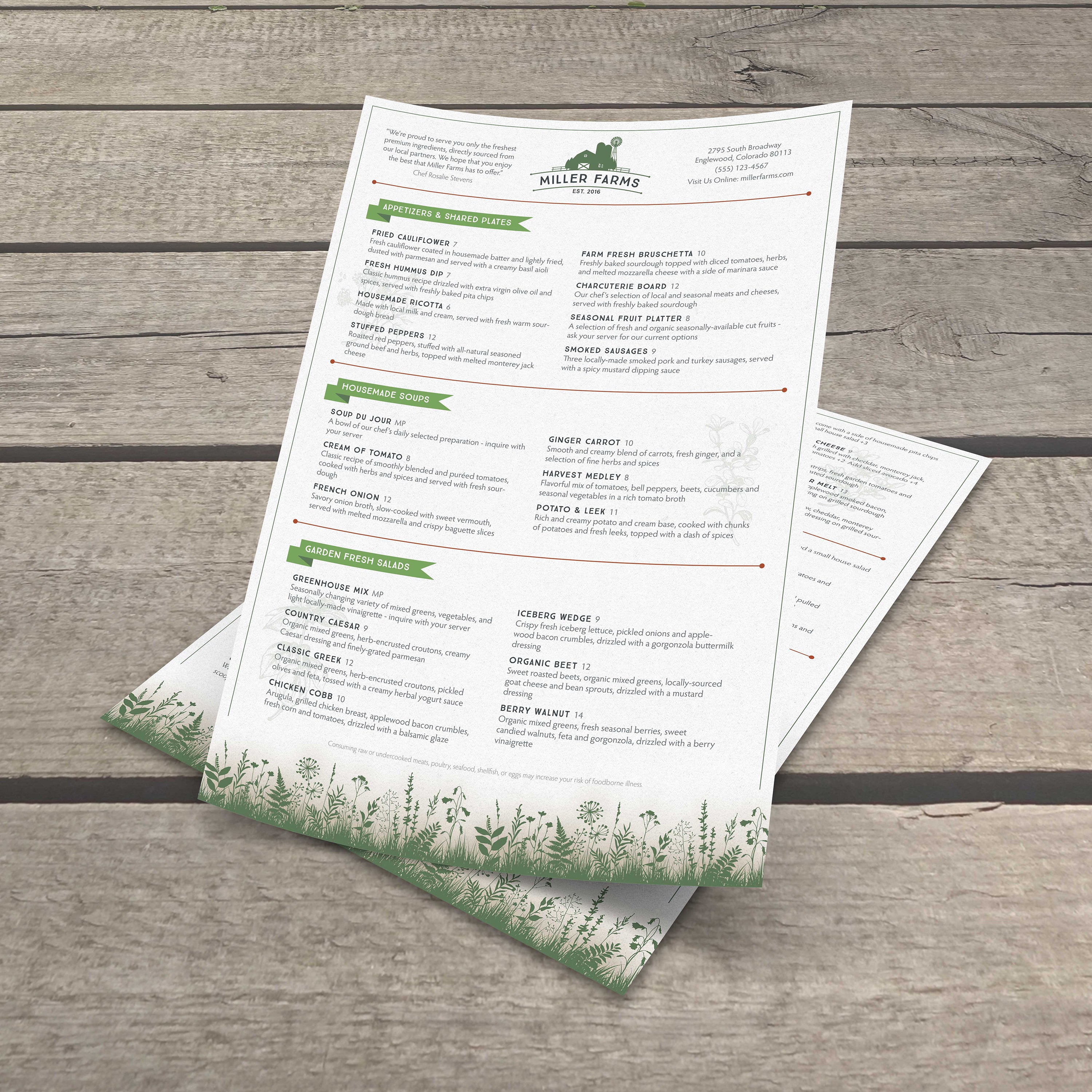
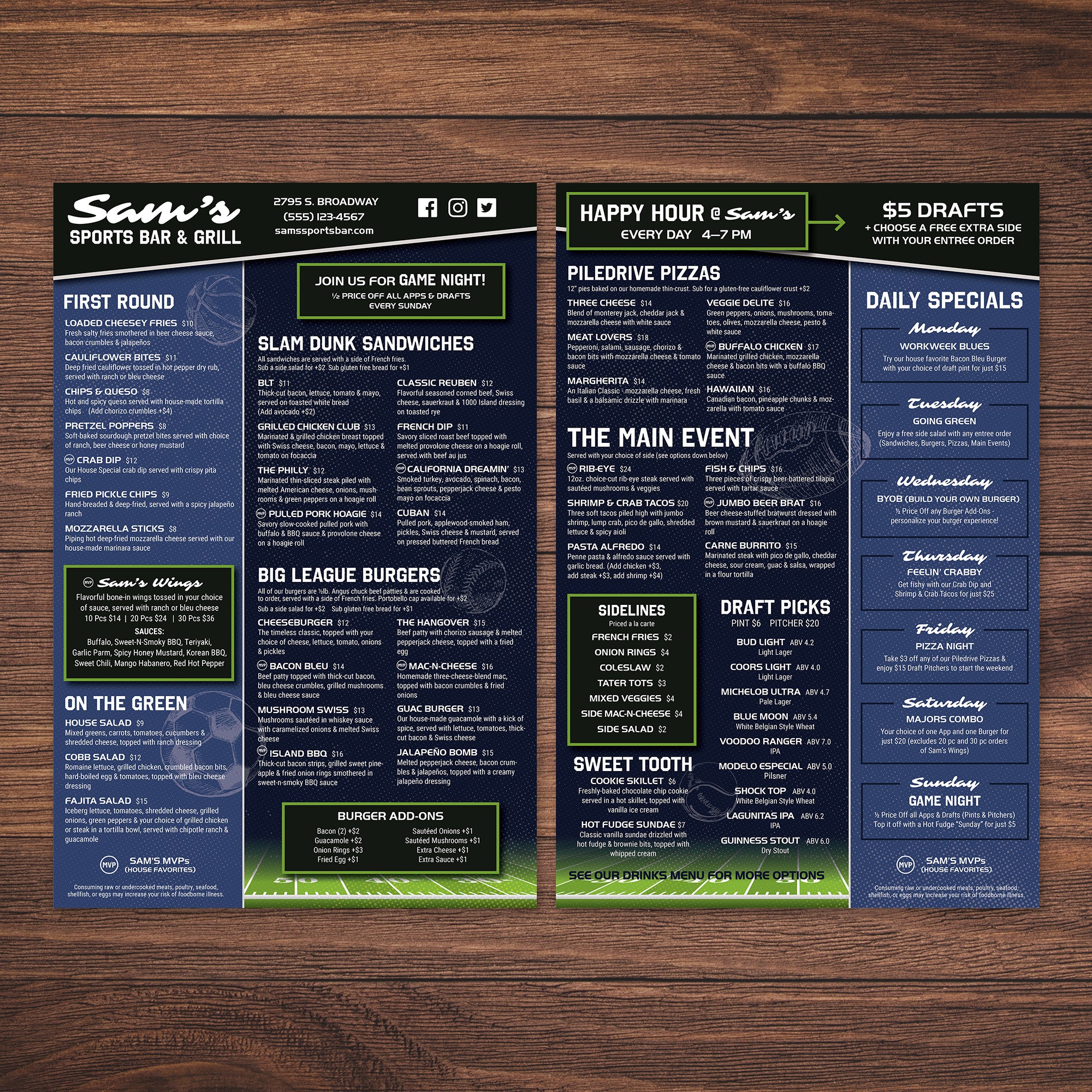
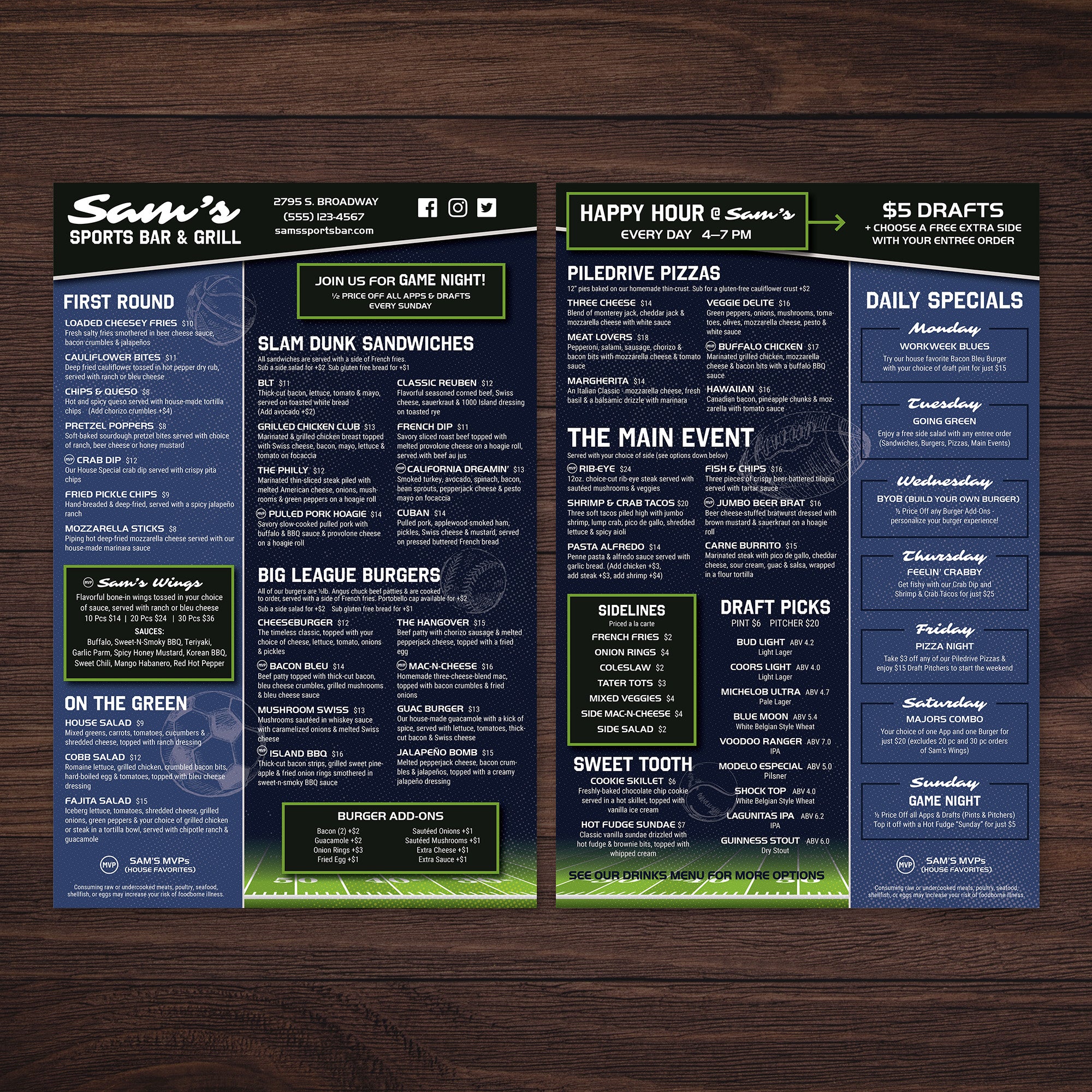
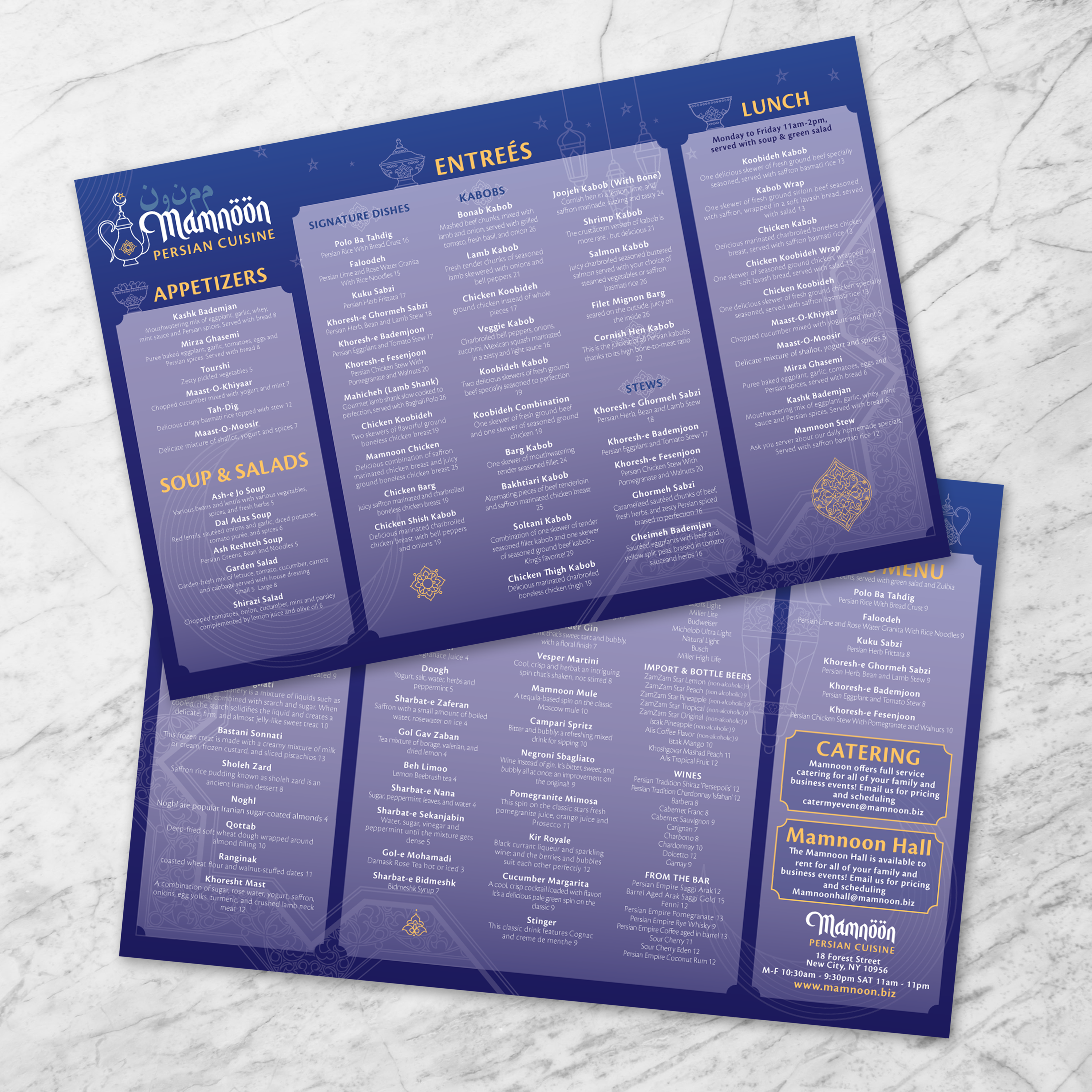
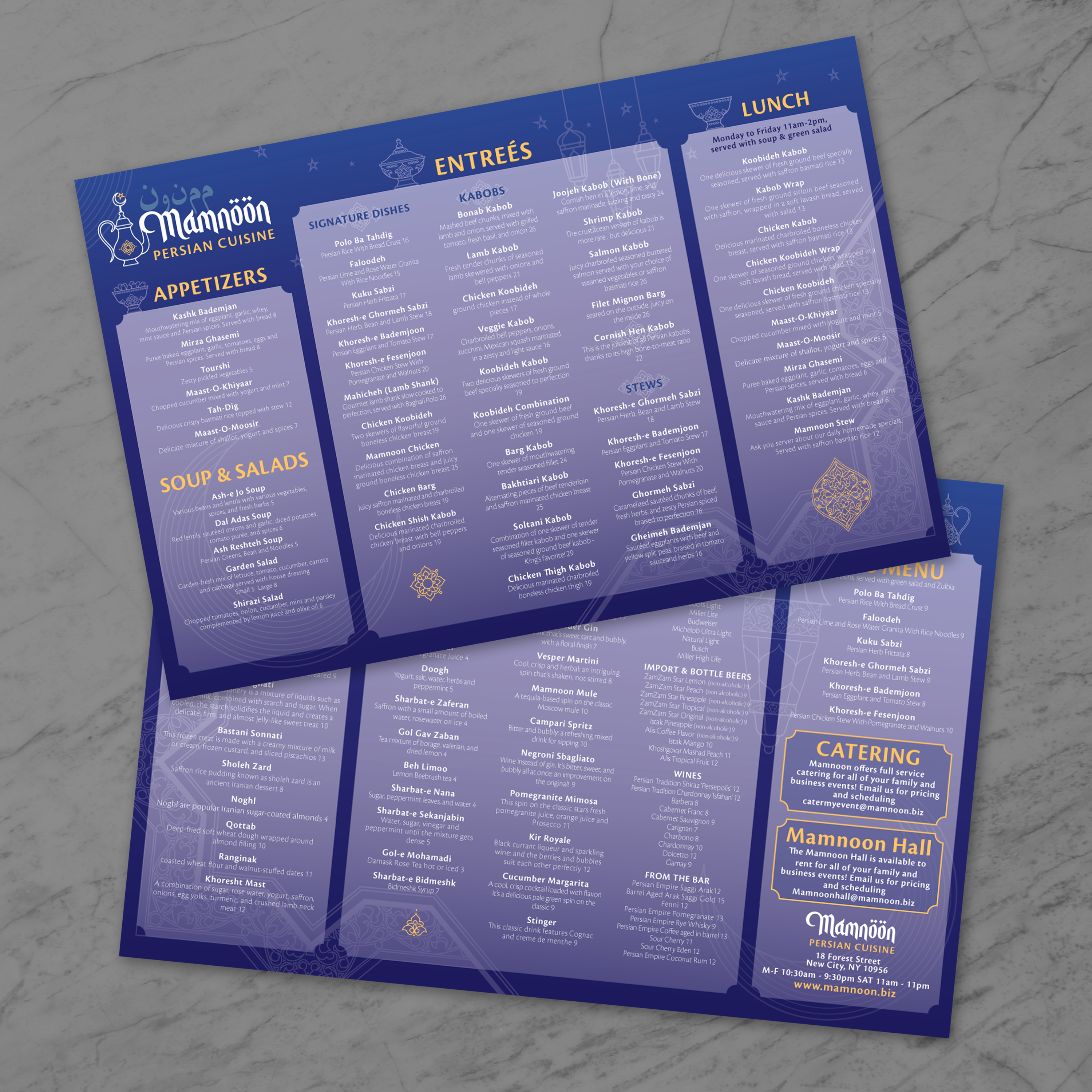
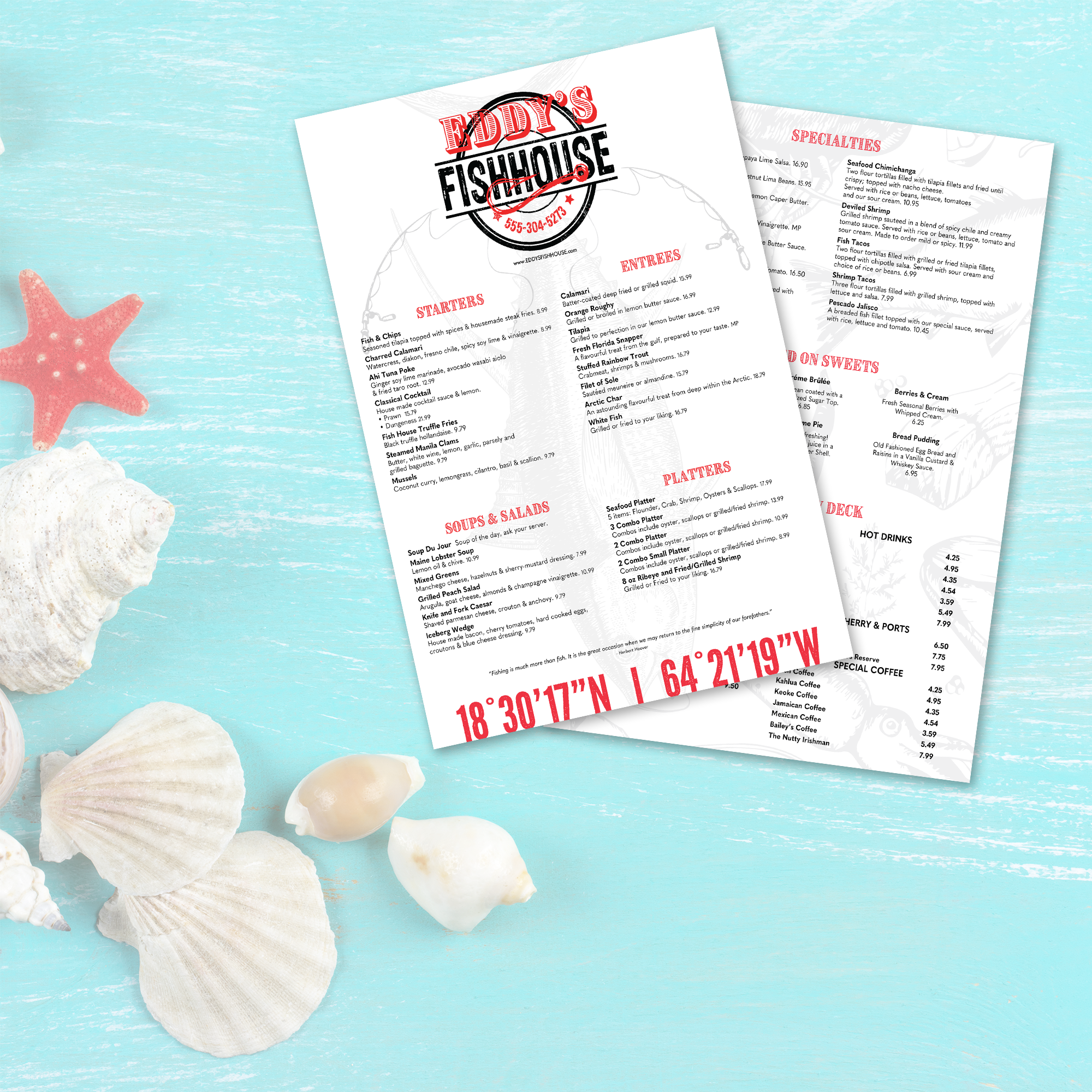
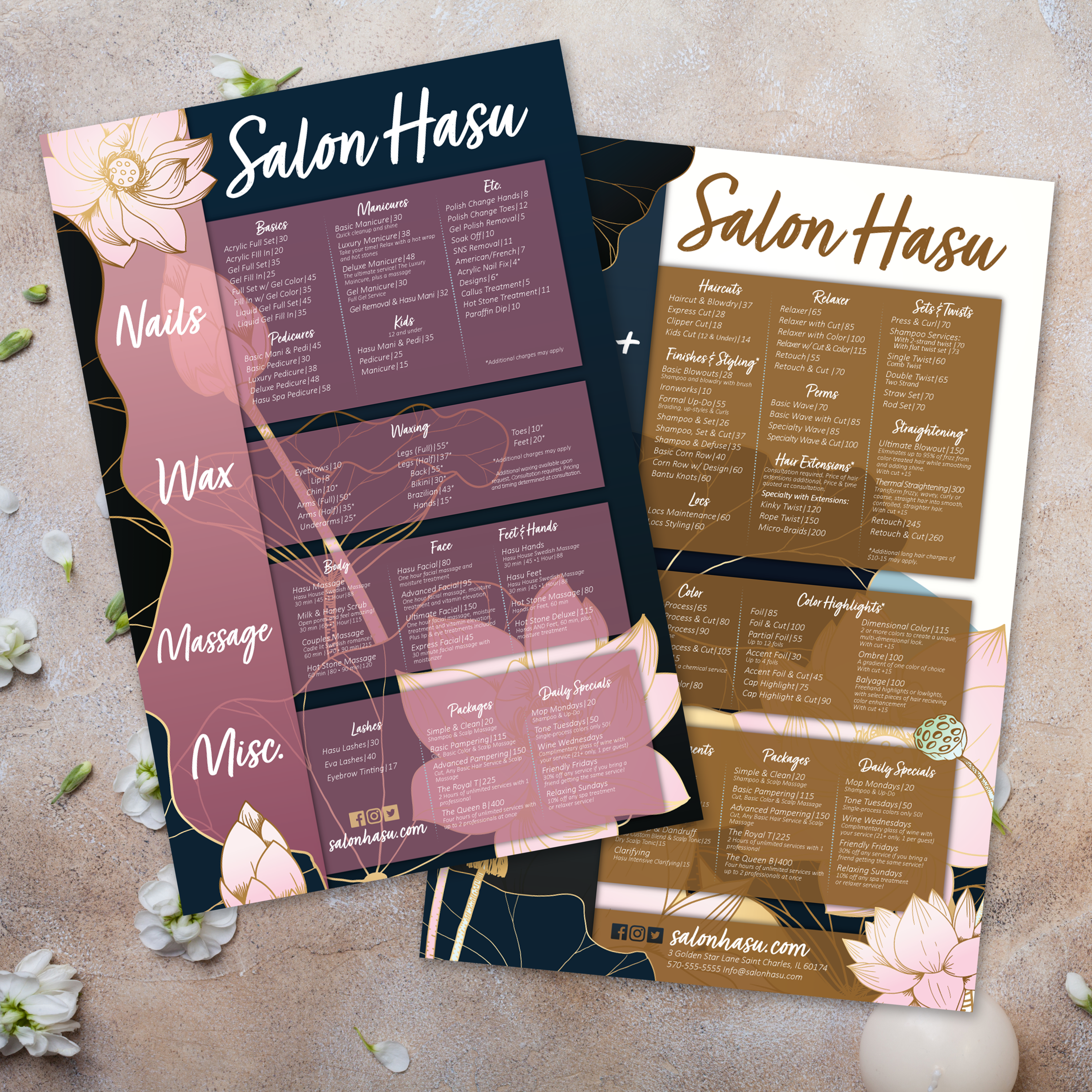
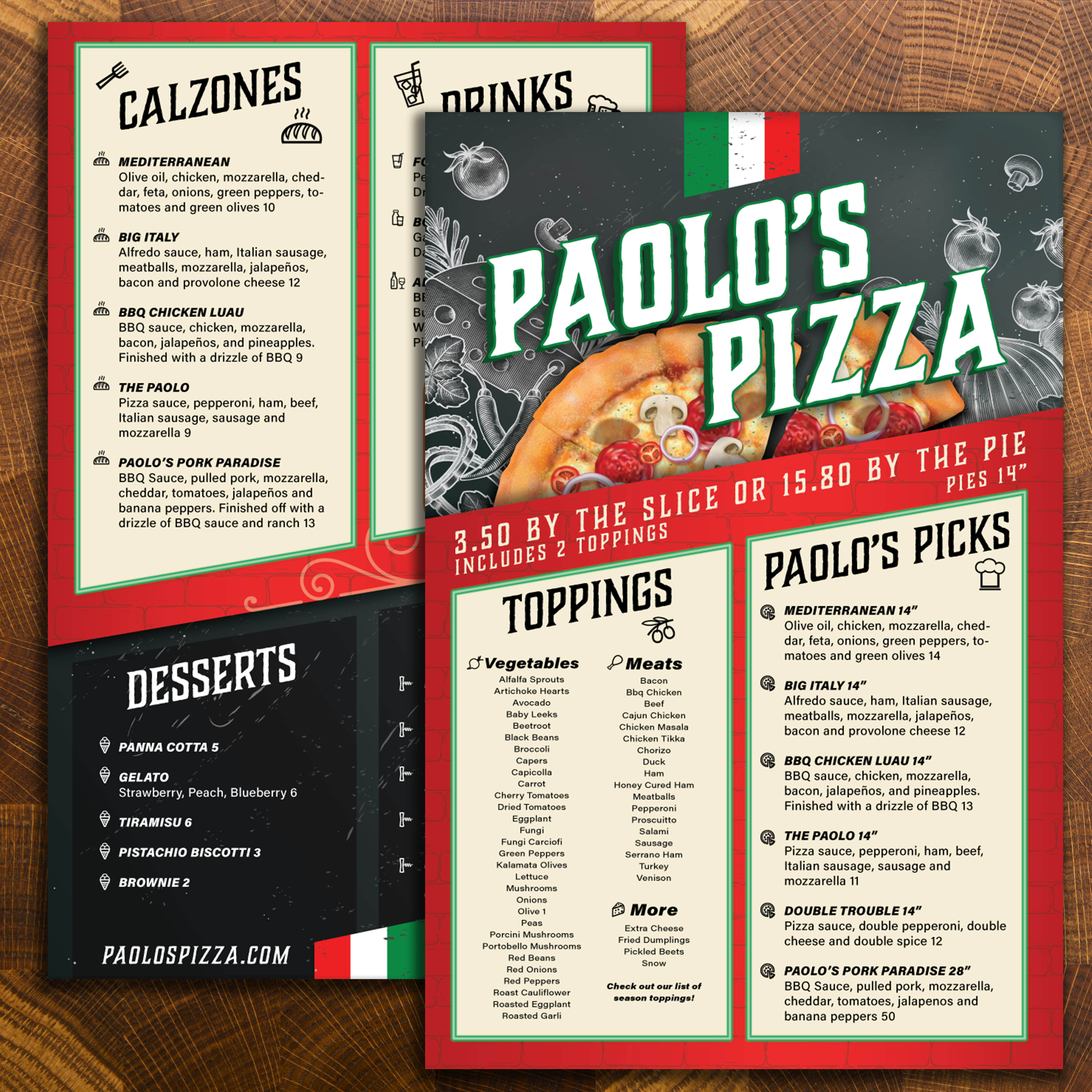
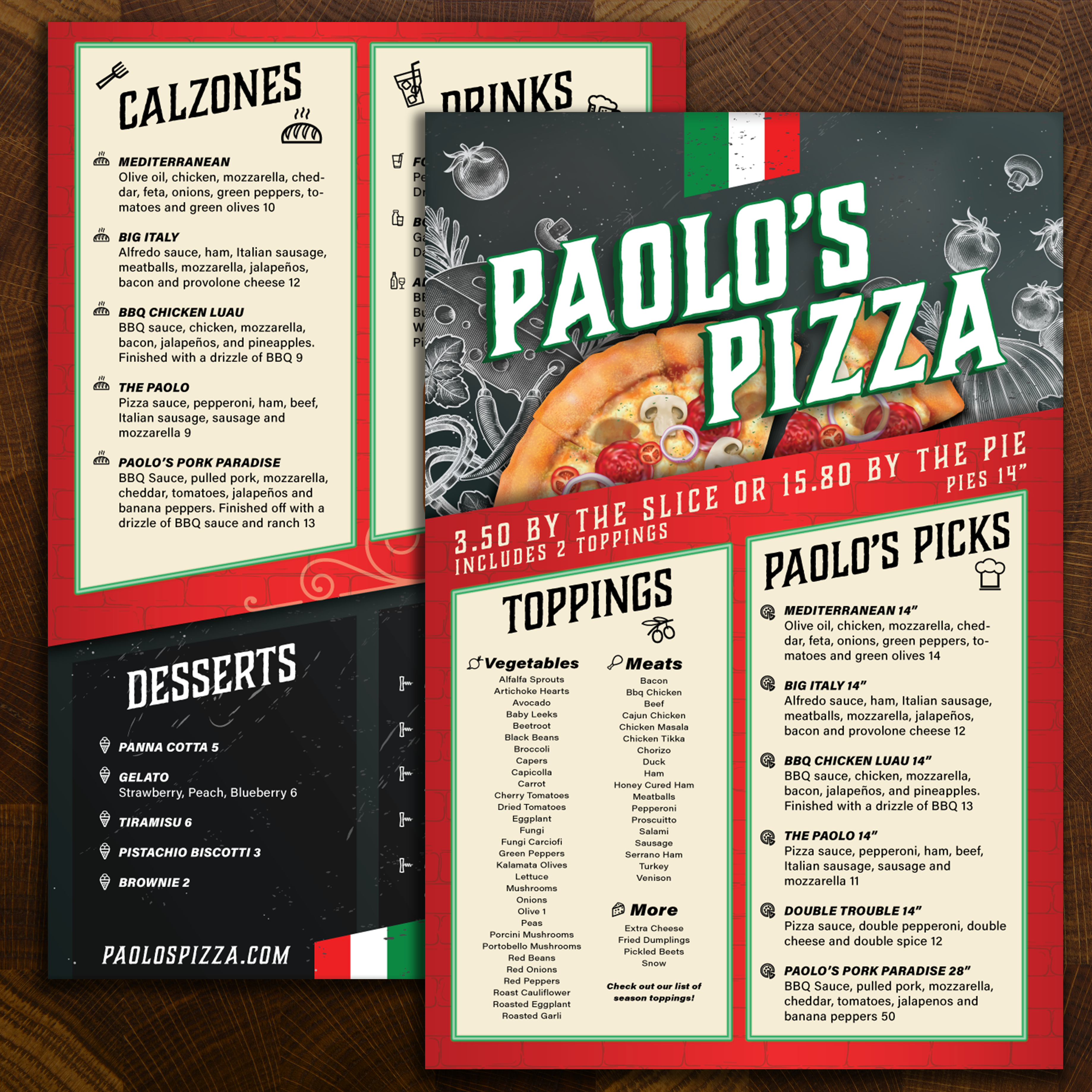
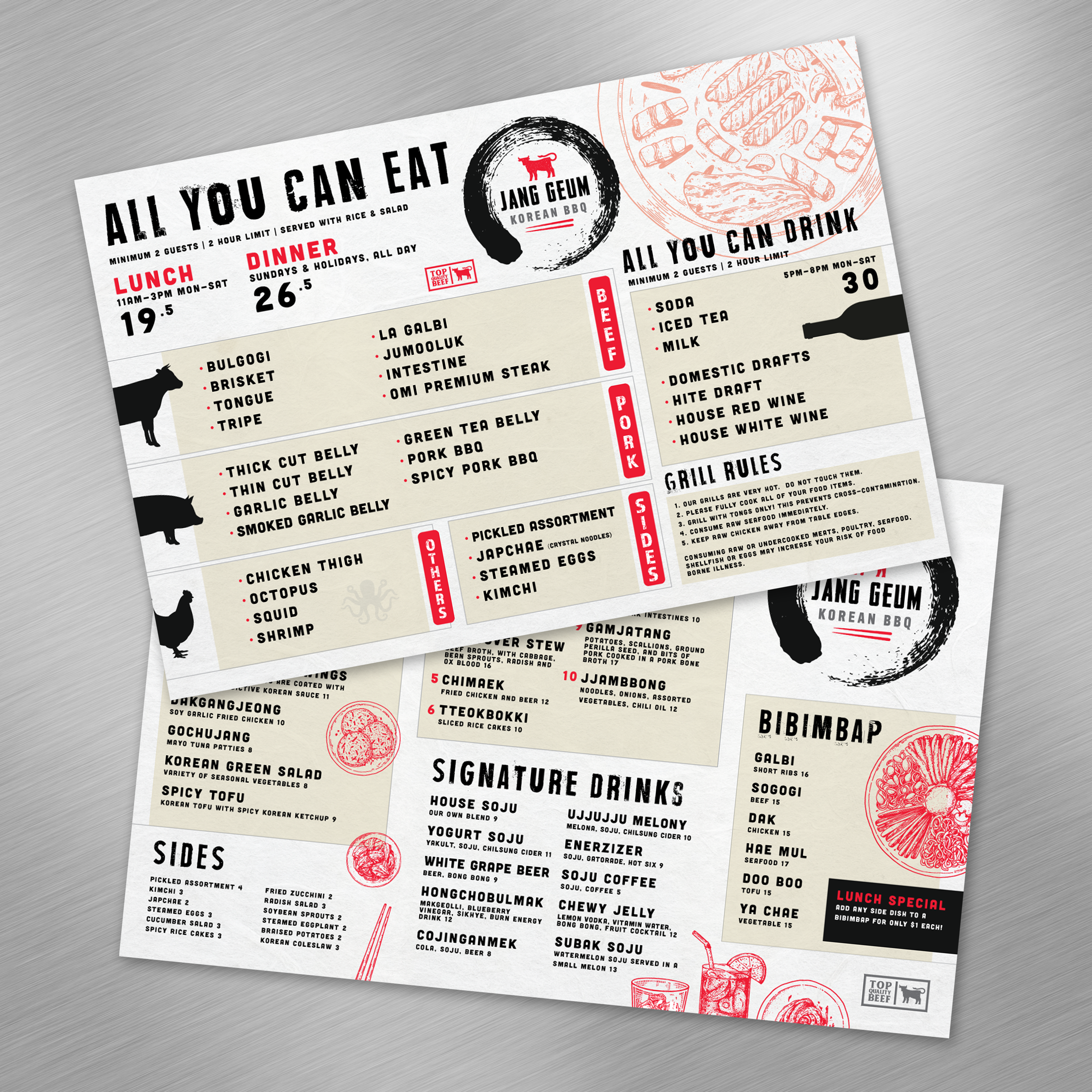
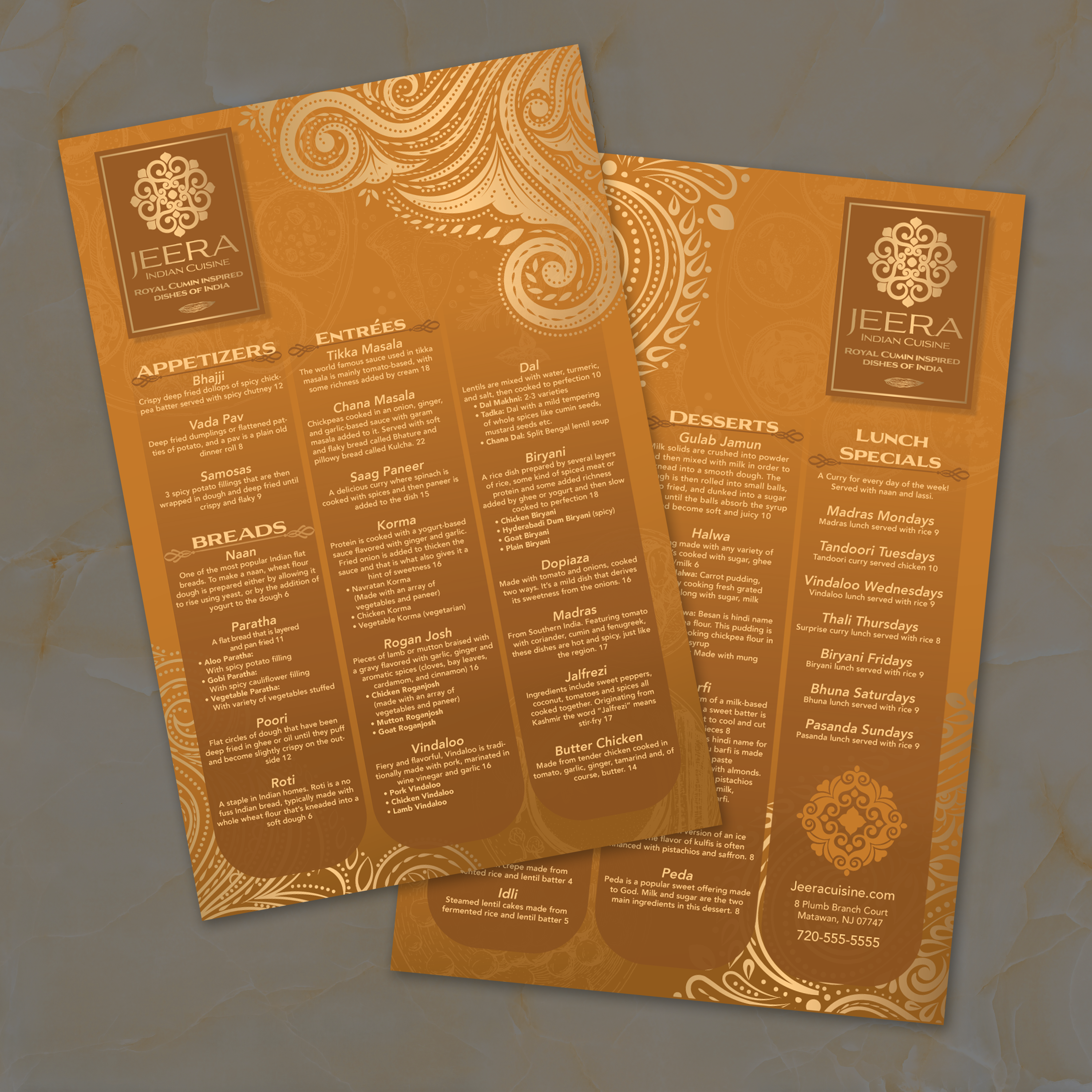
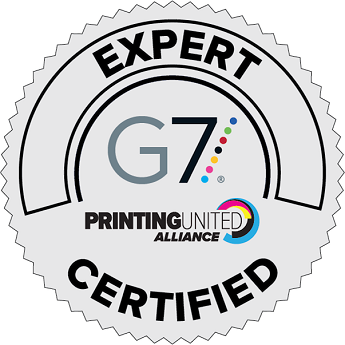
12" x 18" Flat Menu Templates

22 products

Showing 1 - 22 of 22 products

Showing 1 - 22 of 22 products
View

Recently viewed

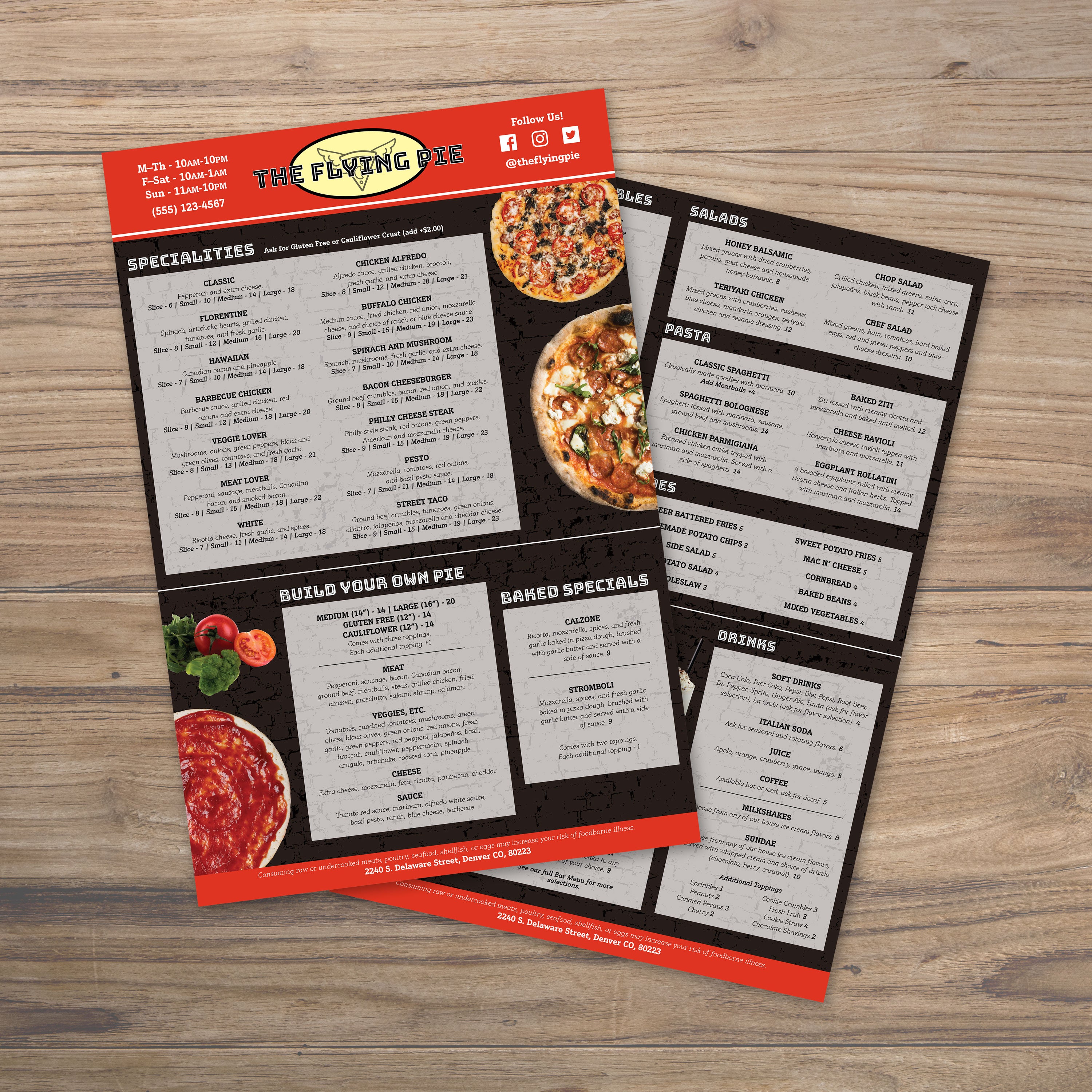
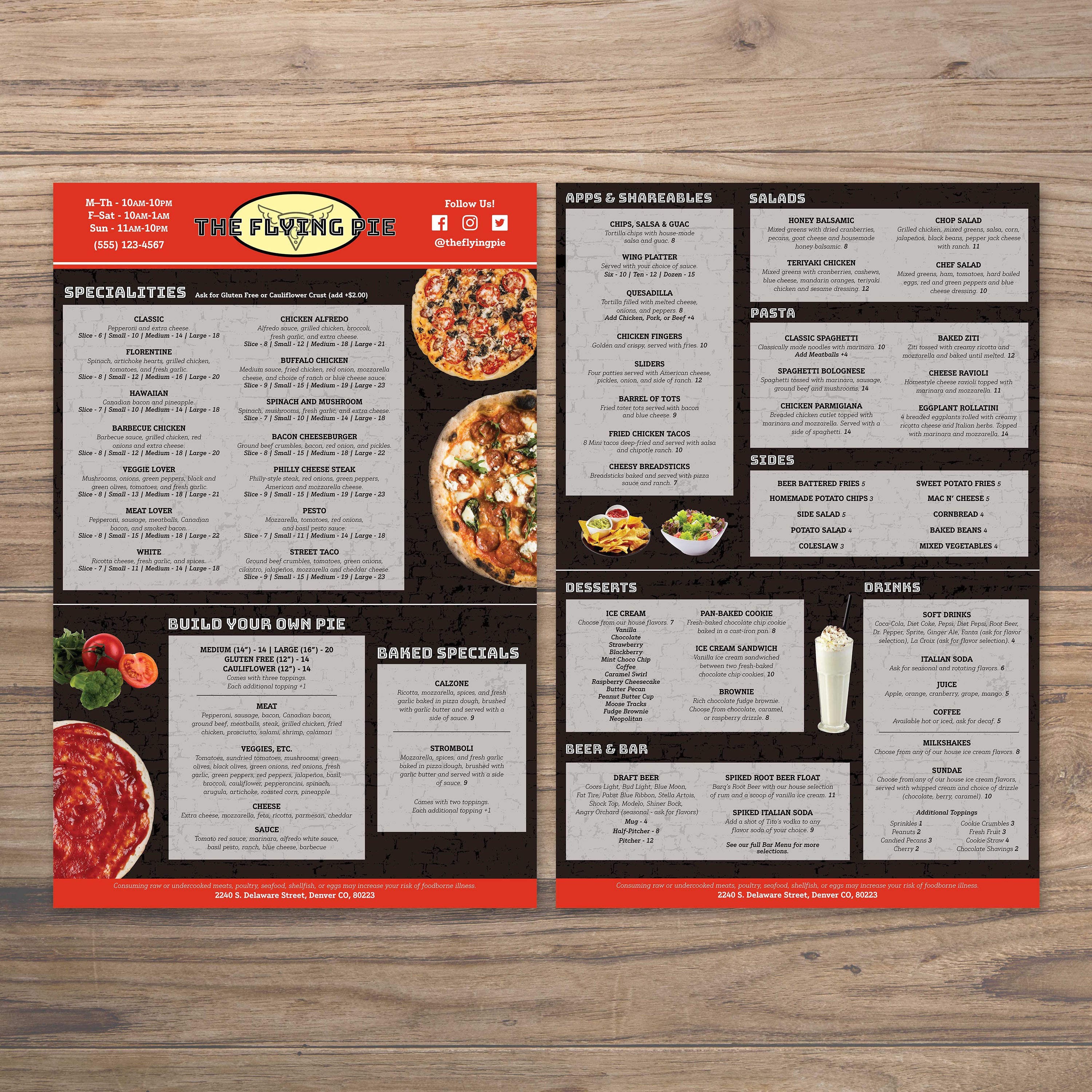
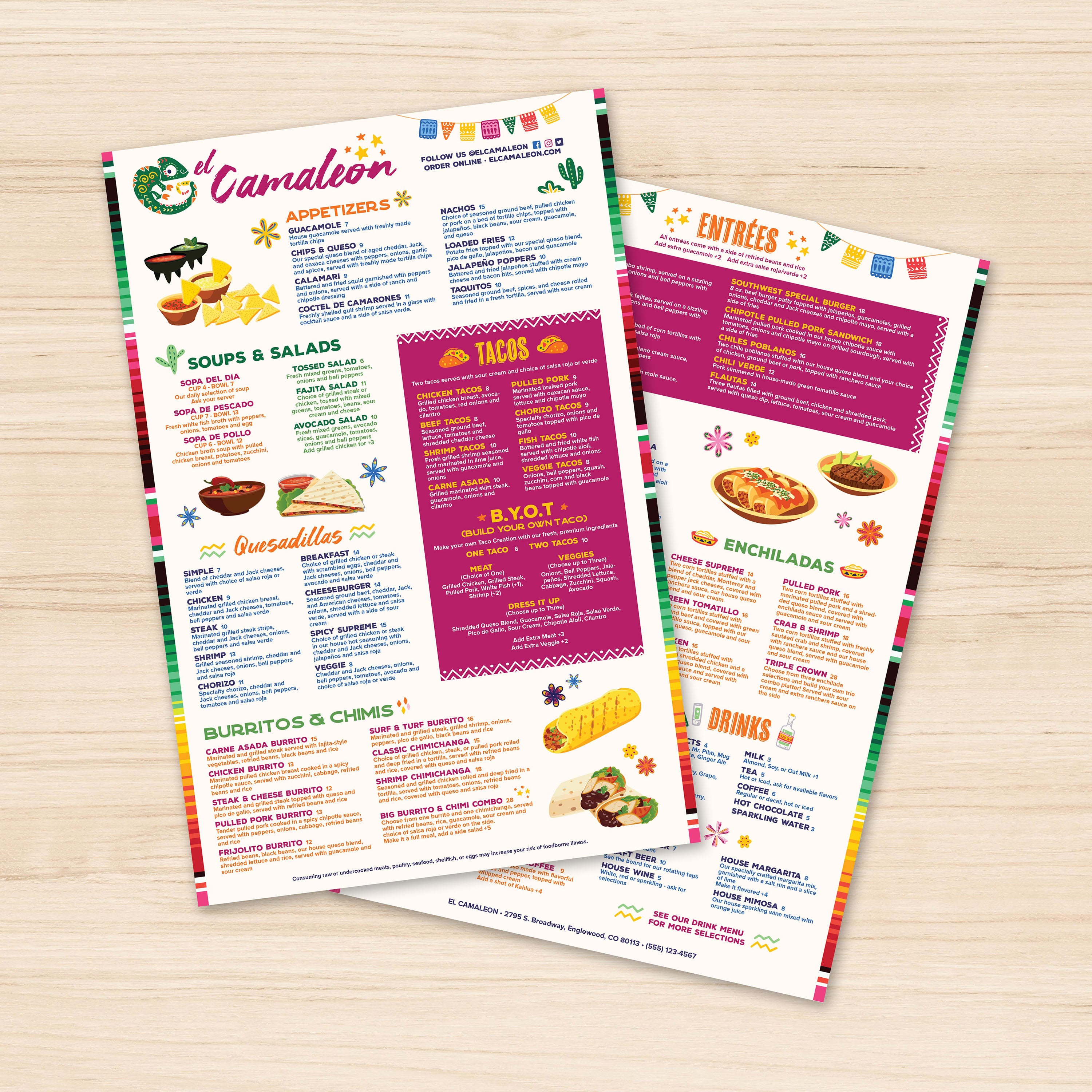
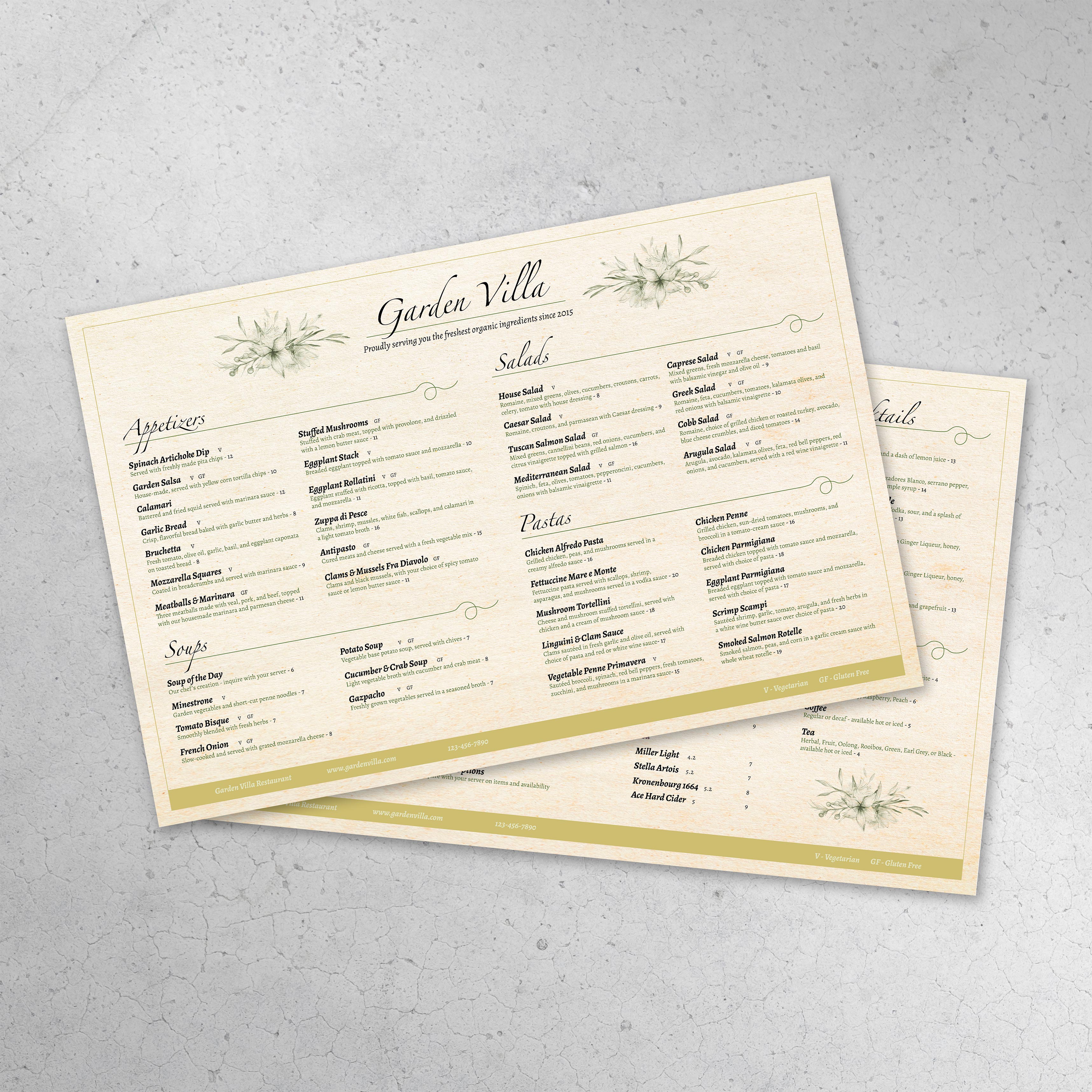
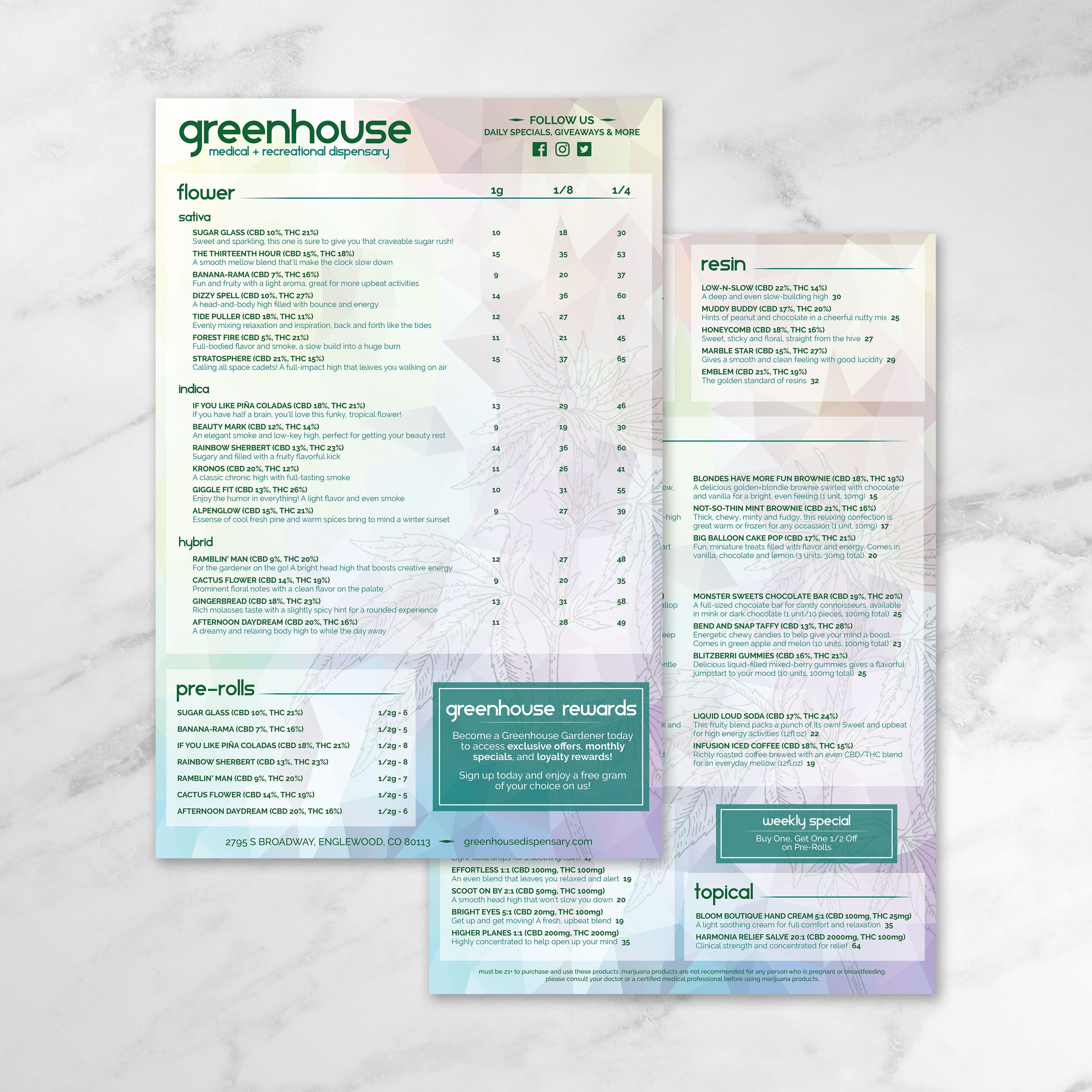
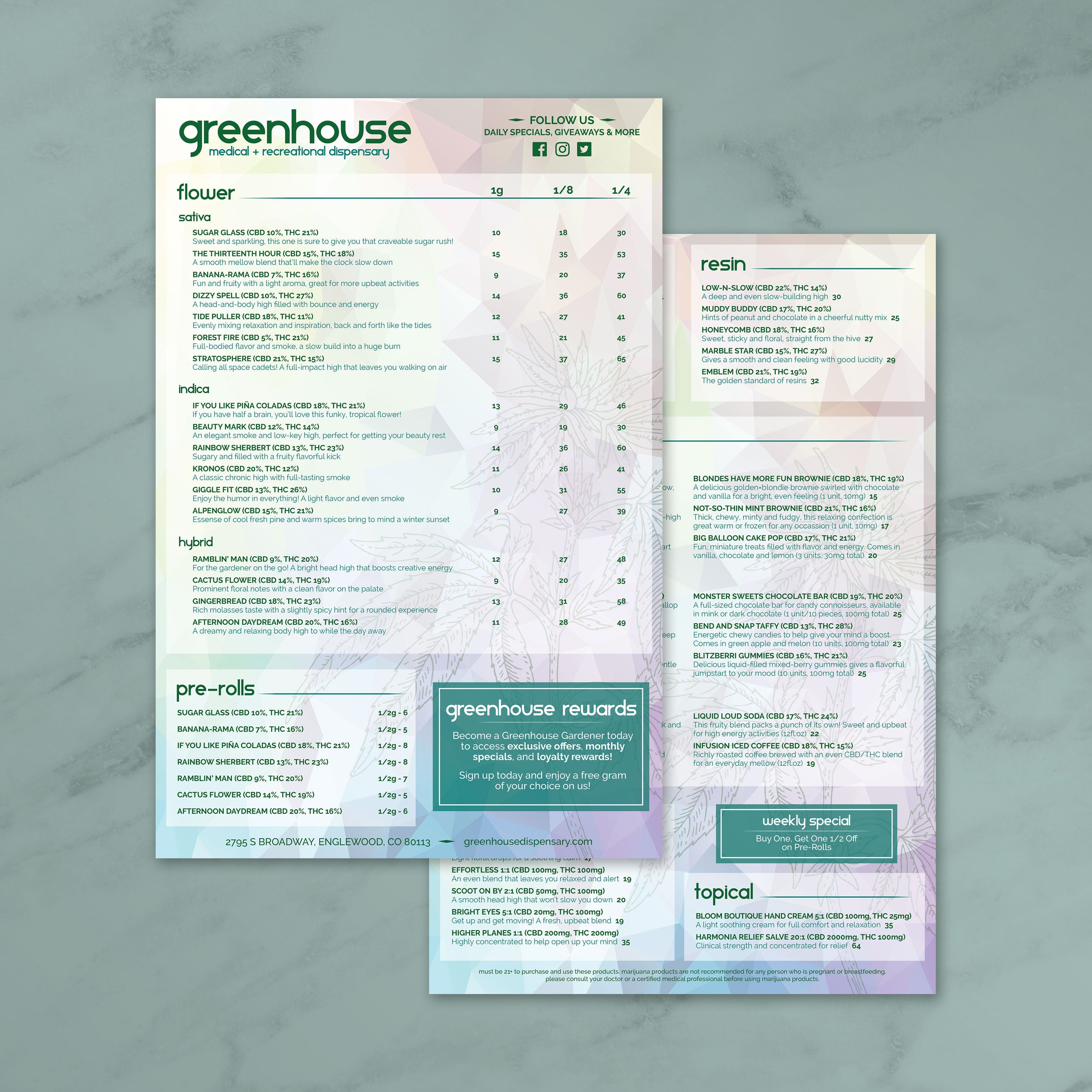
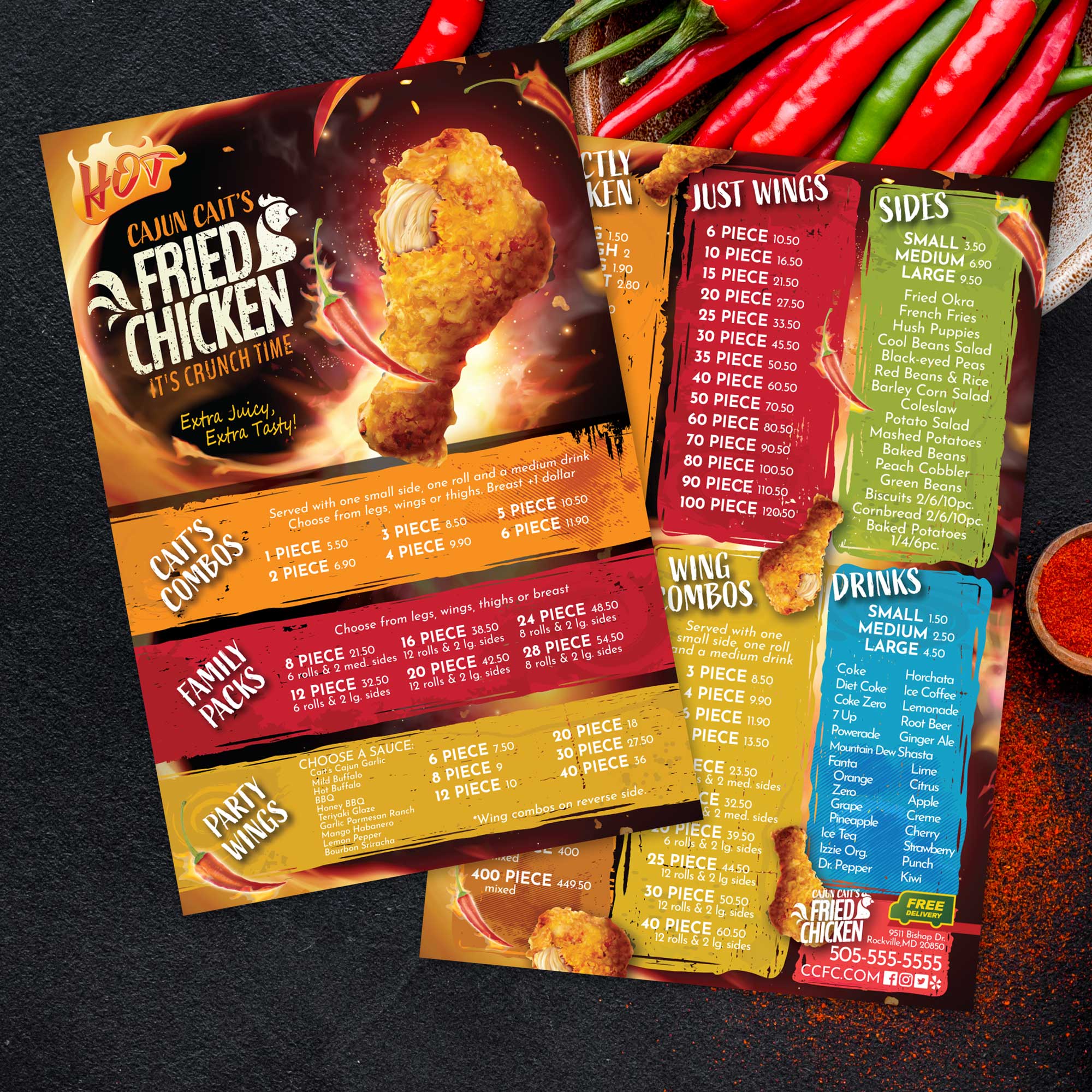
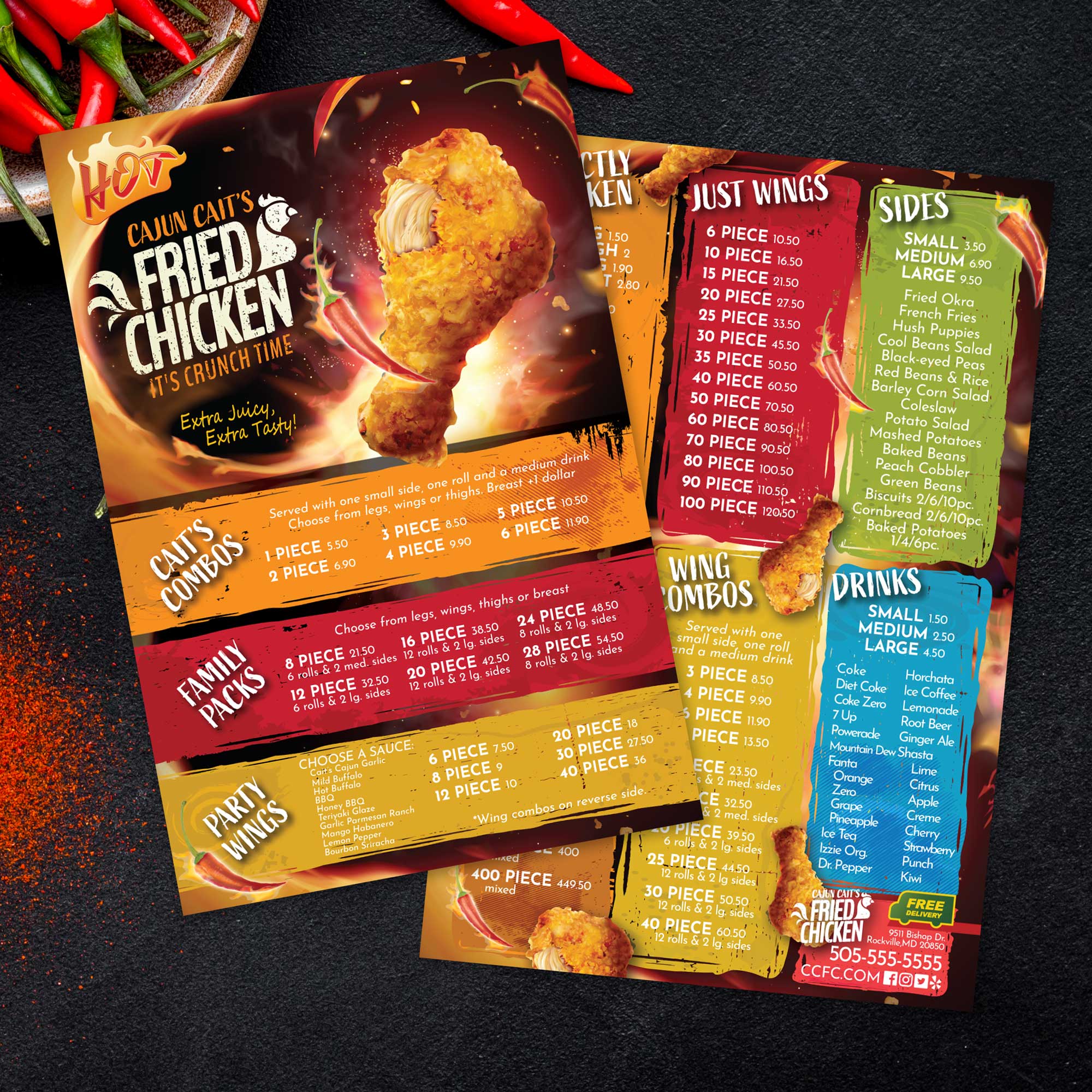
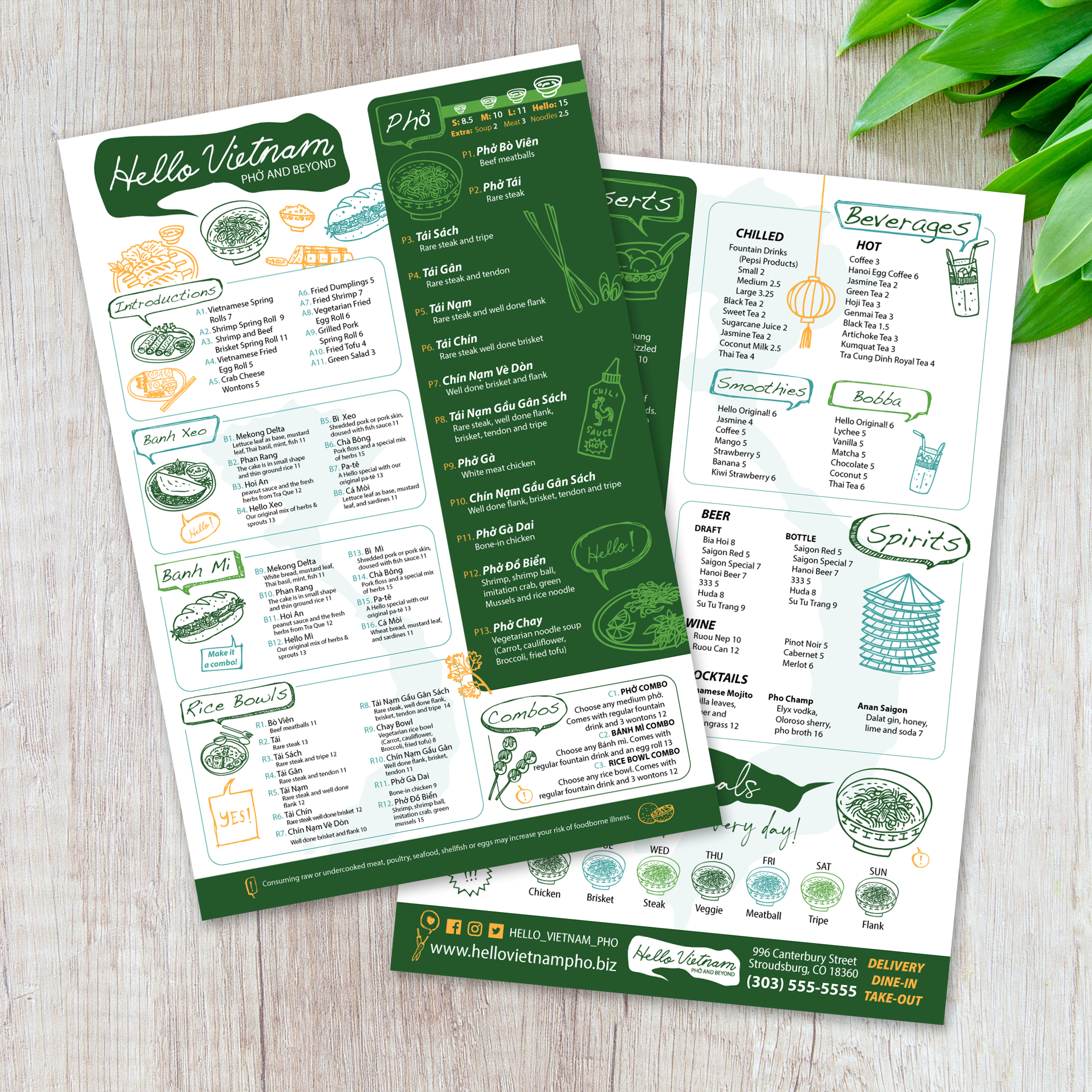
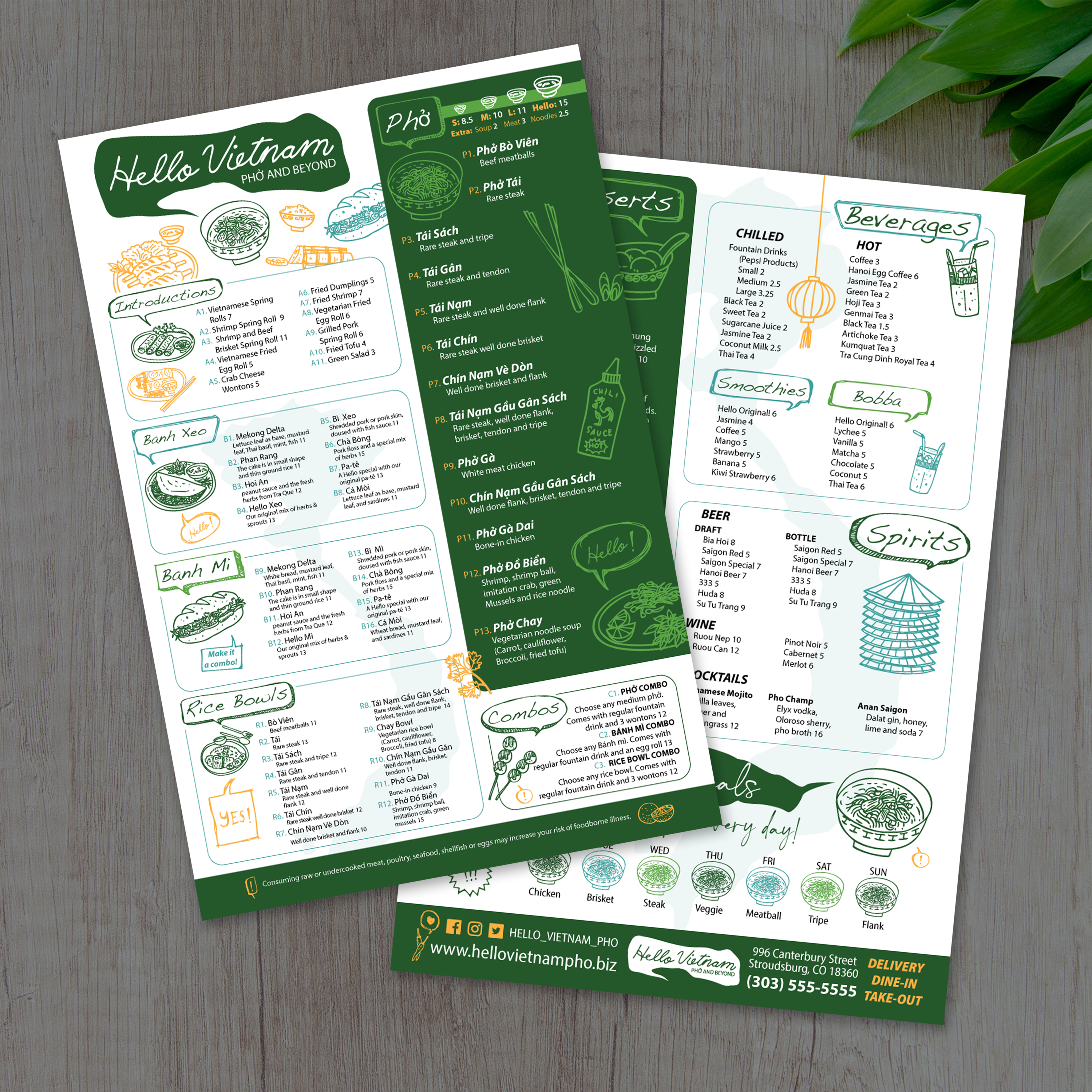
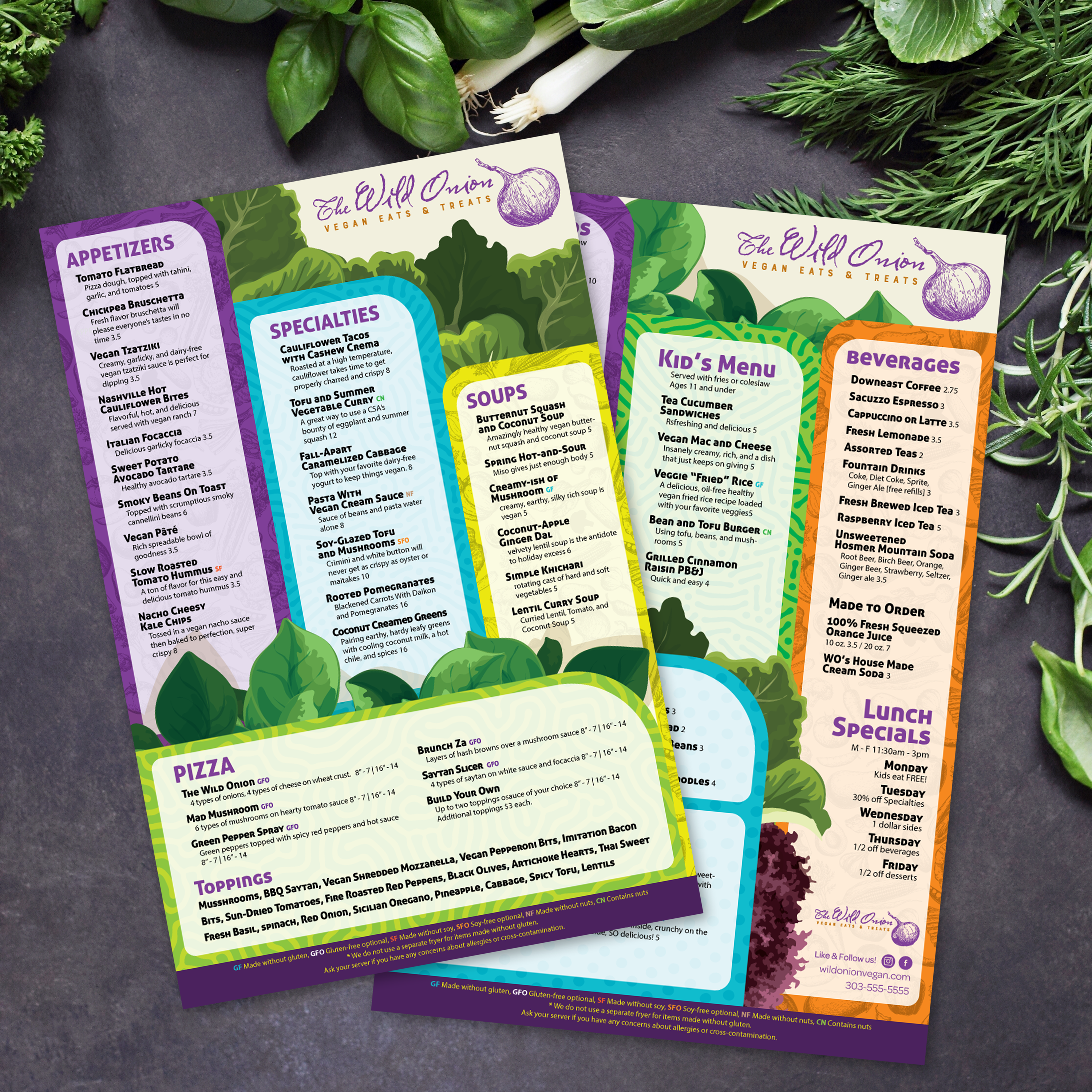
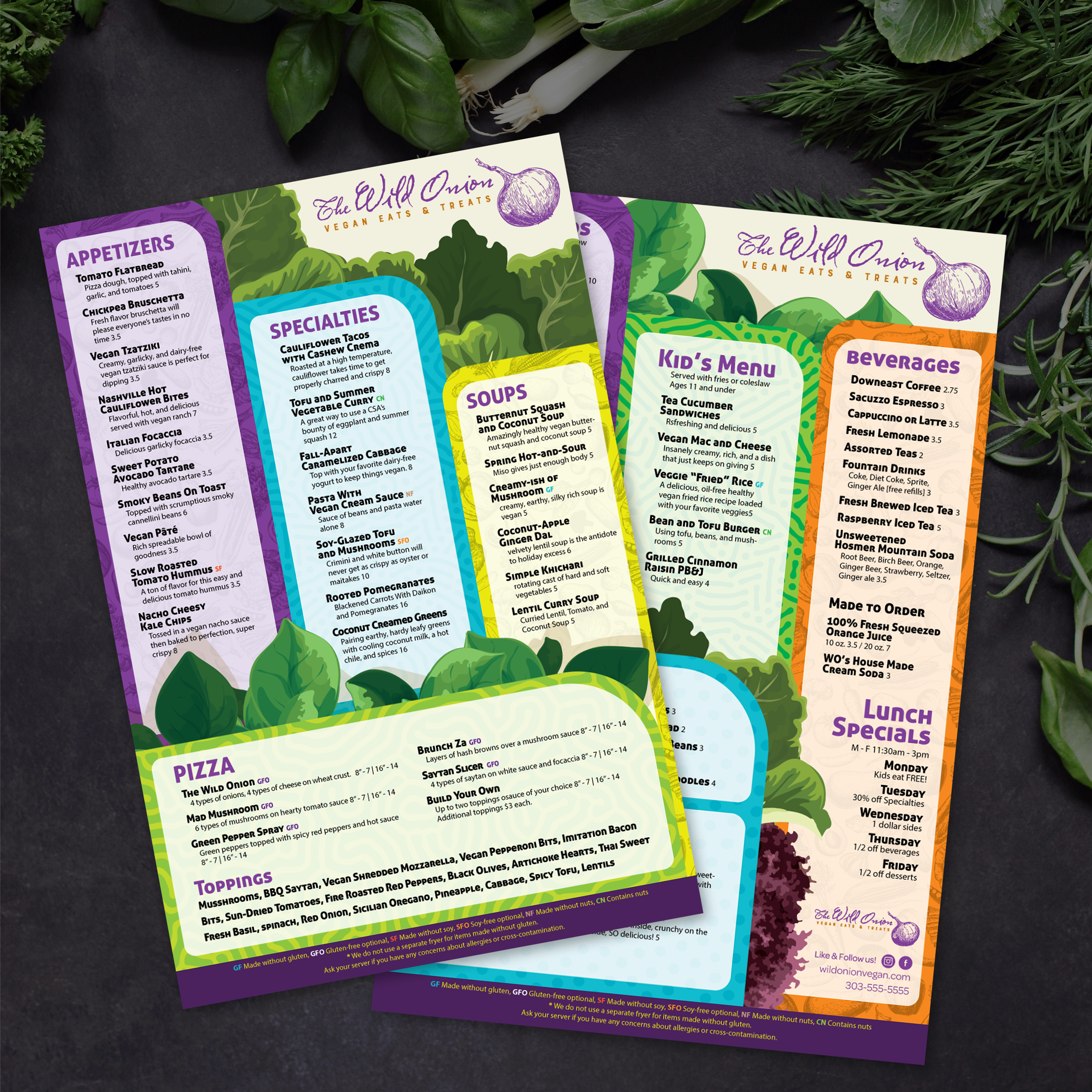
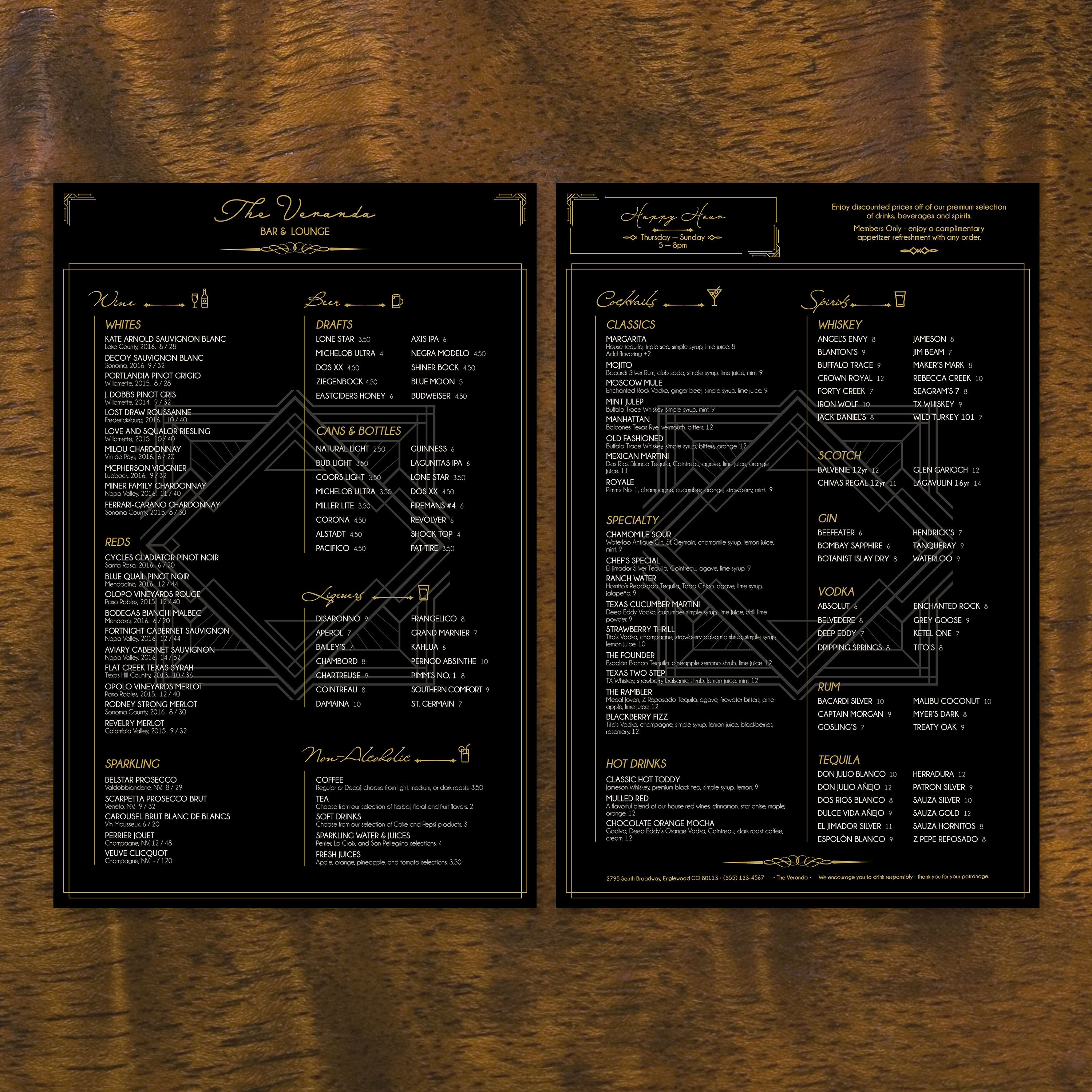
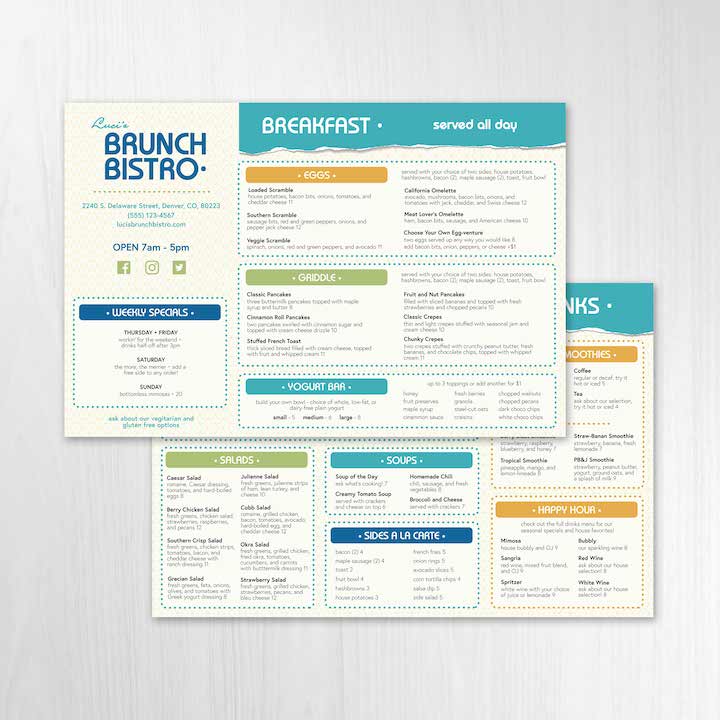
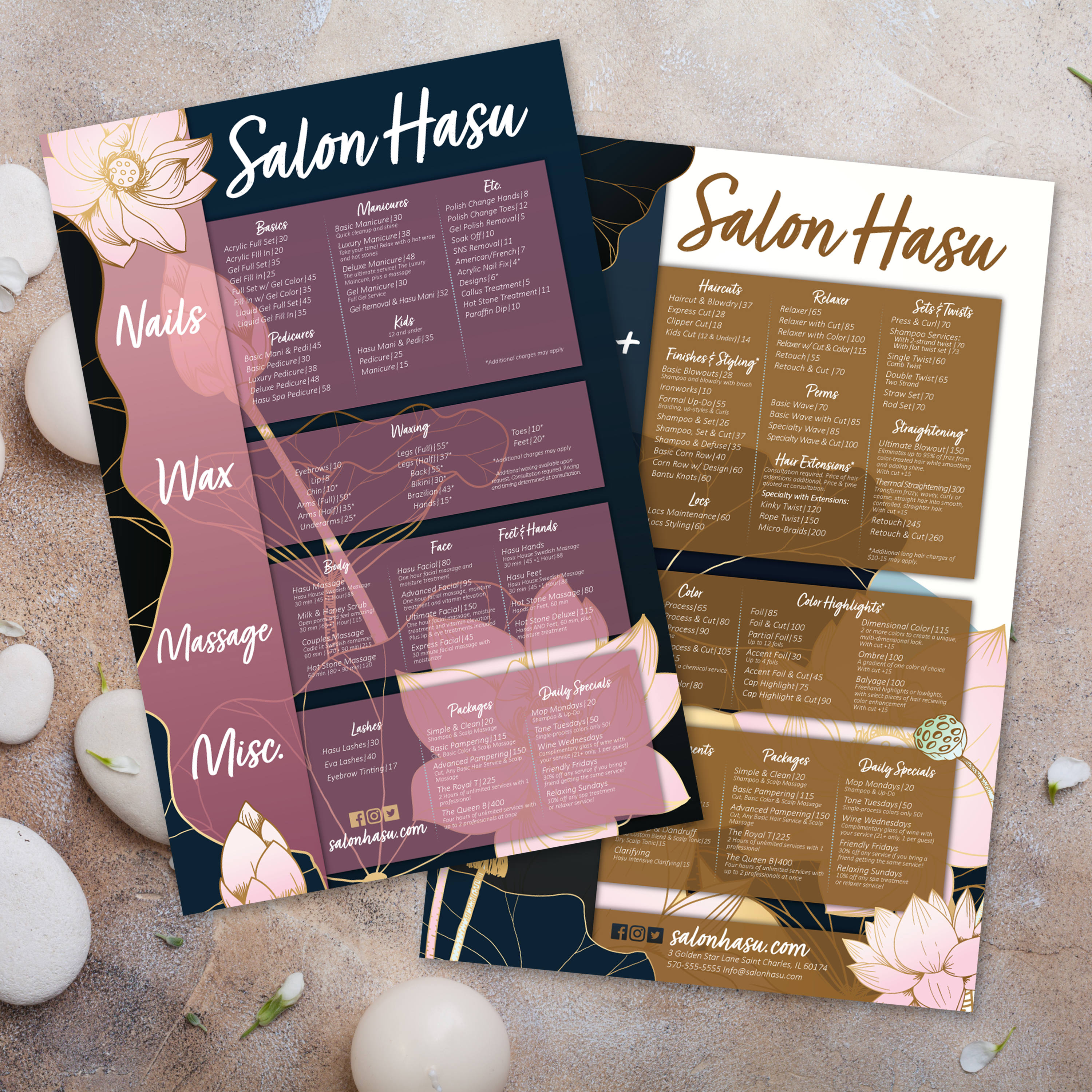
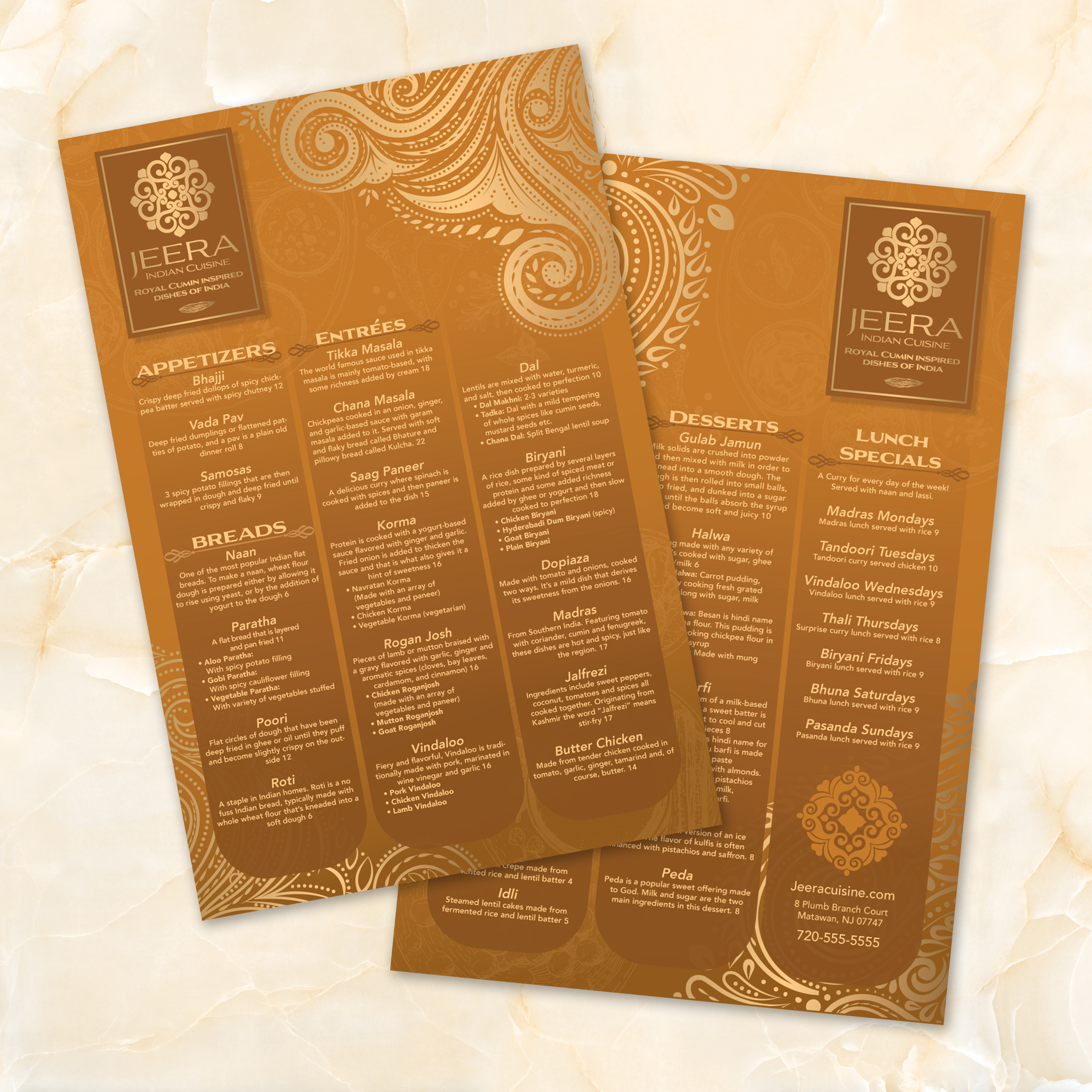
A 12’’ x 18’’ (305 mm x 457 mm) flat menu template provides large-format space to present more items clearly, enhance brand presentation, and facilitate fast decision-making in high-traffic environments. It works exceptionally well when you need durability, readability, and a format that performs under constant handling, frequent cleaning, and unpredictable conditions. For similar large-format layouts and format variations, we also provide free 11 x 17 menu templatesfree 12 x 18 bifold menu templates, and free 13 x 19 bifold menu templates to help you scale menu presentation across different sizes without having to rebuild the design system.

Built for Large-Format Visibility and Clear Readability

The 12’’ x 18’’ (305 mm x 457 mm) format provides a strong visual presence while remaining practical for everyday use. With a larger surface area, you can increase font size, improve spacing, and organize sections more clearly, allowing guests and staff to scan the menu quickly. This is especially helpful in busy environments where readability has a direct impact on speed, accuracy, and customer experience. The larger layout also supports better design balance, helping you avoid overcrowding and cramped typography.

More Space to Showcase Full Offerings and Brand Details

This size provides ample space to display full menus, beverage lists, specials, and service details, while keeping everything organized and easy to follow. You can also present brand elements more effectively, including logos, photography, and design accents that reinforce recognition and credibility. When your menu looks premium and intentional, it enhances guest perception and strengthens brand recall, especially in venues where presentation is as important as the product.

Ideal for High-Handling Environments Across Multiple Industries

High-traffic businesses and institutions require menus that can withstand frequent use. Restaurants, hotels, pro sports hospitality suites, healthcare facilities, and government installations all deal with constant handling and changing conditions. In these environments, standard paper wears down quickly, while a larger, heavier-duty format supports reliable presentation day after day. A 12’’ x 18’’ layout also works well for quick reference, helping visitors find key information without having to flip through multiple pages.

Why Conventional Lamination Falls Short Over Time

Lamination is often viewed as a durability solution, but it can create long-term issues. With repeated cleaning, lamination can cloud up, edges can peel, and corners can curl, causing the menu to gradually look worn and unprofessional. Lamination also resists folding, which limits storage and layout flexibility. For organizations that require a menu that remains sharp and functional, lamination can become an ongoing maintenance and replacement issue rather than a lasting solution.

Military Grade Synthetic Paper Delivers Waterproof, Rip-Proof Durability

Synthetic paper, engineered from military-grade polymers, offers a stronger alternative. These sheets are waterproof and rip-proof, making them ideal for environments with frequent spills, moisture exposure, and heavy wear. They also resist staining and fading, helping menus maintain crisp text and vibrant color through repeated use. Cleaning stays simple with soap and water, supporting hygiene without degrading the menu’s structure or appearance. The long lifecycle reduces replacement frequency while maintaining consistent presentation.

Follow the steps below to transition from template selection to a print-ready file, ensuring you don't miss any key setup details.

  • Select the Right Template for Your Operation: Choose a 12’’ x 18’’ layout that matches your brand and menu density, and confirm it supports folds, such as bi-fold, tri-fold, or gate-fold, if needed.
  • Download the Editable File: Download the format that suits your software, such as Adobe Illustrator, InDesign, or a PDF editor, and ensure the bleed and sizing are maintained for accurate printing.
  • Customize with Your Content and Branding: Add menu items, pricing, logos, and design elements, then use clean spacing and high-contrast text for easy readability.
  • Save and Prepare for Print: Export a print-ready file and match your printer to the thickness, as 14 Mil often performs best on commercial-quality laser printers or presses.
  • Print or Submit for Production: Print in-house or send to a synthetic printing partner, and skip lamination entirely to avoid clouding while keeping menus easy to clean with soap and water.

Once these steps are complete, your menu is ready for long-term use in high-turnover settings, outdoor dining, and demanding environments where durability and clarity are essential.

If you need menus or printed programs that fold cleanly, stay readable, and withstand constant handling, this section explains how TerraSlate supports bi-folds, tri-folds, and gate folds without the drawbacks of traditional lamination.

Why Folded Formats Add Flexibility Without Compromise

For organizations that require true versatility in printed materials, adaptability is essential. Bi-folds, tri-folds, and gate folds expand both creative and functional possibilities for menus, informational guides, and event programs. Traditional laminated menus can’t match this flexibility because lamination can cloud up, and its rigid seal makes folding difficult, often causing cracking or premature wear. Synthetic waterproof menu paper sets a higher standard by supporting crisp, professional folds while keeping materials durable and easy to handle.

Where Foldable Menus Make the Biggest Difference

Folded menus excel particularly in high-traffic restaurants, healthcare facilities, and military command centers where durability and clarity are essential every day. Each fold turns one printed sheet into a compact, organized tool that communicates more information in less space, making it ideal for multi-course menus, detailed guides, and complex service listings. With substrates engineered from military-grade polymers, water, grease, and food spills become non-issues, and repeated folding and unfolding won’t compromise the structure or print quality.

How Bi-Folds, Tri-Folds, and Gate Folds Improve Layout Flow

Folded formats help readers navigate content more efficiently because they create clear panels and natural section breaks. A bi-fold offers a clean front-to-back layout for shorter menus or simple programs. A tri-fold adds more structure for categories, pricing blocks, and quick reference sections. Gate folds provide a premium presentation and work well when you want a visual reveal or a dedicated feature panel. Across all formats, folding lets you pack more information into a manageable size without cluttering the page.

Choosing the Right TerraSlate Thickness for Folded Menus

Thickness is a key factor in fold performance and print setup. 14 Mil synthetic paper is often the best fit for menus that get intensive daily use, especially when printed on commercial presses. Lighter options, such as 5 Mil, 8 Mil, or 10 Mil, can often be run on standard laser printers, providing smaller operations with more flexibility. No matter which thickness you choose, TerraSlate avoids the peeling, bubbling, and fogging common with laminated menus, keeping folds cleaner and panels aligned through constant use.

Easy Cleaning and Hygiene Support for Daily Service

Cleaning fits easily into daily routines because a quick wash with simple soap and water restores a like-new appearance. For environments with strict sanitation requirements, antimicrobial coatings provide an additional layer of protection while maintaining the material's flexibility and durability. This combination supports foodservice, healthcare, and biotech settings where menus must stay clean, professional, and ready for frequent handling.

Long Lifecycle Menus That Support Sustainability Goals

Foldable synthetic menus support sustainability by reducing the need for reprints and replacements. Since waterproof sheets can be used repeatedly without degrading, businesses cut waste while maintaining a polished presentation over time. With recyclable materials engineered for performance and adaptability, TerraSlate gives organizations the Flexibility to meet operational demands across dining, labs, government spaces, and professional sports venues.

If you’re choosing between TerraSlate and value-oriented PolySlate for a 12’’ x 18’’ menu, the right pick depends on how demanding your environment is, how often you update content, and how long you expect each menu to stay in service.

Why Material Choice Matters for 12’’ x 18’’ Menu Performance

For businesses and organizations that demand dependable durability and versatility, selecting the right synthetic paper is a practical decision that directly affects daily operations. A 12 x 18 flat menu format is designed for high-impact presentation, but it also needs to perform under constant handling, frequent cleaning, and unpredictable conditions. Both flagship TerraSlate and value-oriented PolySlate deliver strong waterproof benefits; however, the differences in lifespan, rigidity, and print setup become important when scaling across multiple locations or replacing menus frequently.

Flagship TerraSlate for Maximum Durability and Long Service Life

Flagship TerraSlate is engineered with military grade polymers for environments where menus must remain sharp and professional for years. It is 100% waterproof, rip-proof, allergen-free, and fade-resistant, supporting full-color printing that withstands repeated wipe-downs with simple soap and water. This makes it a strong fit for high-traffic restaurants, outdoor dining, event venues, educational institutions, government installations, and pro sports hospitality operations where presentation and reliability must stay consistent.

Printing and Thickness Considerations for 14 Mil TerraSlate

At 14 Mil thickness, TerraSlate delivers a near card-like rigidity that performs well in extreme-use environments. This upper GSM threshold is often best produced on commercial-grade laser presses, and some operators may need a specialized, high-quality printer to maintain clean color fidelity and alignment at scale. If your menus are exposed to daily wear, heavy outdoor conditions, or intense cleaning routines, the added thickness can reduce replacement frequency and protect your investment over time.

Value-Oriented PolySlate for Budget-Aligned Durability

Value-oriented PolySlate offers a strong balance of durability and cost-effectiveness while still meeting essential operational needs. It resists spills, supports folding for bi-fold, tri-fold, and gate fold formats, and remains a dependable choice for quick-turn restaurants, catering programs, and schools that need durability without premium-level thickness. It also works well when menus change often, such as seasonal offerings or rotating specials.

Easy Printing and Maintenance for PolySlate

PolySlate is designed to print easily on standard laser printers, making rollout and reprints simple for internal teams. Maintenance remains straightforward with gentle cleaning using a damp cloth or a light soapy rinse, supporting sanitation routines without clouding or peeling, unlike lamination. For most everyday environments, it delivers months or even years of service depending on use frequency and handling conditions.

A 12 x 18 waterproof menu provides large-format space and long-term durability for environments where paper wears out, and lamination can cloud up.

  • Hospitality and High-Traffic Foodservice: Ideal for cafés, restaurants, steakhouses, and food courts that require clear layouts, strong visuals, and menus that withstand daily use.
  • Waterproof Durability Without Clouding: Synthetic menus remain rip-proof, fade-resistant, and readable through spills and repeated soap and water wipe-downs, unlike laminated finishes that can degrade over time.
  • Healthcare and Biotech Settings: Supports sanitation routines with non-porous materials that clean easily, while maintaining menus that are sharp and professional in sterile environments.
  • Education and Government Operations: Ideal for mass catering and events where menus must withstand tearing, sunlight exposure, and frequent cleaning while maintaining consistent presentation.
  • Pro Sports Venues and Rugged Worksites: Built for heavy handling and fast-paced service, with military grade polymers and multiple thickness options for long-life performance.
  • Retail and Grocery Displays: Ideal for customer-facing signage and back-of-house guides, these displays reduce reprints and waste while remaining easy to store and update.

Across every use case, these waterproof menus deliver clear communication, durable performance, and a cleaner long-term solution than traditional paper or lamination.
If your menu needs to stay sharp despite constant handling and frequent cleaning, it's helpful to understand why lamination fails and how TerraSlate provides a longer-lasting, clearer alternative.
Why Menus Must Stay Professional in High-Visibility Settings

A menu is a front-line touchpoint that shapes guest expectations the moment it’s picked up. In restaurants, hospitality, retail, healthcare, and government environments, printed materials must stay clean, readable, and polished through daily use. When a menu appears worn or unclear, it signals poor upkeep and can subtly erode confidence in the overall experience.

How Lamination Clouds Up and Weakens Print Clarity

Cloudiness is one of the most common issues with laminated menus. Over time, spills, frequent flexing, and temperature fluctuations can cause the lamination to cloud up, making text more challenging to read and colors less vibrant. This haze doesn’t just affect appearance. It slows decision-making, reduces visual impact, and makes even well-designed menus look outdated and tired.

Why Lamination Peels, Bubbles, and Creates Hygiene Concerns

Laminated menus also tend to break down at the edges due to repeated sanitizing. Peeling, bubbling, and edge separation make menus look unkempt and can create crevices that trap residue. For businesses that depend on strong hygiene practices, this becomes a costly problem, often forcing early replacement to avoid presentation issues and unnecessary risk.

How TerraSlate Eliminates Clouding and Improves Durability

TerraSlate synthetic waterproof menus engineered with military grade polymers eliminate clouding while keeping text crisp and visuals clear. The material is waterproof and rip-resistant, holding up to heavy handling and repeated wipe-downs without losing clarity. It also avoids the plasticky feel familiar with lamination, helping menus maintain a more premium look and feel over time.

Folding and Cleaning Without Lamination Limitations

Unlike laminated menus that resist folding and can crack, TerraSlate supports bi-folds, tri-folds, and gate folds for storage and layout flexibility. Cleaning stays simple because soap and water are recommended, and the menu remains visually intact shift after shift. For businesses that rely on presentations, TerraSlate delivers durable performance, clearer printing, and a longer lifecycle, eliminating the ongoing maintenance issues associated with lamination.