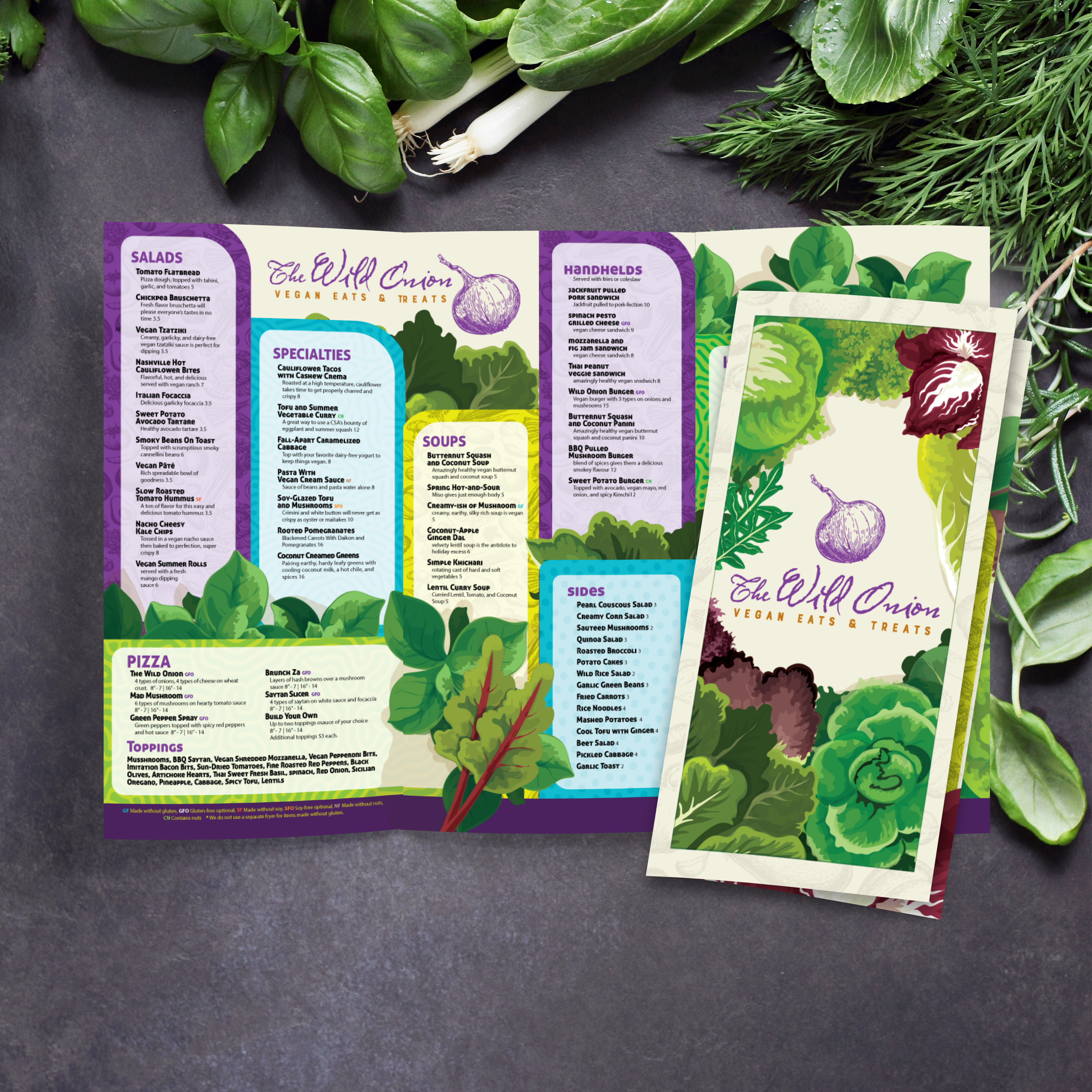
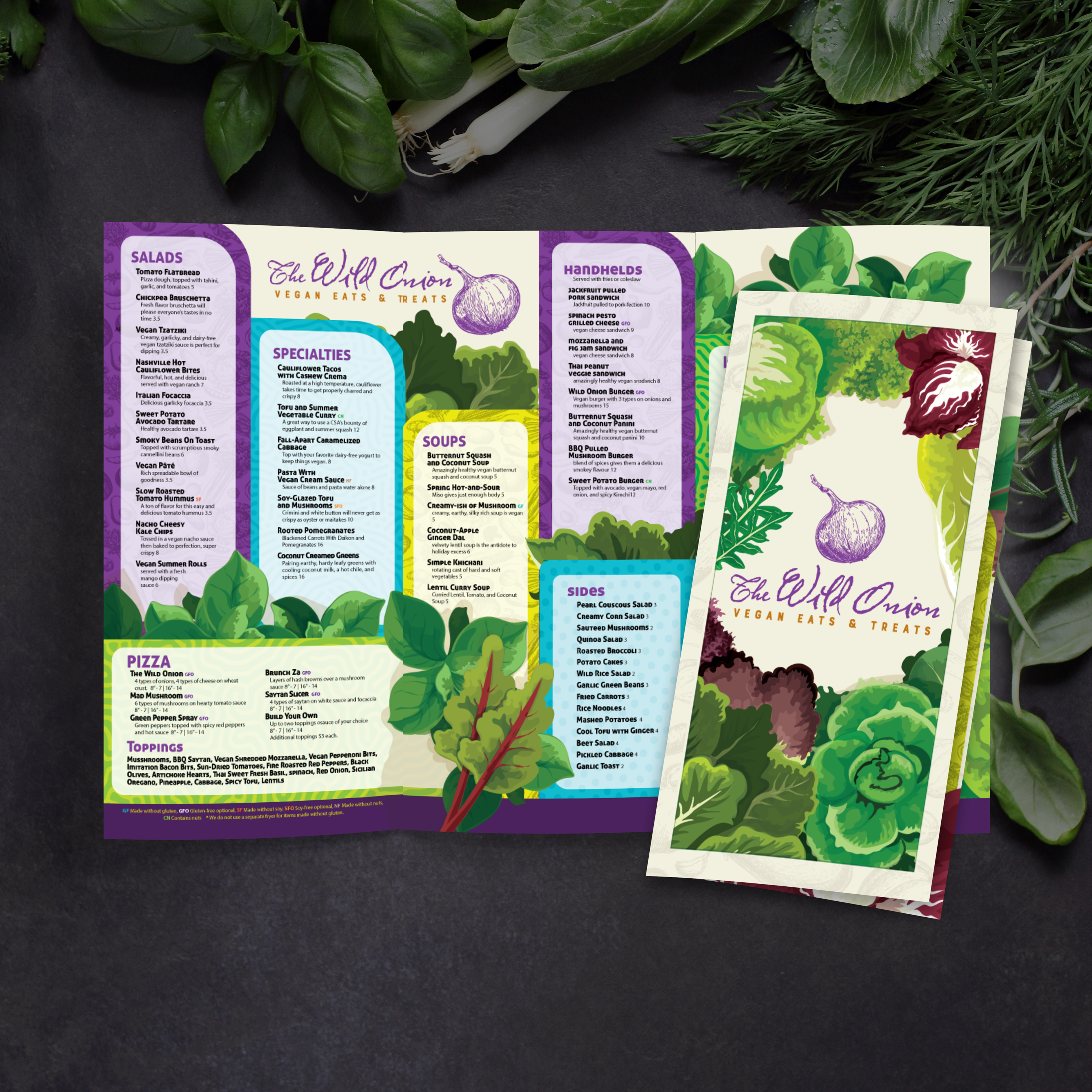
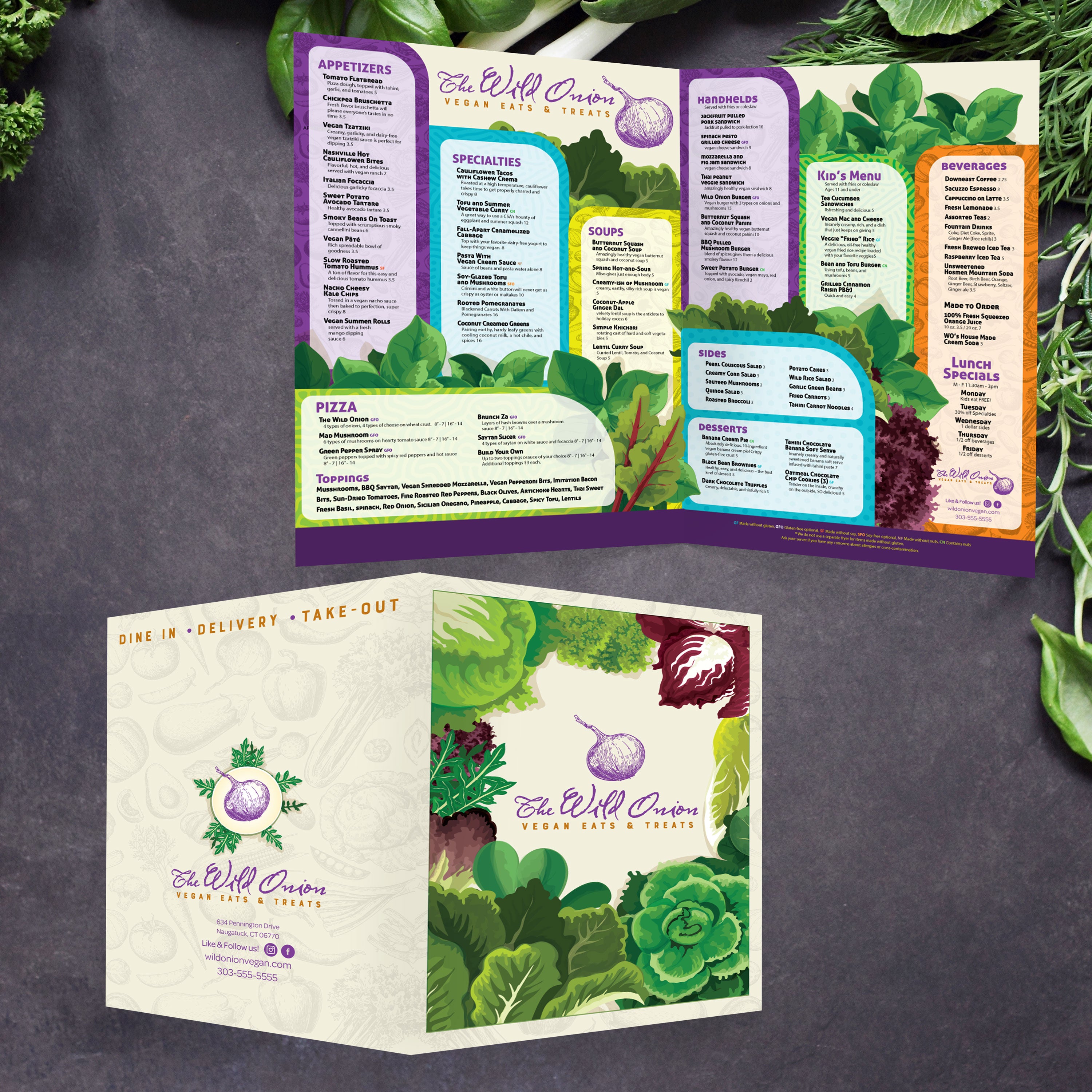
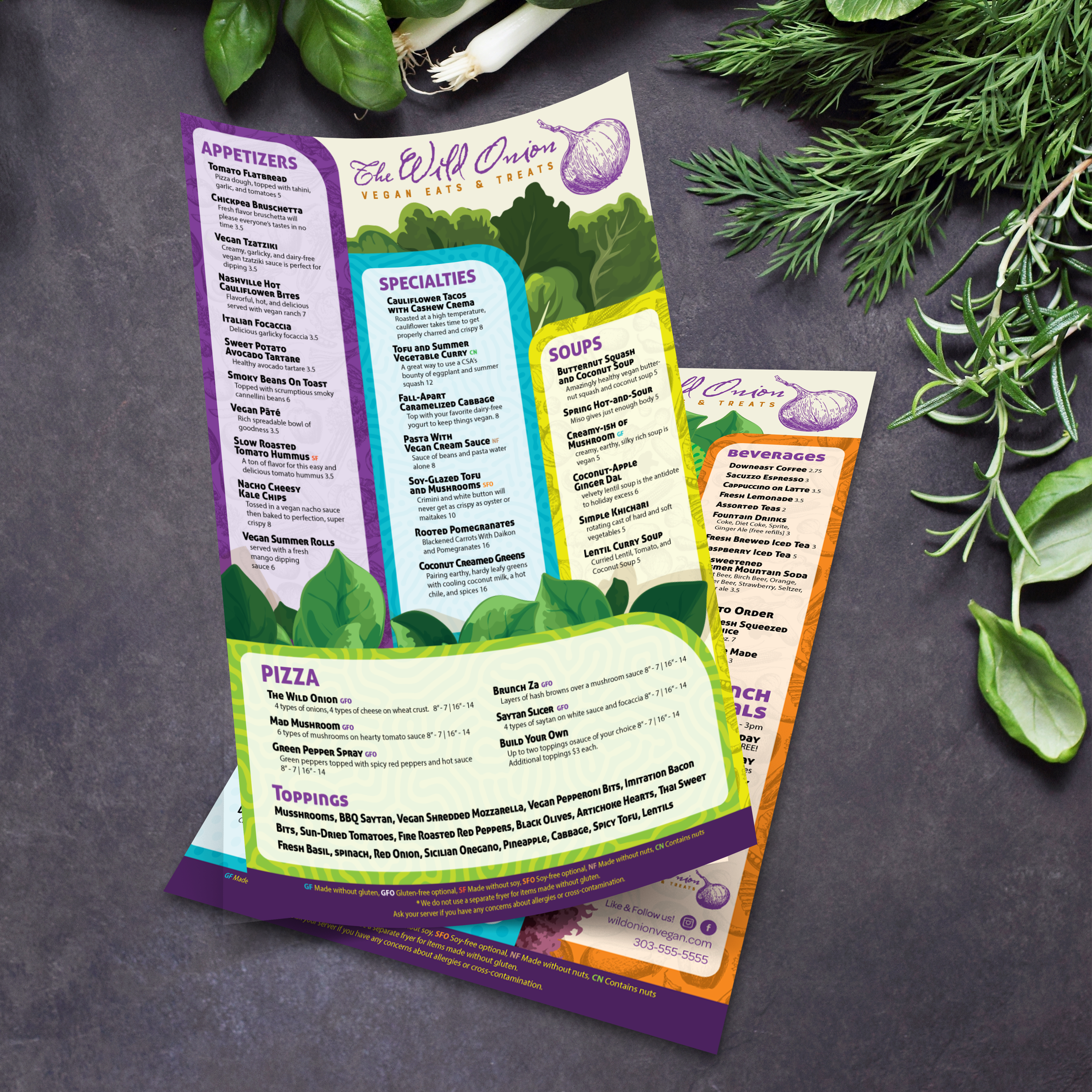
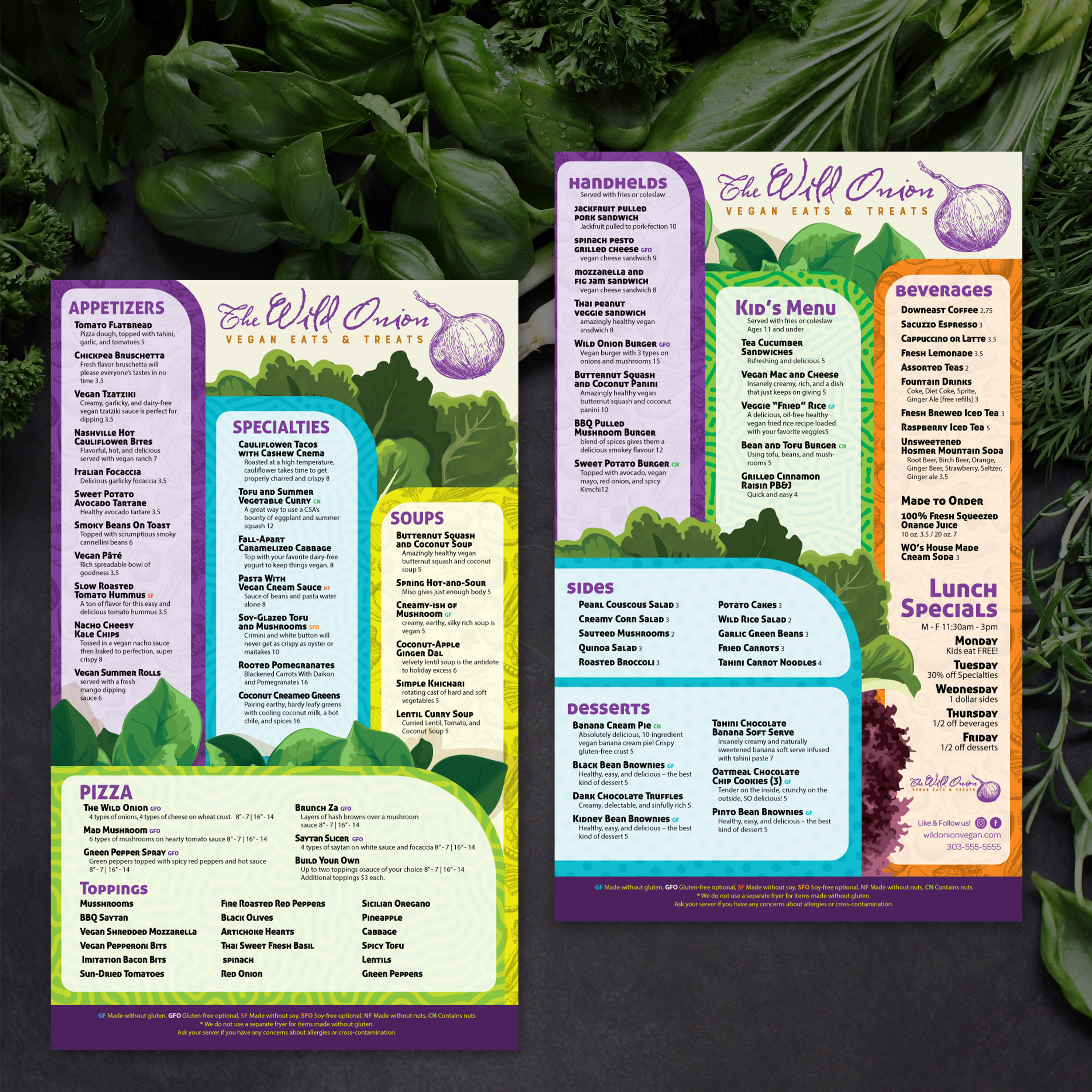
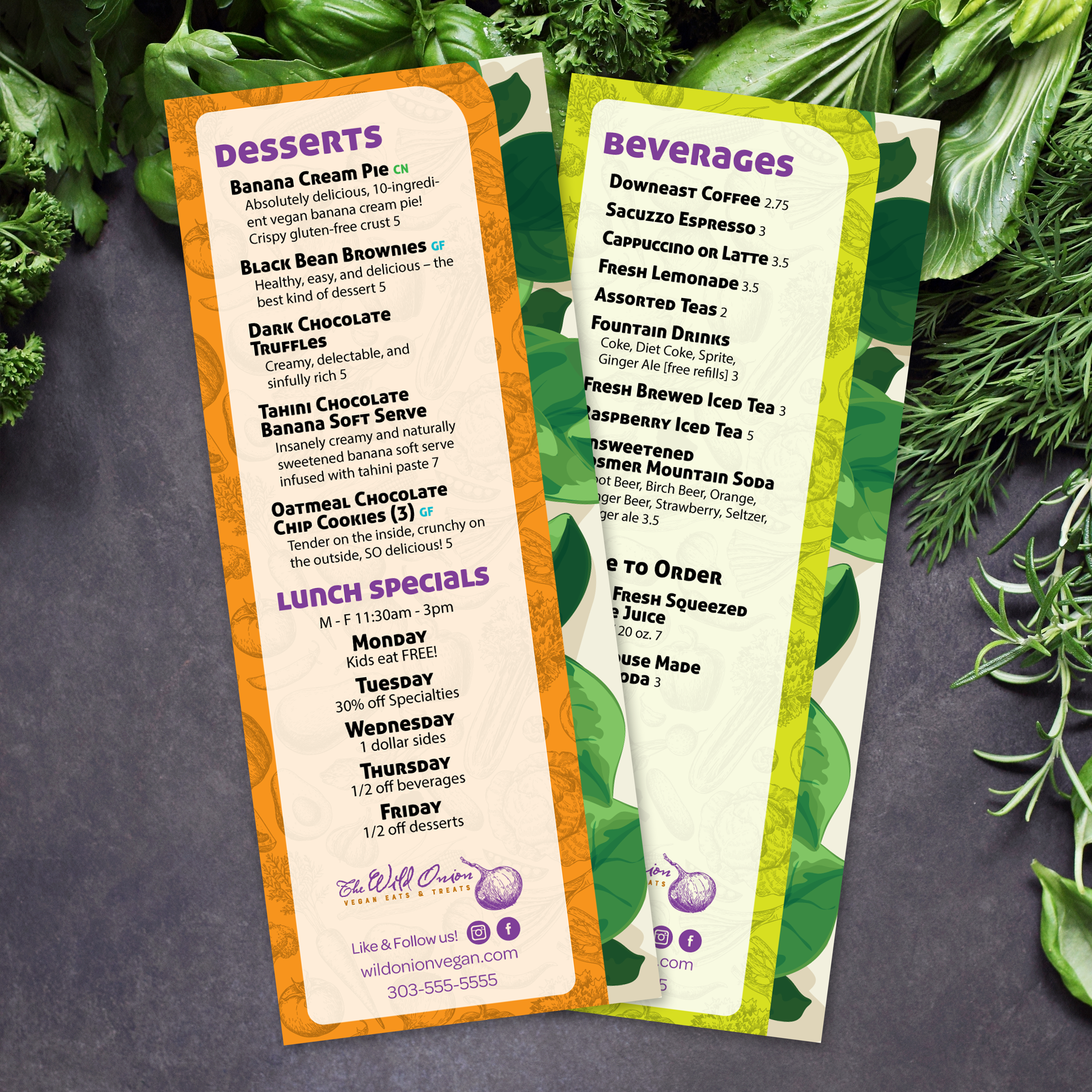
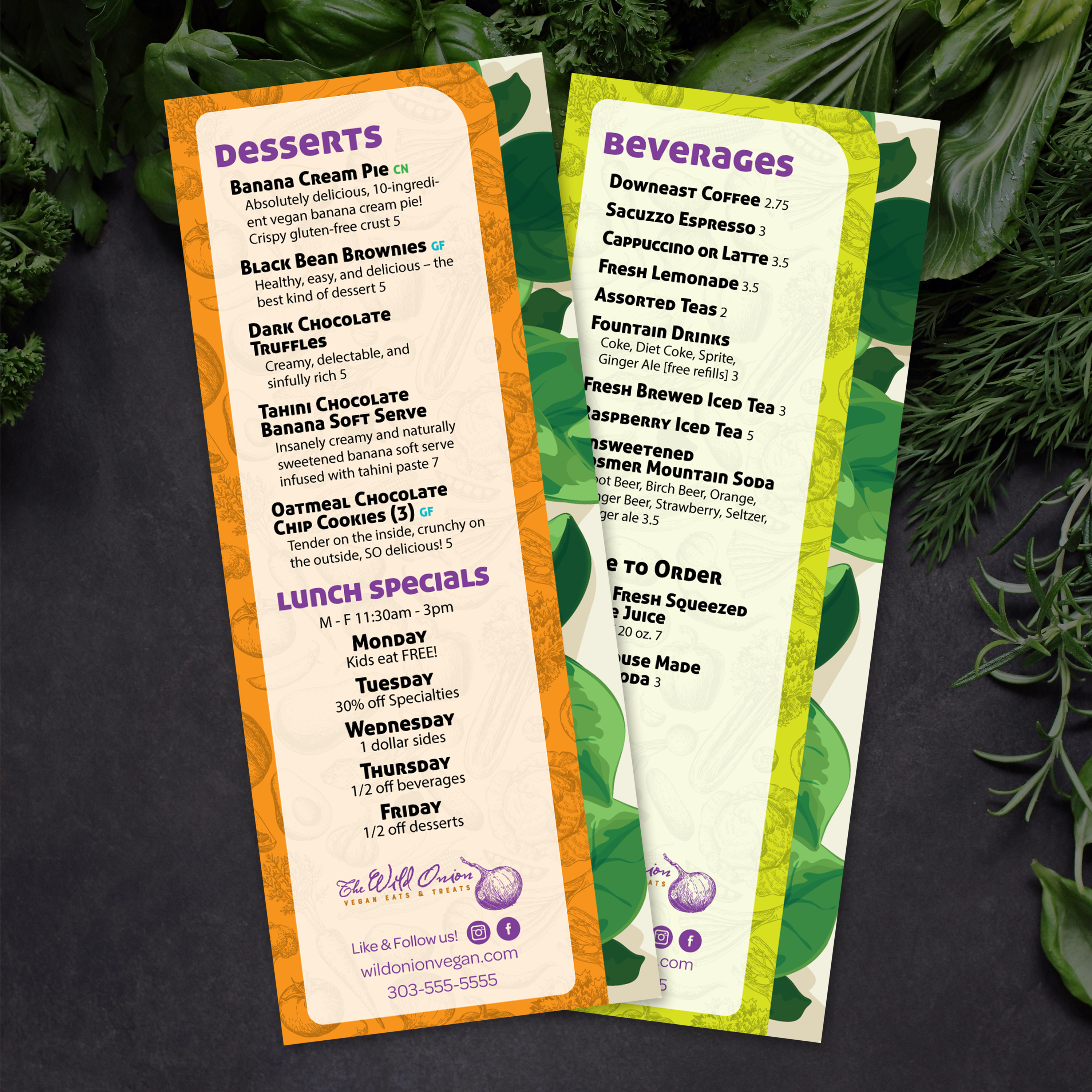
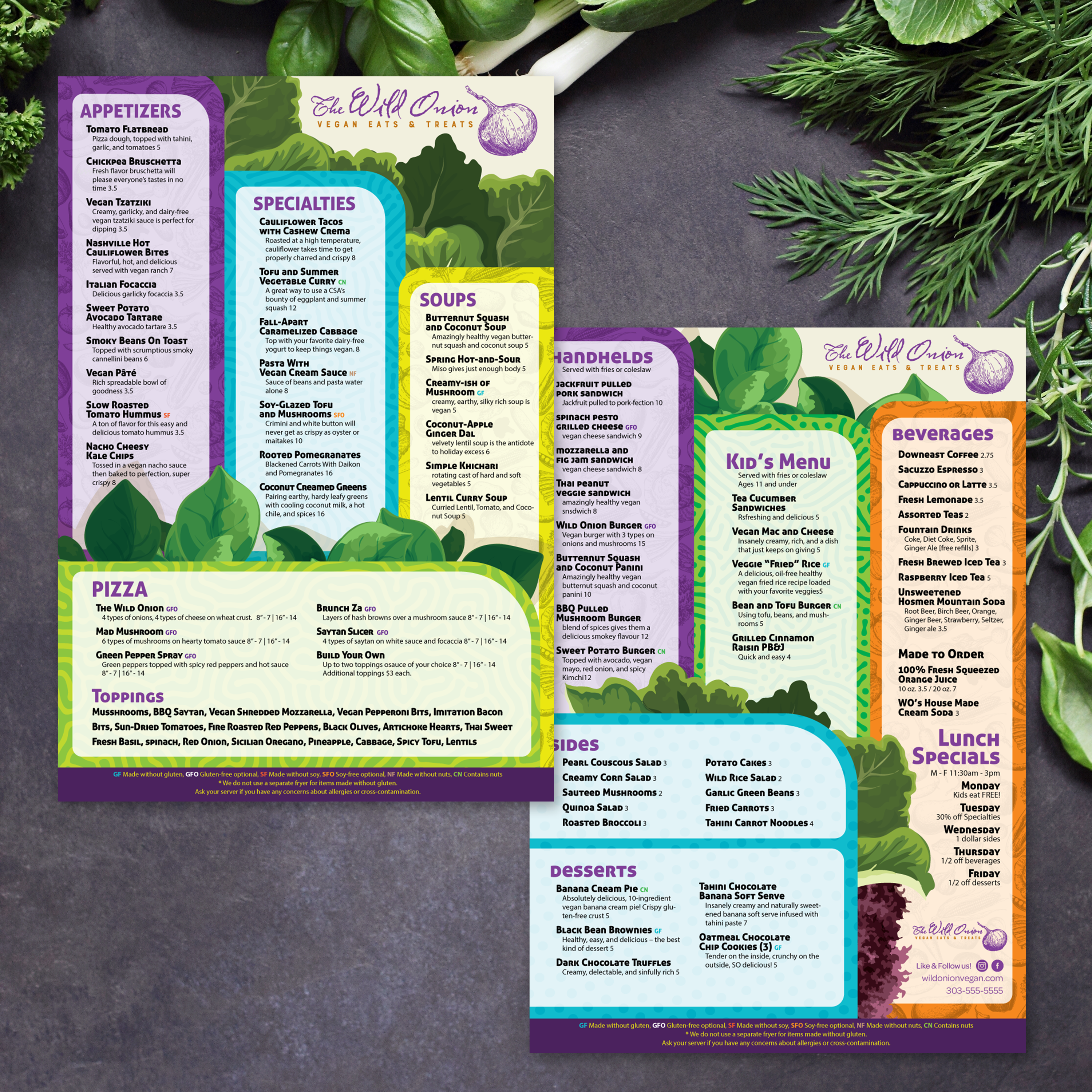
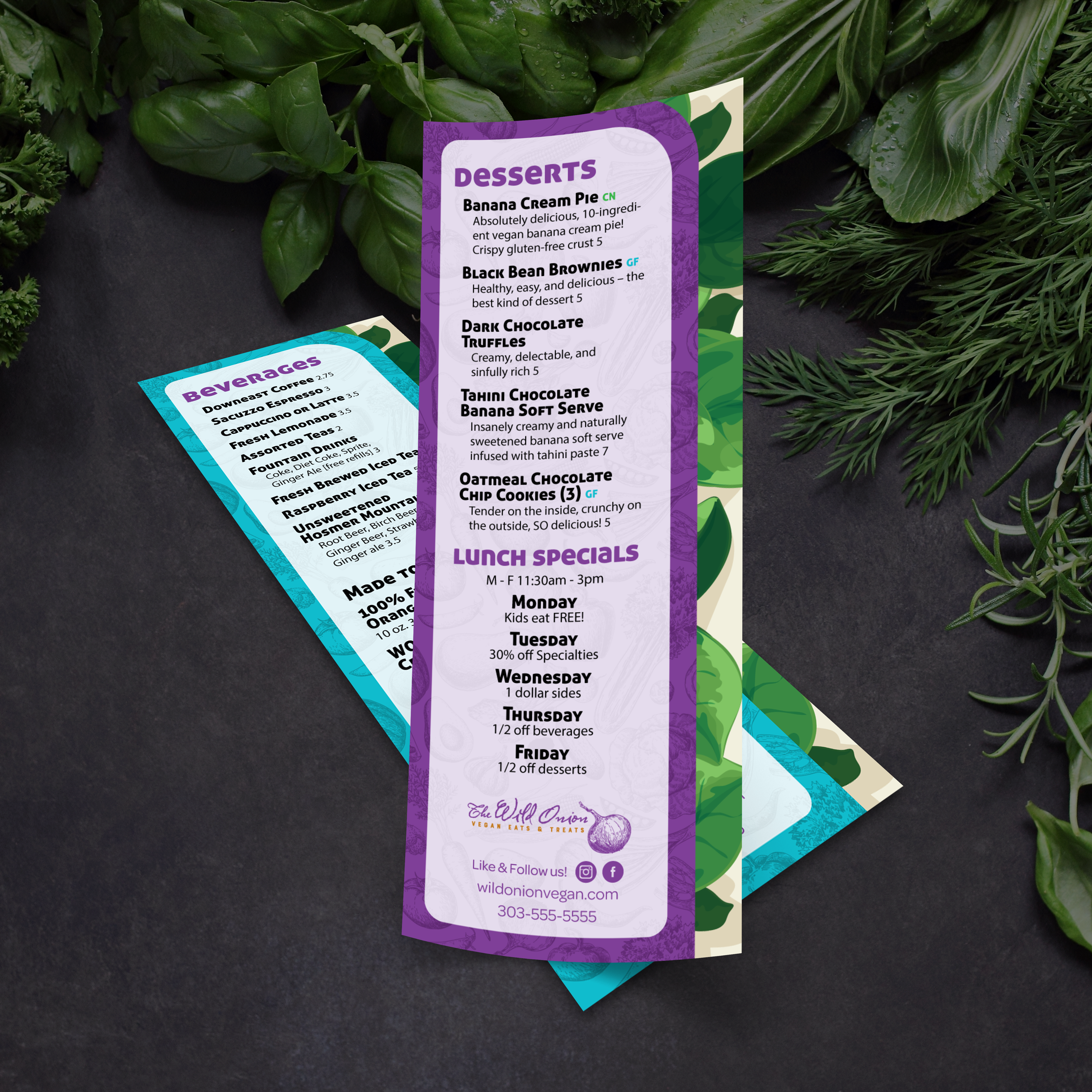
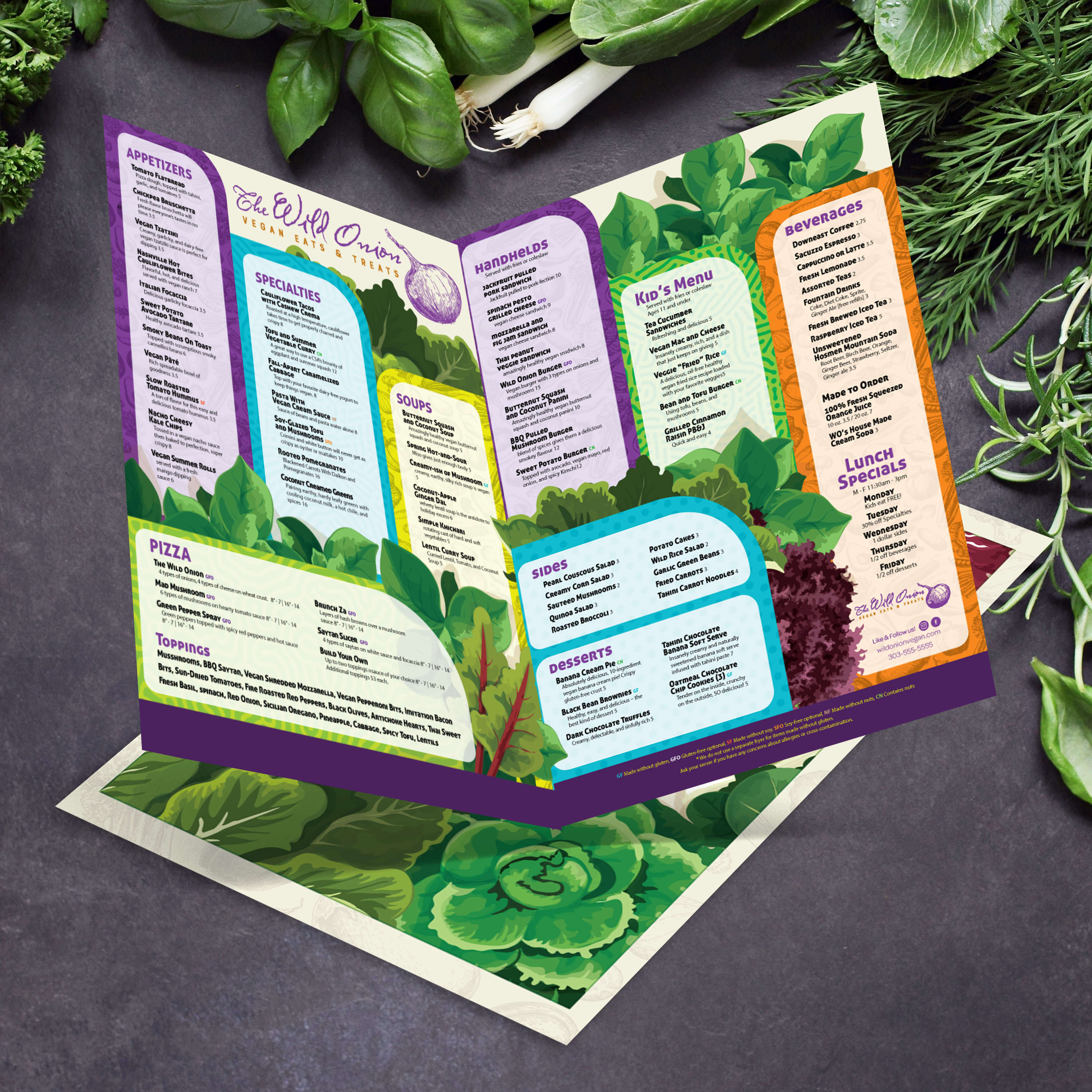
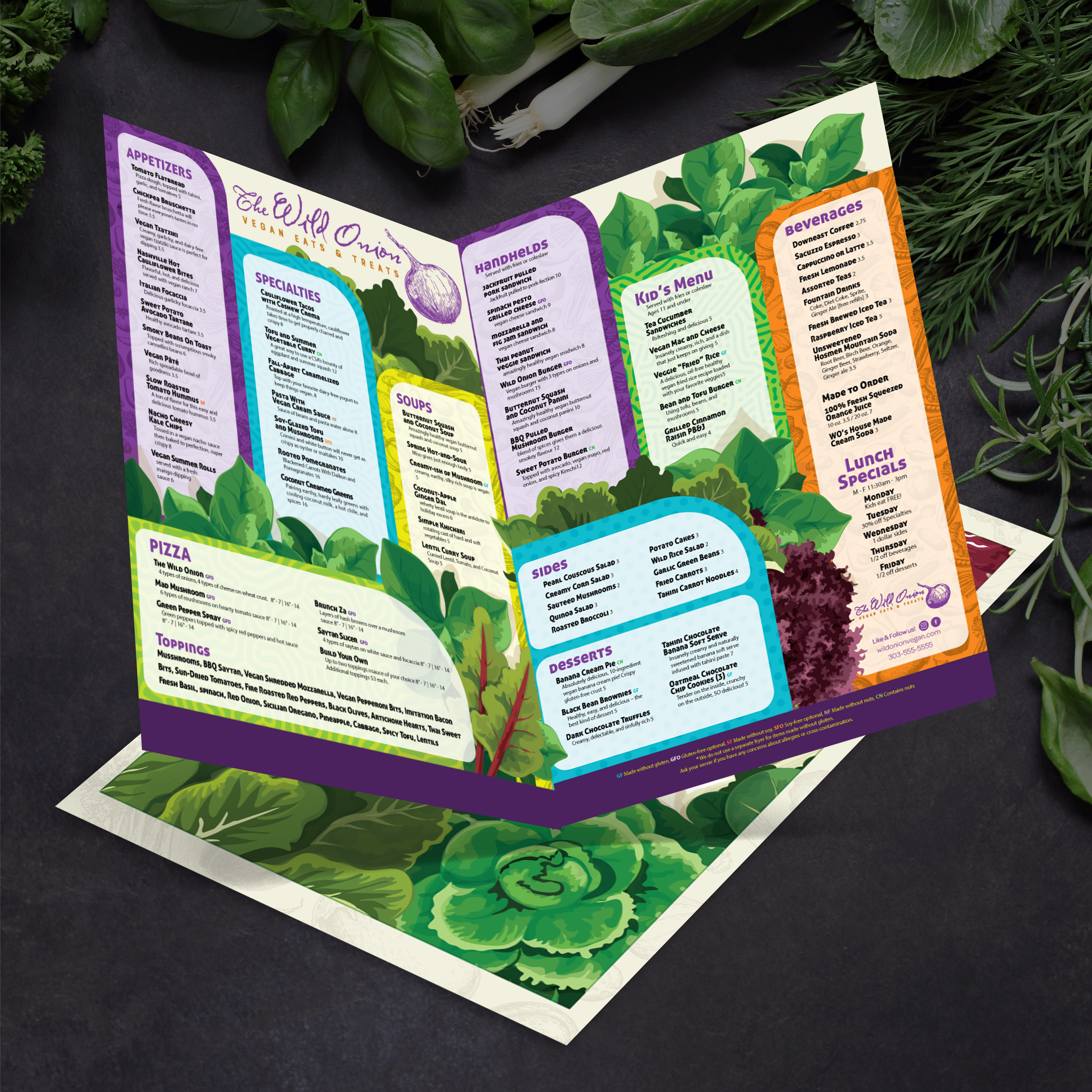
Modèles de menus végétaliens et végétariens

14 produits

Affiche 1 - 14 de 14 produits

Affiche 1 - 14 de 14 produits
Voir

Recently viewed

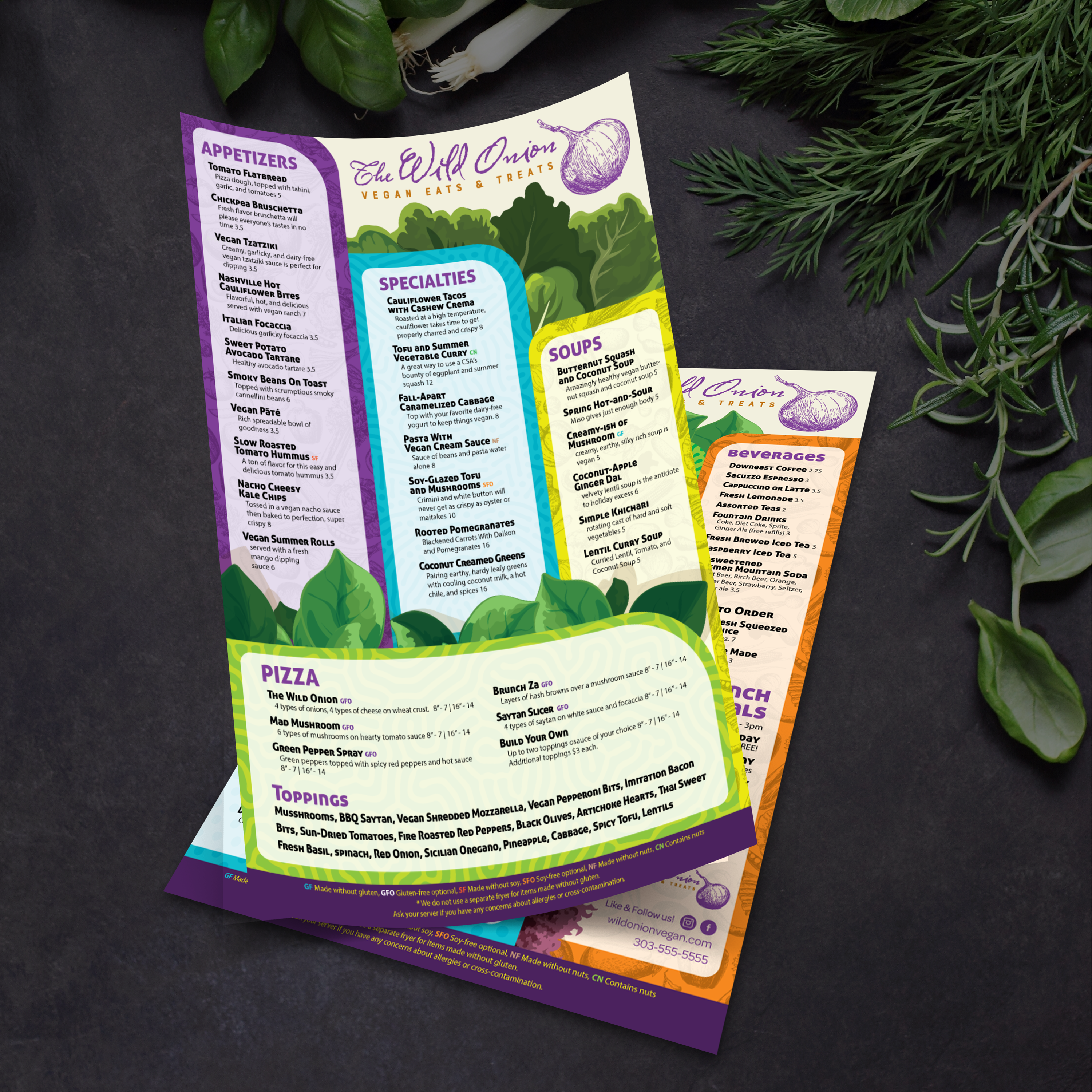
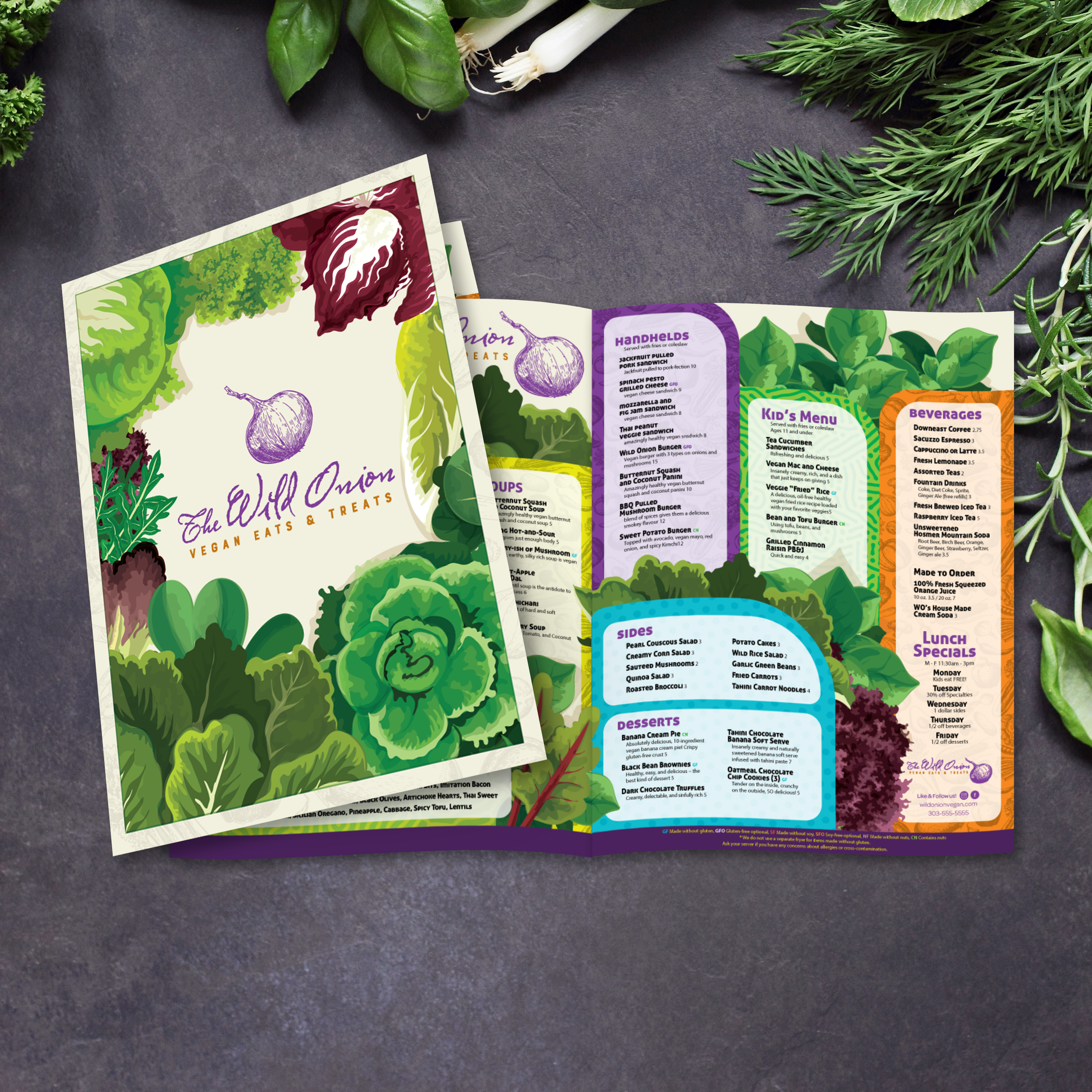
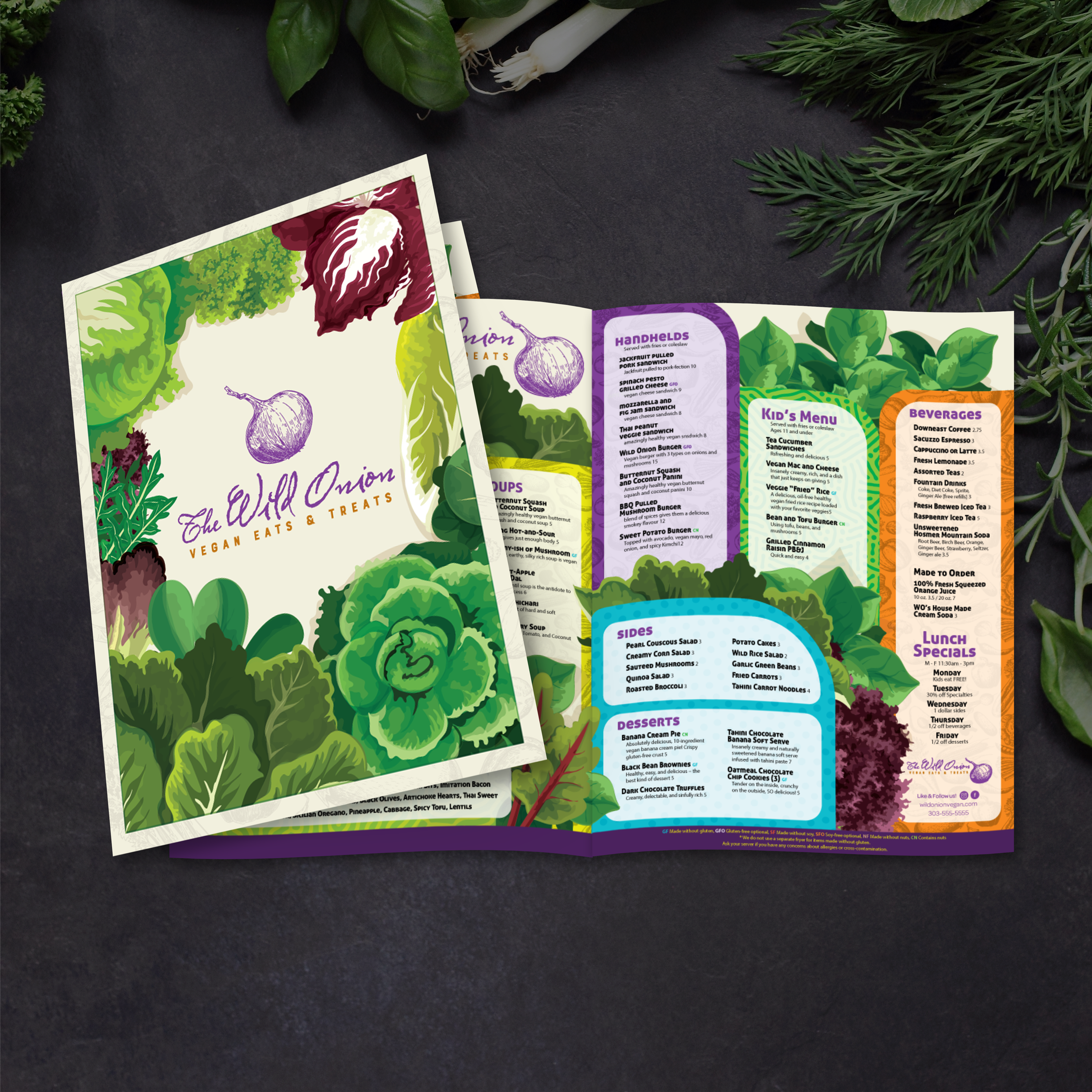
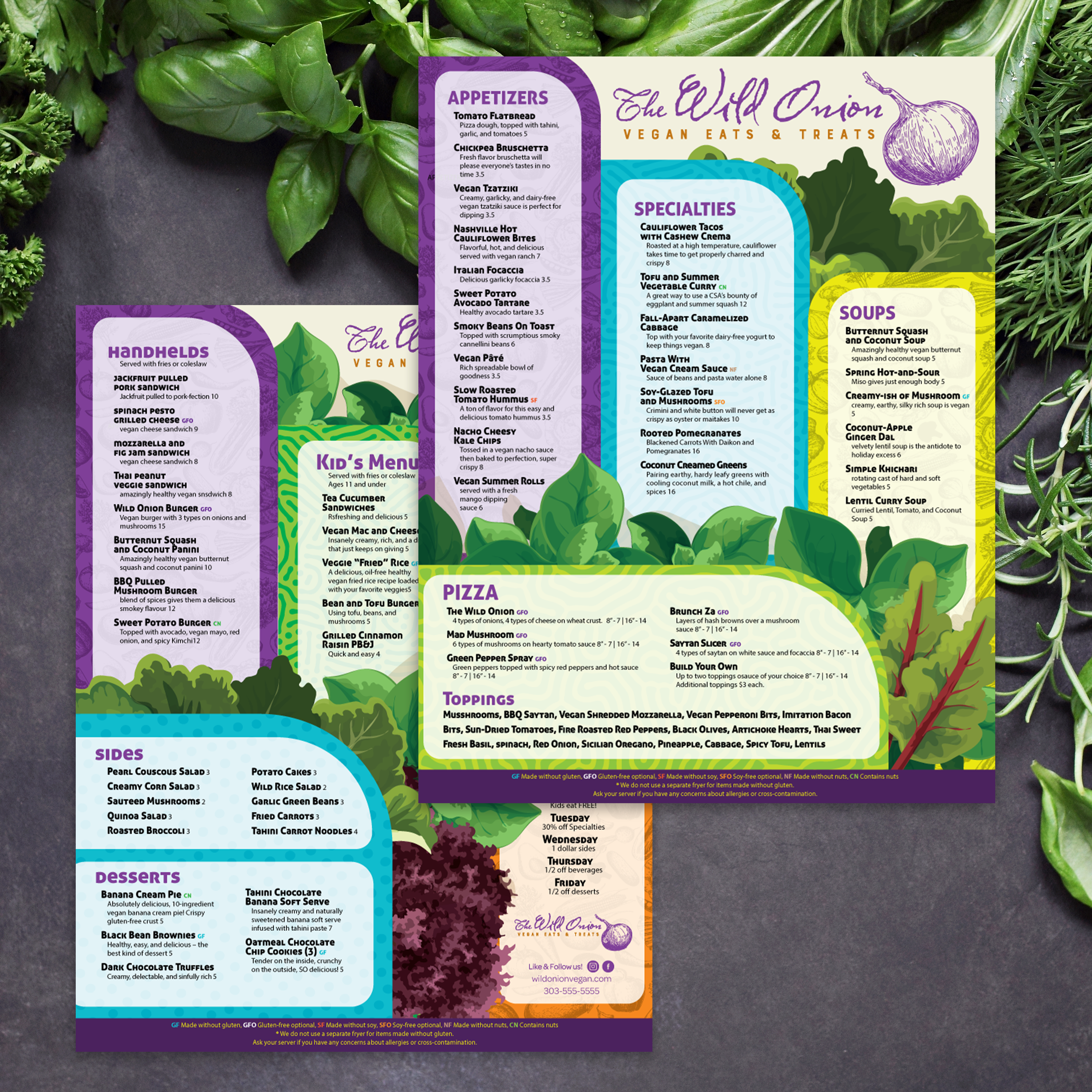
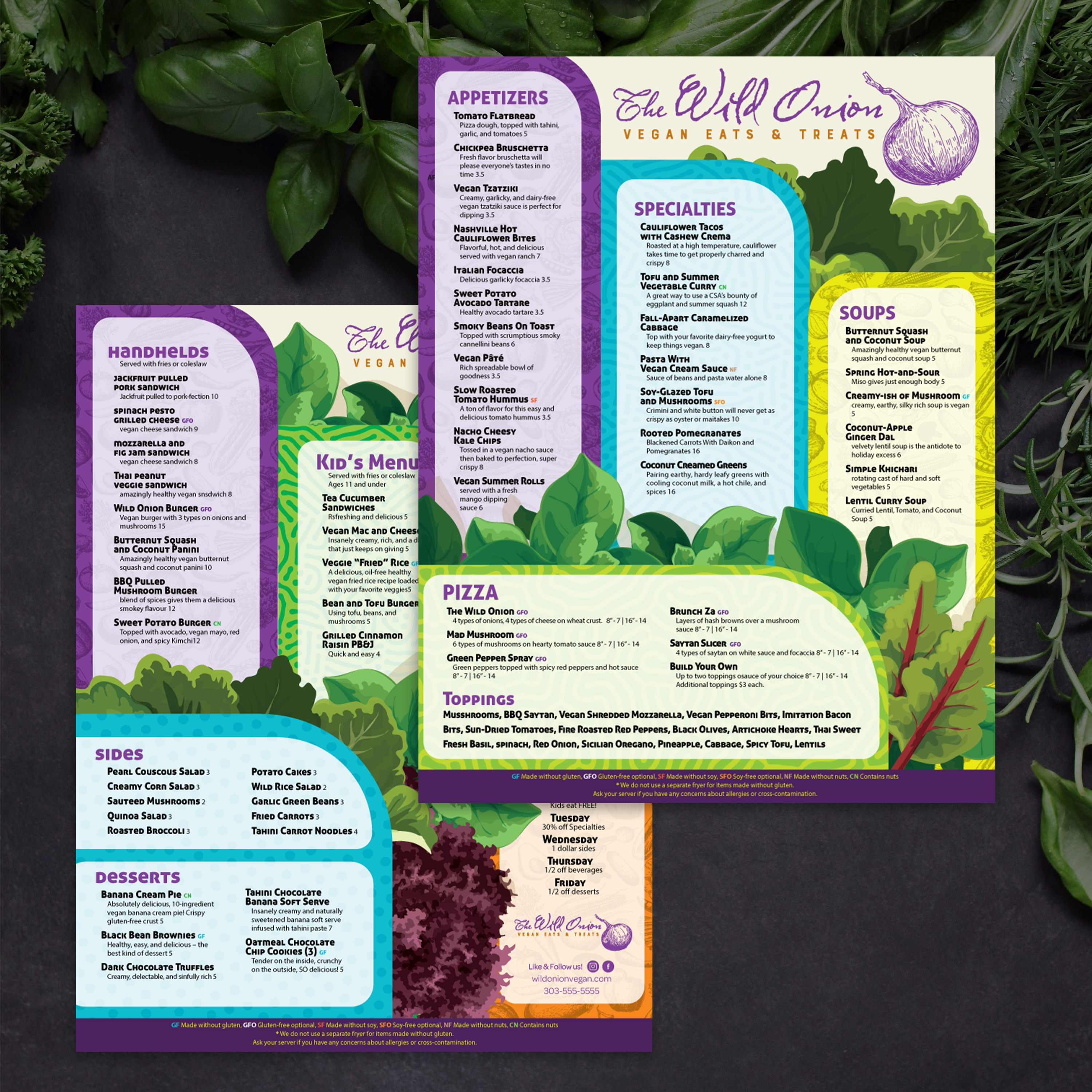
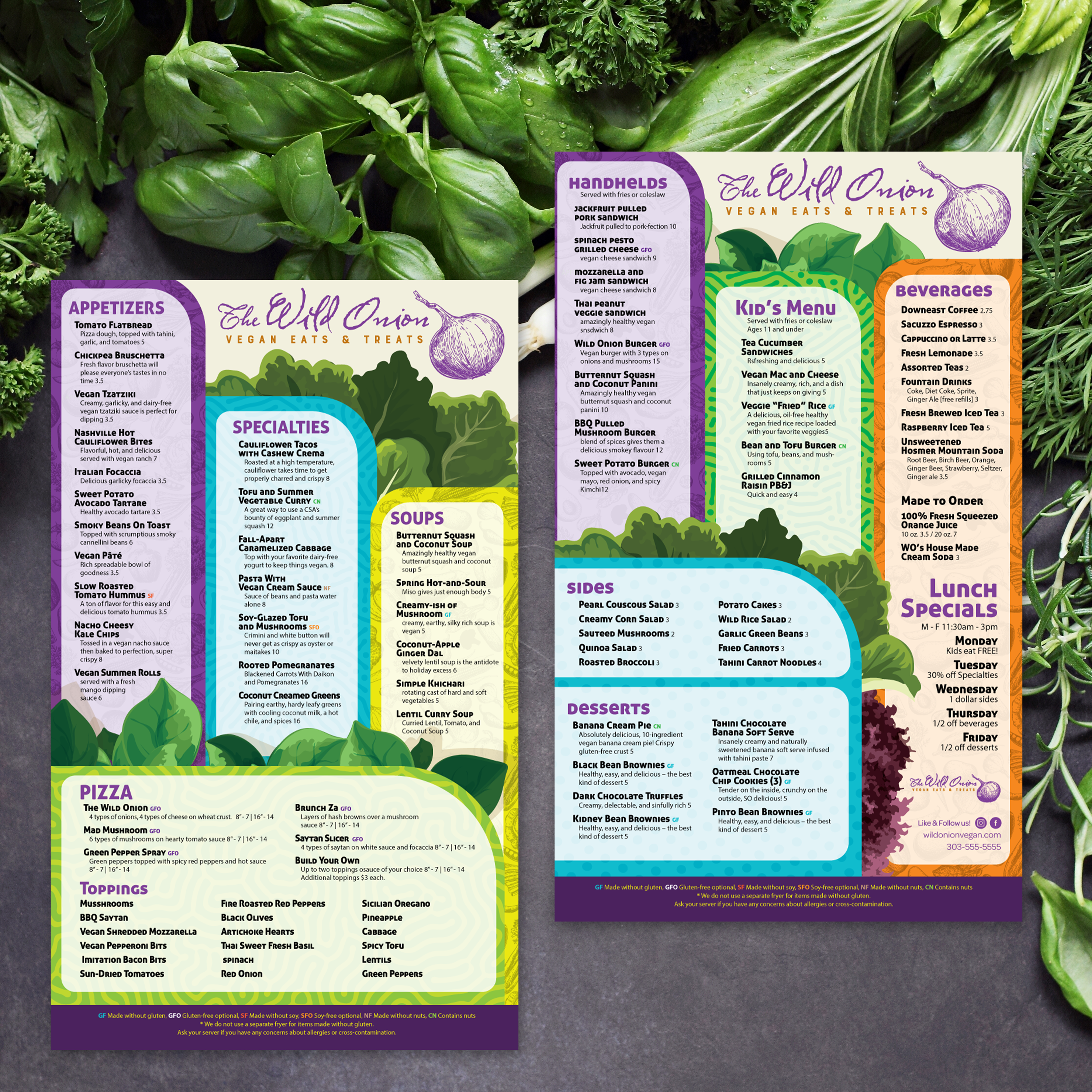
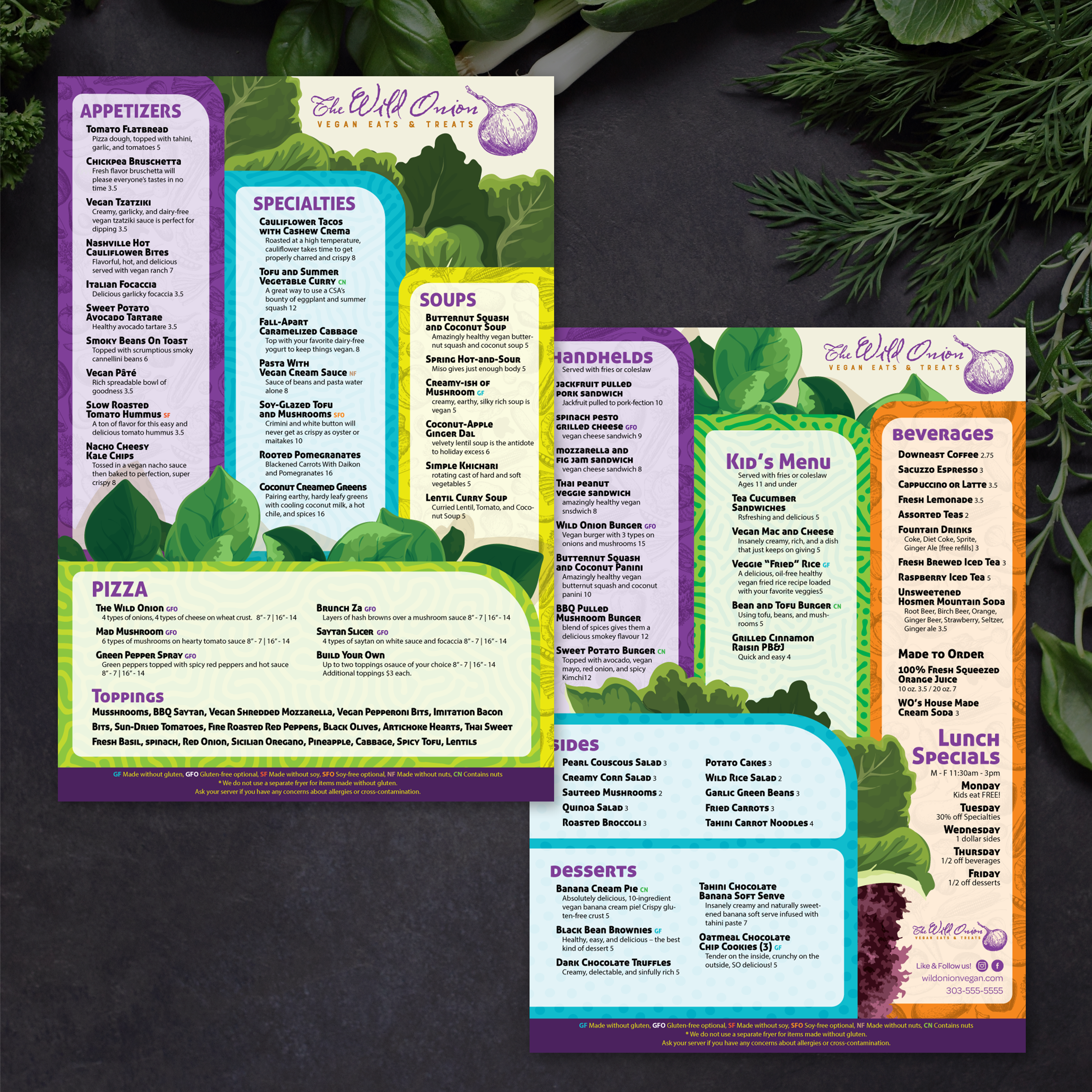
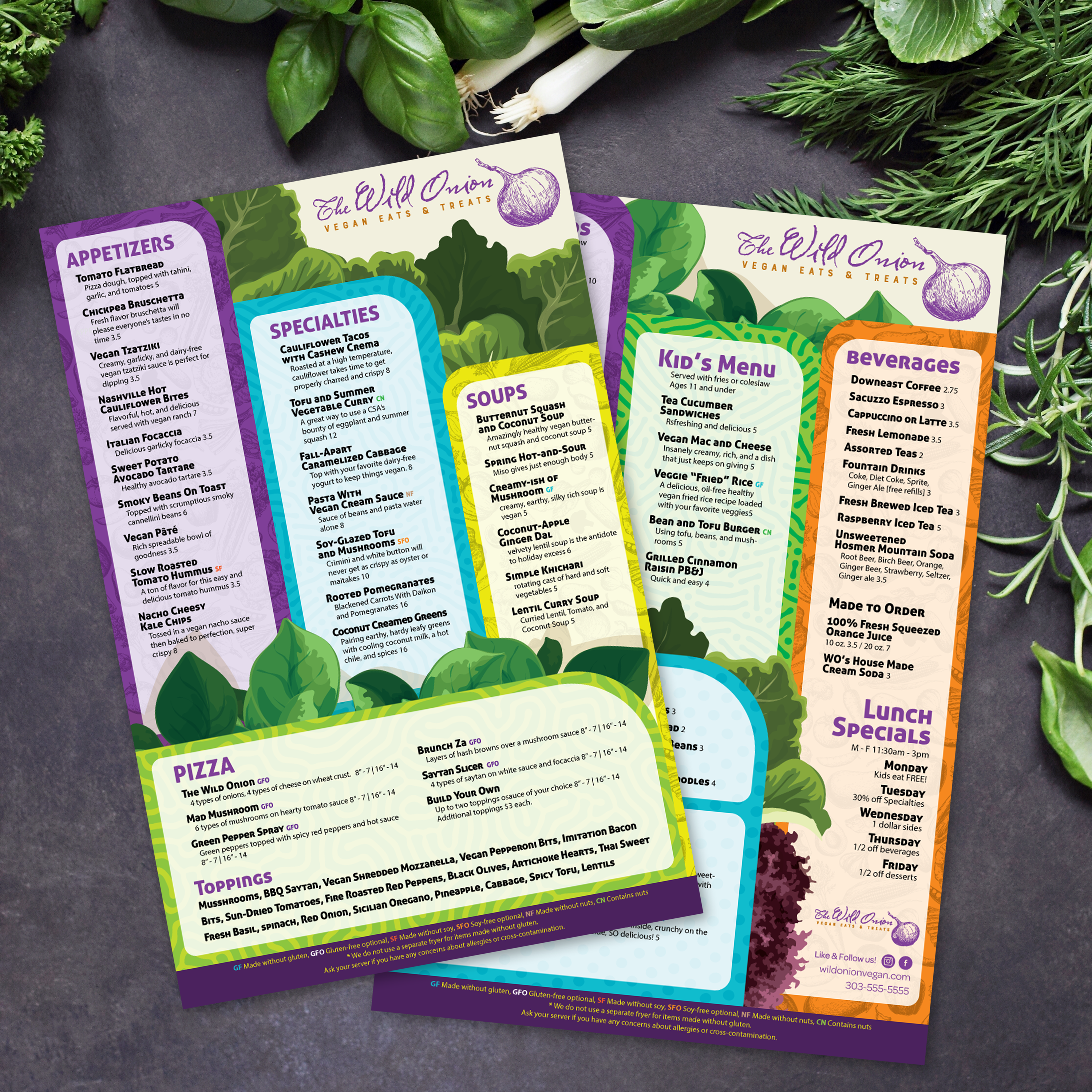
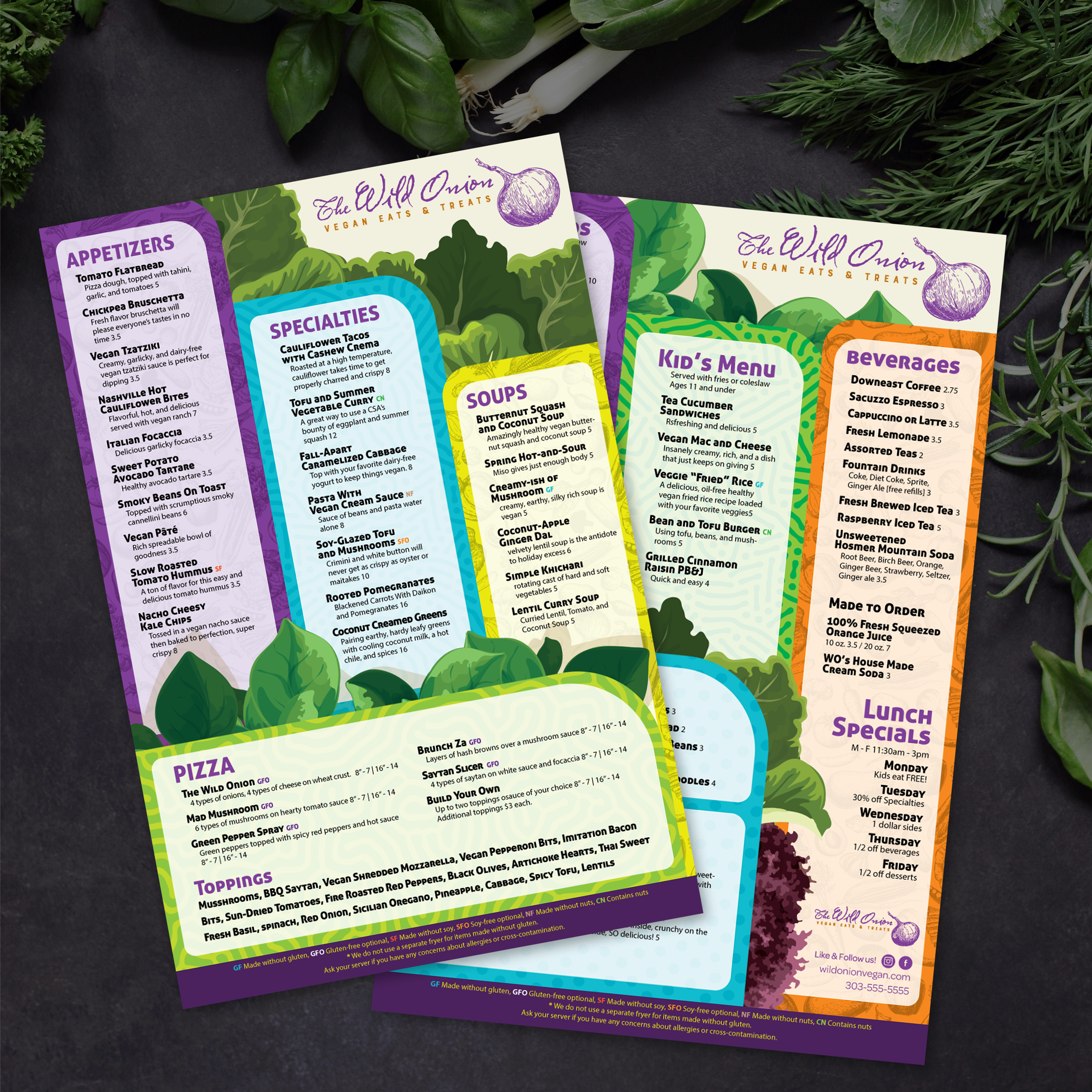
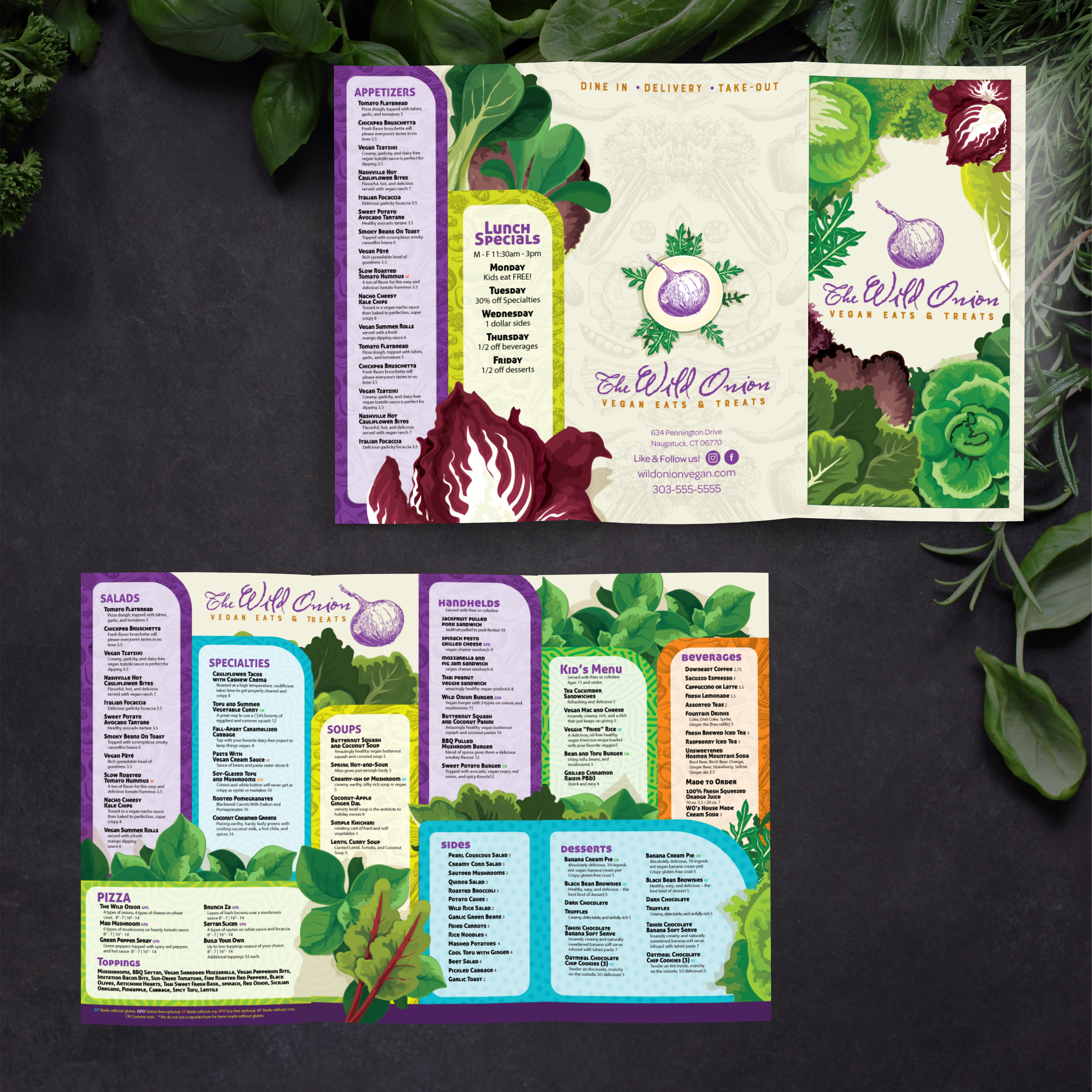
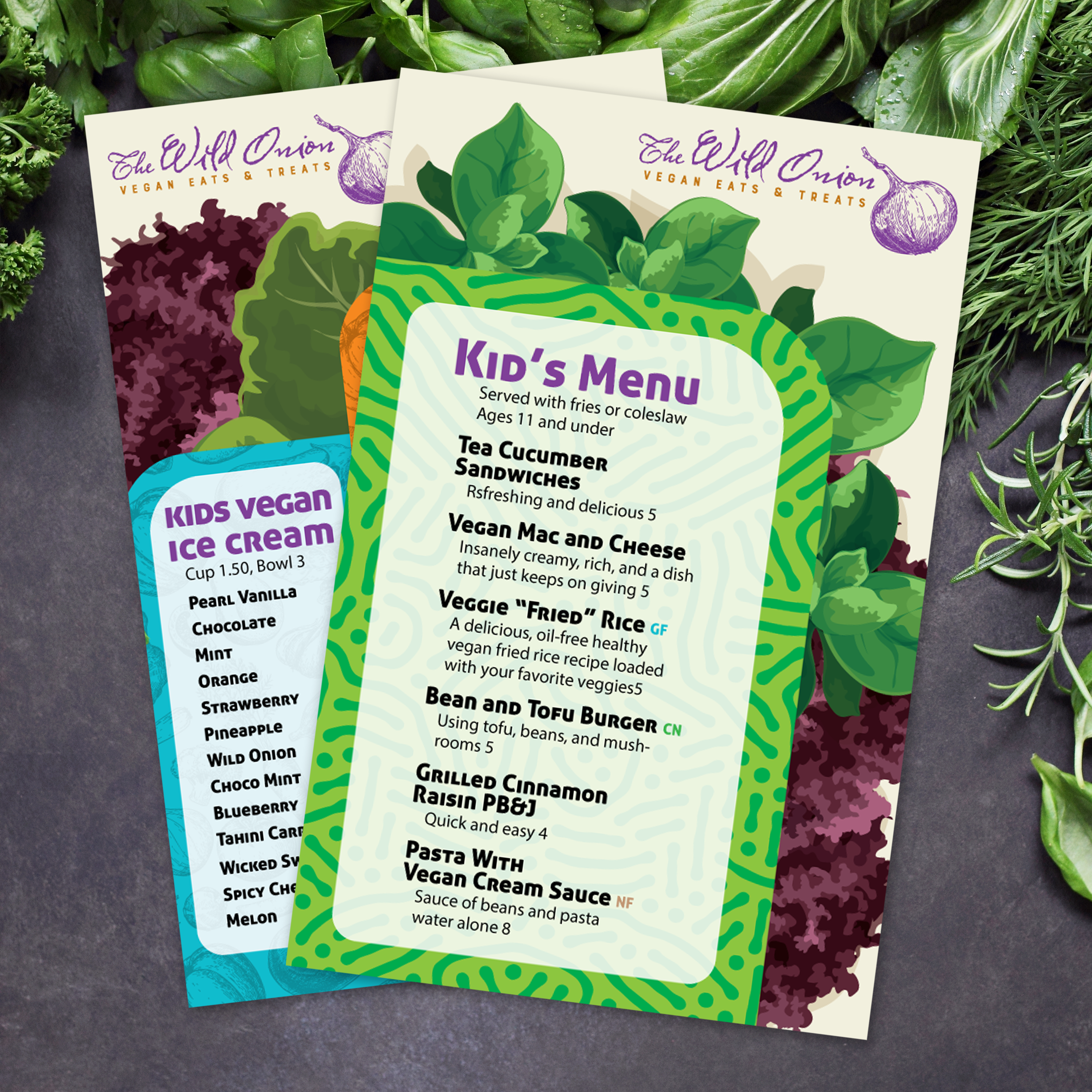
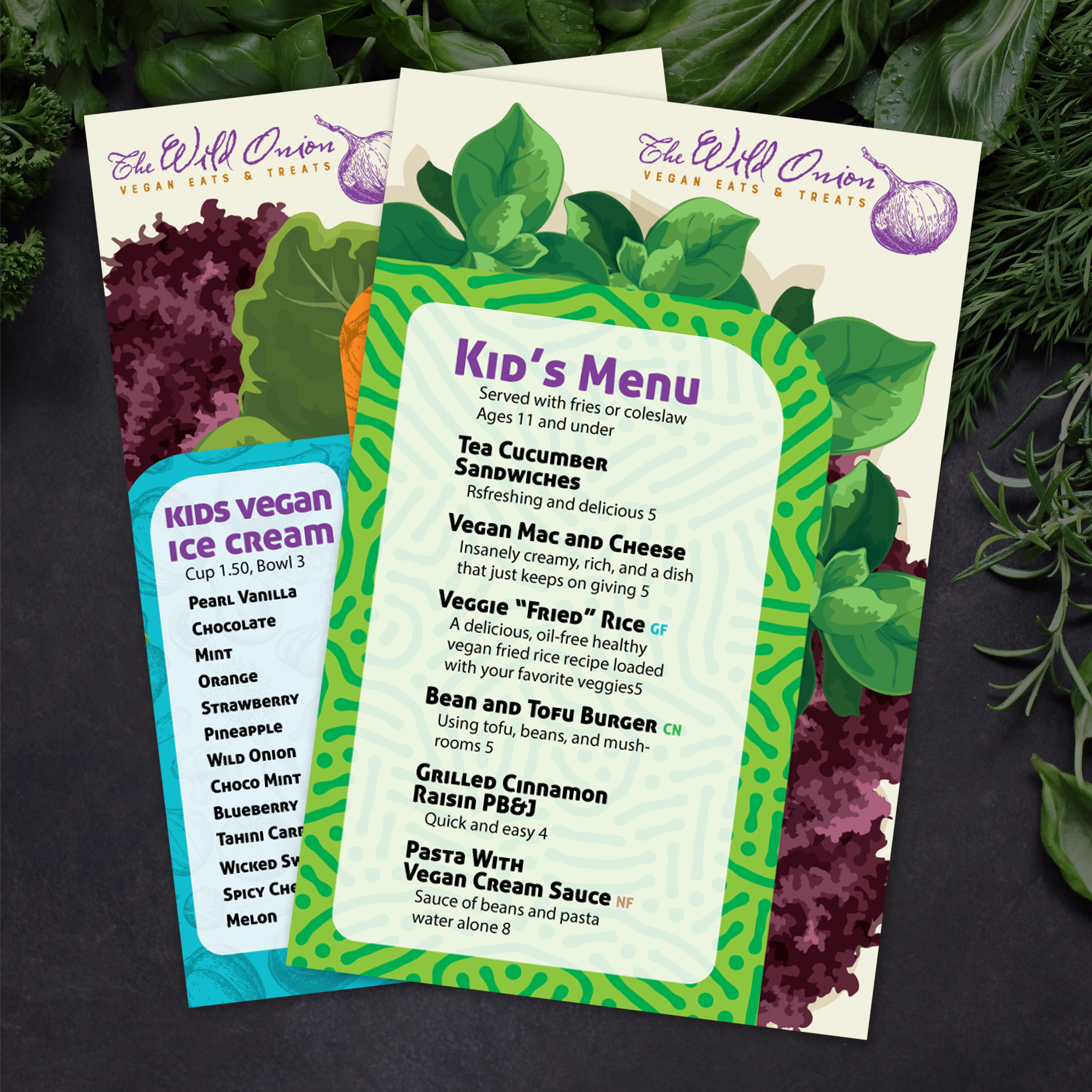
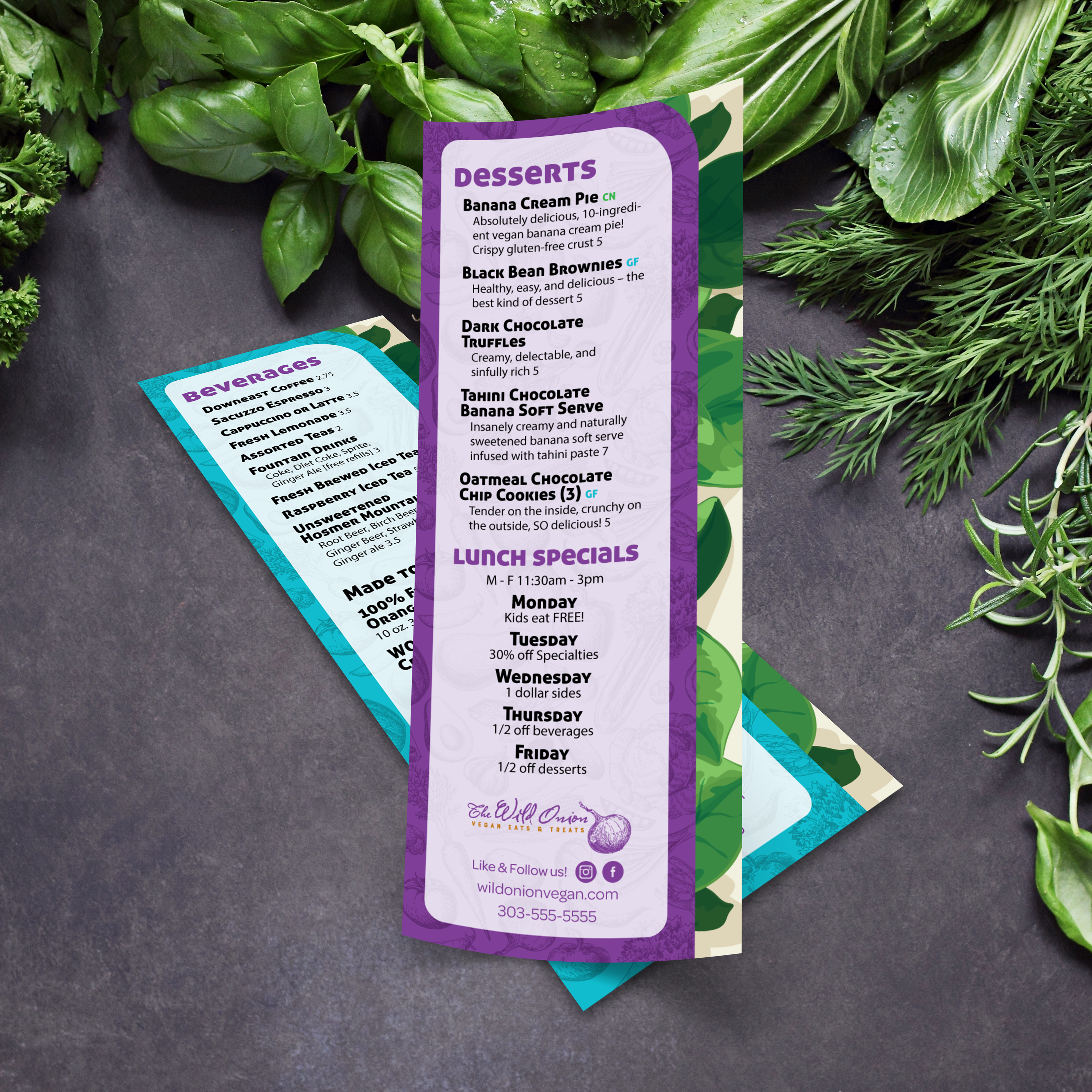
A plant-based menu needs to communicate clearly, mainly when dishes include multiple ingredients, substitutions, and dietary notes. When the layout is cluttered, guests hesitate, and ordering slows down. That’s why free vegan vegetarian menu templates are a practical starting point. A well-structured template keeps plant-based menus clean, readable, and easy to update without constant redesign. For concepts that want a light, modern feel, our Free modern cafe menu templates can also provide clean layout inspiration for plant-forward cafes and coffee shops.

A Simple Layout That Supports Ingredient-Heavy Dishes

Vegan and vegetarian dishes often feature lengthy ingredient lists, complex sauces, and detailed preparation notes. A simple template prevents these details from overwhelming the menu by enforcing spacing, consistent formatting, and short descriptions. This helps guests understand what they’re ordering without slowing down the decision process.

Clear Category Structure for Bowls, Salads, Mains, and Sides

Strong category separation helps plant-based menus feel organized. Bowls, salads, mains, sides, and add-ons should each have a clear section, allowing guests to scan naturally. When categories are predictable and consistently formatted, customers can compare options more quickly and navigate the menu with confidence.

Easy Formatting for Dietary Icons and Allergen Notes

Dietary information is essential for plant-based diners, but it should not dominate the menu. A good template allows icons or short notes to be placed consistently without cluttering item descriptions. This keeps the menu informative while maintaining a clean, modern look.

Consistent Pricing Layout That Helps Guests Compare Options

Pricing clarity matters when guests compare portion sizes, protein options, or add-ons. Templates ensure prices are aligned and formatted consistently across categories, so guests don’t have to search for cost details. This reduces confusion and supports faster ordering.

Template Features That Make Updates Faster

Plant-based menus often change with seasons, availability, and specials. A structured template makes it easier to swap items, adjust pricing, and add limited-time dishes without breaking the layout. When updates stay clean, the menu continues to look intentional and professional even as offerings rotate.

Plant-based menus are utilized across various industries, not just the sit-down dining sector. Here are a few places where vegan and vegetarian menu templates work exceptionally well, especially when the concept needs a fun, casual style for seasonal offerings. For example, Free beach bar grille menu templates can provide layout inspiration for beach-style cafes or bar-and-grille concepts that offer vegan bowls, veggie wraps, and plant-forward drinks alongside a larger menu.

  • Cafes and Coffee Shops with Plant-Based Options: Many cafes offer dairy-free milk alternatives, vegan pastries, and light meals, and a clean menu template helps guests scan options without crowding the layout:
  • Meal Prep Services and Ghost Kitchens: These businesses need clear categories, portion notes, and pricing that updates often, and a structured template keeps listings consistent even when menus rotate weekly:
  • Catering Menus for Events and Corporate Dining: Catering menus often include packages, dietary notes, and add-ons, and templates help present options clearly so customers can compare offerings without confusion:
  • Juice Bars, Smoothie Shops, and Wellness Concepts: Plant-forward beverage menus often include ingredient-heavy items, and templates keep descriptions readable while maintaining a modern, health-focused look:
  • Retail and Specialty Food Shops with Grab-and-Go Lists: Grab-and-go menus and price boards benefit from clean formatting that makes categories and pricing easy to scan at a glance.

Plant-based customers often read menus more carefully because the ingredients, allergens, and substitutions they use matter. A strong template should make those details clear without cluttering the layout. When the structure supports fast comparisons, guests order more confidently, and staff spend less time explaining what’s in each dish. This is also where the right layout style can make a significant difference, and collections like free farm-to-table menu templates offer clean inspiration for ingredient-forward menus that still feel organized and easy to scan.

Ingredient Clarity Without Overloading Descriptions

Vegan and vegetarian dishes can include a wide range of ingredients, but the menu should not resemble a full recipe. The best templates keep descriptions short and focused on what matters most, such as key vegetables, sauces, or standout seasonings. A consistent format prevents certain items from looking longer or more complex than others, which helps guests compare options quickly.

Plant-Based Protein and Add-On Grouping

Plant-based menus often include protein options such as tofu, tempeh, lentils, chickpeas, or house-made patties. Grouping these options into a dedicated add-on area keeps the menu cleaner and reduces repetition. When add-ons are listed consistently, customers personalize orders faster without slowing down service.

Highlighting Gluten-free and Dairy-Free Items Cleanly

Dietary notes should be visible but not overwhelming. A well-designed template supports simple markers like “GF” or “DF” and keeps them placed consistently across the menu. This prevents guests from scanning lengthy ingredient lists just to confirm whether something suits their needs, which improves confidence and speeds up the ordering process.

Structuring Seasonal Specials and Limited-Time Items

Plant-based menus often change with the availability of produce. A template should include a clear space for seasonal specials so rotating items doesn’t disrupt the main layout. When specials are consistently placed, returning customers can find them quickly, and the menu remains organized despite frequent changes.

Writing Style That Makes Plant-Based Dishes Sound Appealing

The wording should emphasize flavor, texture, and cooking method rather than focusing only on what the dish avoids. Strong templates support short, consistent descriptions that still feel appetizing. When dish names and descriptions are structured well, the menu feels premium and intentional, which helps guests trust the quality and order more confidently.

Vegan and vegetarian menus encompass a diverse range of concepts, from minimalist cafes to bold, fast-casual restaurants. A strong template should stay simple while allowing enough flexibility to reflect your brand’s personality. Customization works best when it enhances clarity instead of adding visual noise, keeping the menu easy to scan while still maintaining a unique feel.

Minimalist Styling for Modern Vegan Cafes

Modern vegan cafes often benefit from clean layouts with generous spacing and straightforward typography. Keeping section headers subtle and limiting the use of color helps the menu feel calm and intentional. This style works exceptionally well when the menu focuses on bowls, salads, smoothies, and light main courses, where readability and ingredient clarity are most important.

Warm, Natural Styling for Farm-Inspired Concepts

Farm-inspired vegan and vegetarian menus often feature earthy tones and a more organic aesthetic. Templates that support clear sectioning and short descriptions allow seasonal ingredients to stand out without overwhelming the page. The key is keeping the layout structured while letting dish names and fresh ingredients take visual priority.

Bright, Casual Styling for Fast-Casual Plant-Based Restaurants

Fast-casual concepts often need menus that feel energetic and approachable. A template can support this with bolder section headers, slightly tighter spacing, and clearly grouped add-ons. Even with a more playful look, consistency in formatting is essential so customers can order quickly during busy periods.

Matching Templates to Logo, Colors, and Typography

Brand elements should support the layout, rather than competing with it. Using brand colors for headers or dividers instead of backgrounds helps preserve readability. Fonts should match your brand voice while remaining practical in print. When customization is limited to accents and hierarchy, the menu stays clean and professional.

Creating Multiple Menu Formats Without Redesigning

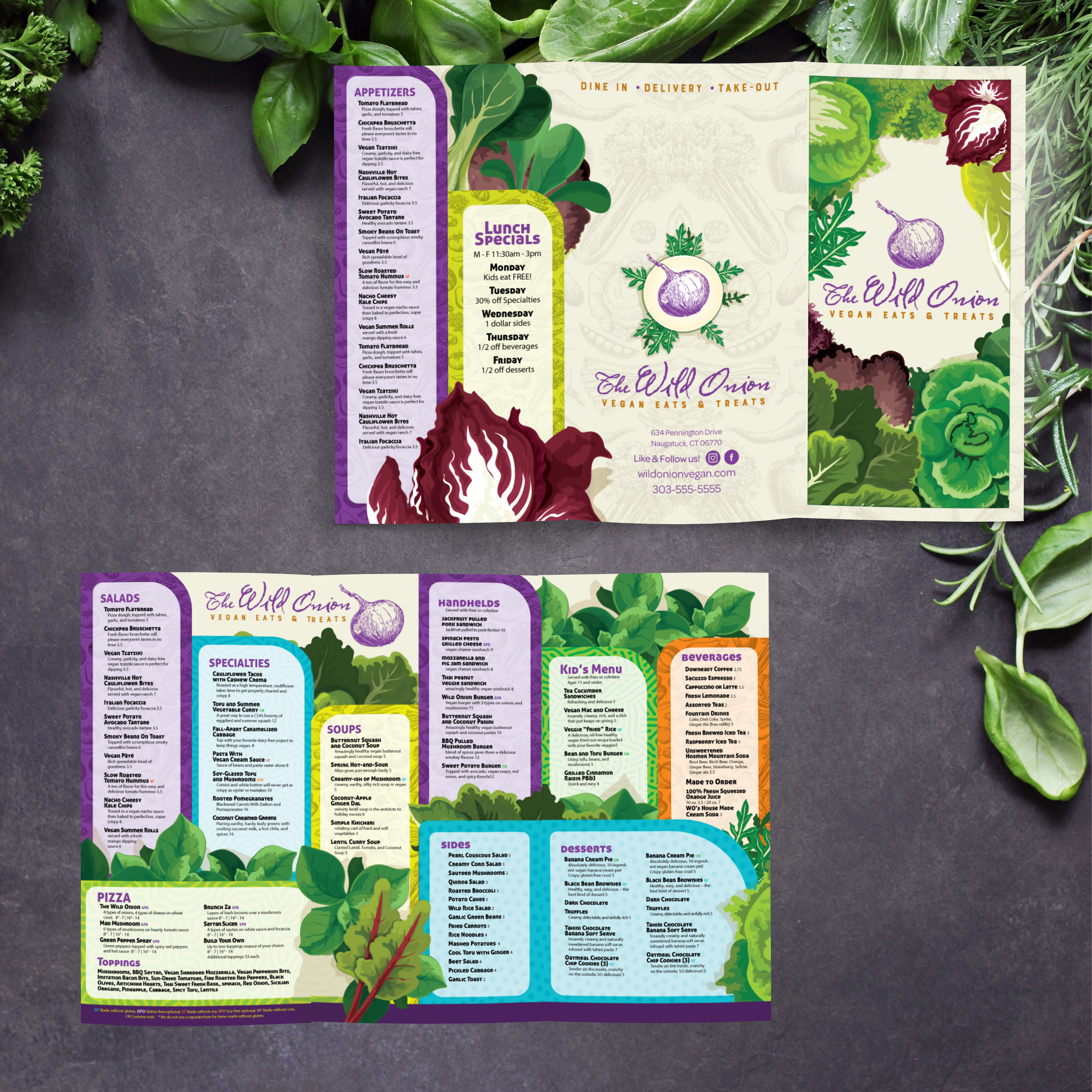
Many plant-based businesses require multiple menu formats, including dine-in menus, counter menus, and special inserts. A well-built template makes it easy to adapt the same design across various formats without starting from scratch. This keeps branding consistent and reduces errors when updates are made across multiple menu versions.

Plant-based restaurants often have high traffic, frequent menu updates, and daily cleaning needs. That means menus need to stay clear and professional through heavy handling, spills, and repeated wipe-downs. Traditional lamination can look clean at first, but it often breaks down over time. Our waterproof menu printing is designed to solve that problem while keeping menus durable, readable, and easier to maintain.

Why Lamination Clouds Up and Delaminates Over Time

Traditional lamination relies on an added layer that can degrade over time due to repeated cleaning and exposure to moisture. Over time, lamination can become cloudy, bubble, or separate at the edges, making menus appear worn even when the design is still modern. Once delamination begins, replacement becomes the only option, and that creates unnecessary reprint cycles.

Soap and Water Cleaning That Supports Daily Use

Daily cleaning is a reality for menus in busy restaurants. We recommend simple soap and water for our paper, which makes menu upkeep straightforward and consistent. Because the material itself is waterproof, there’s no laminated layer to peel or haze, and menus stay readable after repeated wipe-downs throughout the day.

Foldable Menus Without Lamination Cracking

Many plant-based menus work better in folded formats, especially when separating mains, drinks, desserts, and seasonal specials. Menus with lamination typically cannot be folded without cracking or peeling at fold lines. Our waterproof menus support folding options, such as bi-folds and tri-folds, allowing larger menus to stay organized without compromising durability at stress points.

Thickness Options for Different Menu Styles

Different restaurant styles need different menu feels. We offer multiple thicknesses, including 5 Mil, 8 Mil, 10 Mil, and 14 Mil. Thinner options work well for lighter menus or inserts, while thicker options provide a firmer, more substantial feel for menus that are handled constantly. For 14 Mil, printing may require a commercial press or a high-quality printer.

Keeping Menus Fresh with Industry-Leading Turnaround

Plant-based menus often change with seasons, ingredient availability, and weekly specials. We provide industry-leading turnaround and fast shipping, helping menus stay current without long delays. Instead of relying on lamination that clouds up and delaminates over time, menus can stay clean, modern, and professional while updates happen as often as needed.

Printing affects durability just as much as design, especially for plant-based restaurants that frequently handle and clean menus daily. Below are the most crucial printing options and services that keep menus looking modern in the long term, while supporting rapid updates when your seasonal items change.

  • TerraSlate Waterproof Paper for Long-Term Menu Durability: We print menus on TerraSlate waterproof, rip-proof paper, designed for heavy handling and repeated wipe-downs. Because the material itself is waterproof, menus remain clear and readable throughout daily service without relying on a laminated layer that can cloud, bubble, or peel. This makes TerraSlate a strong choice for vegan and vegetarian menus that are constantly handled at tables, counters, and pickup areas:
  • Menu Printing Services With Fast Turnaround for Frequent Updates: Plant-based menus often rotate with produce availability, weekly specials, and seasonal bowls or salads. We can print menus for you with industry-leading turnaround times and fast shipping, allowing you to update offerings quickly without long delays. Instead of stretching outdated menus through a season, fast reprints keep your menu accurate, professional, and aligned with what guests actually see on the line or in the kitchen:
  • TerraShield™ Anti-Microbial Coating for High-Touch Environments: High-touch menus need extra protection, especially in busy dine-in spaces where menus are passed from guest to guest. We can print menus with our proprietary TerraShield™ anti-microbial coating, supporting cleaner, more durable menus that stay presentable through repeated handling. This option is handy for plant-based concepts that prioritize cleanliness and want menus that continue looking sharp through heavy daily use:
  • Value-Oriented PolySlate for Cost-Focused Printing Needs: Some businesses seek a durable menu option while managing costs effectively. Our value-oriented PolySlate line offers an economical choice that helps menus hold up better than standard paper, especially for cafes, quick-service restaurants, and meal prep concepts that frequently update their menus. It works well for inserts, specials, takeout menus, and short-run prints where durability still matters but budgets need flexibility:
  • Hydronote for Inkjet Menu Printing Setups: Not every business prints menus on a laser printer, and that’s where Hydronote helps. Hydronote supports inkjet users who want waterproof paper options for menu printing without switching to a laser-based setup. This is a valuable solution for restaurants that print menus in-house, update specials often, and still want a water-resistant menu material that holds up better than standard paper during service:

With the right printing approach, vegan and vegetarian menus remain clean, readable, and professional throughout daily service, while also being easy to update as your menu changes throughout the year.