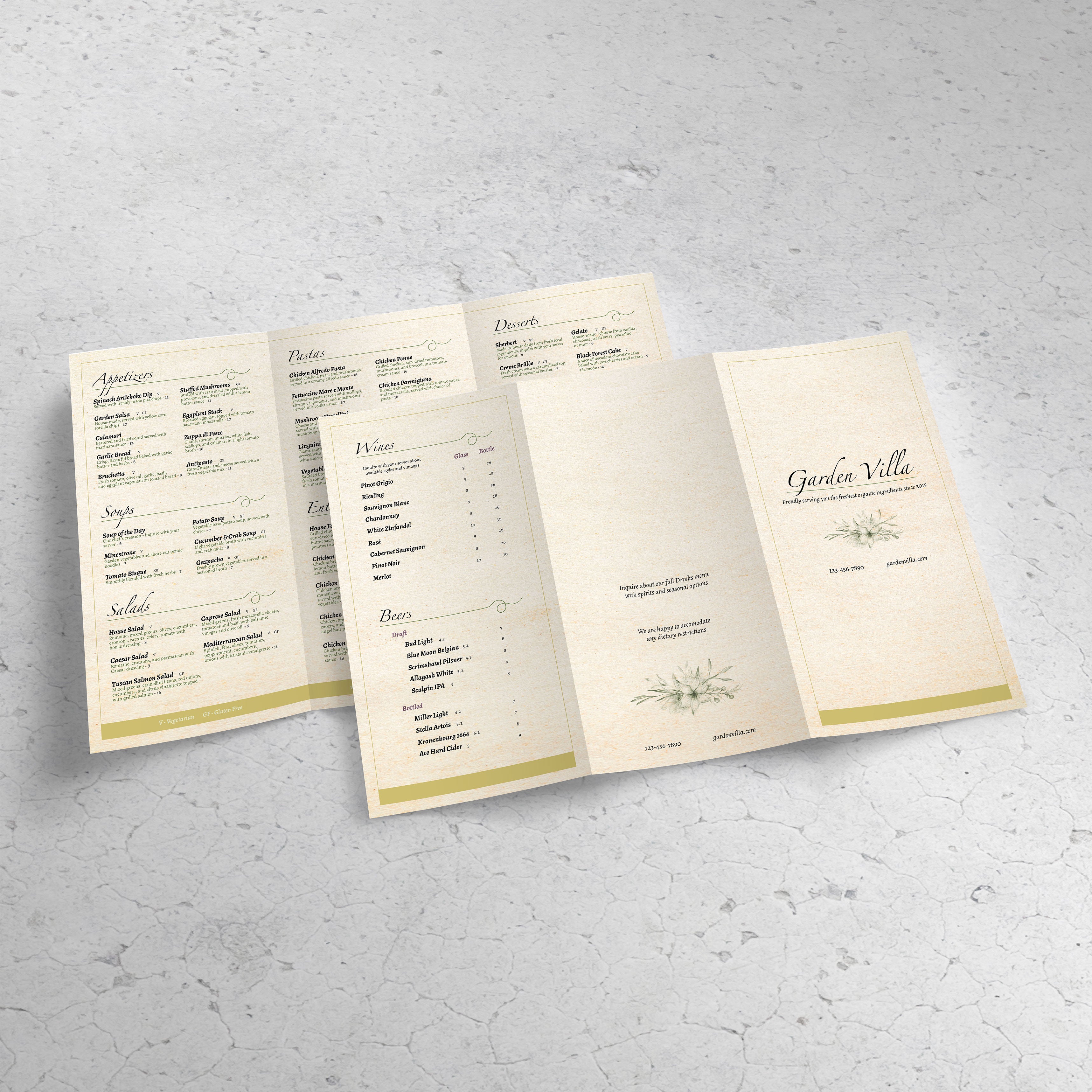
Plantillas sencillas para menú italiano

13 productos

Mostrando 1 - 13 de 13 productos

Mostrando 1 - 13 de 13 productos
Ver

Recently viewed

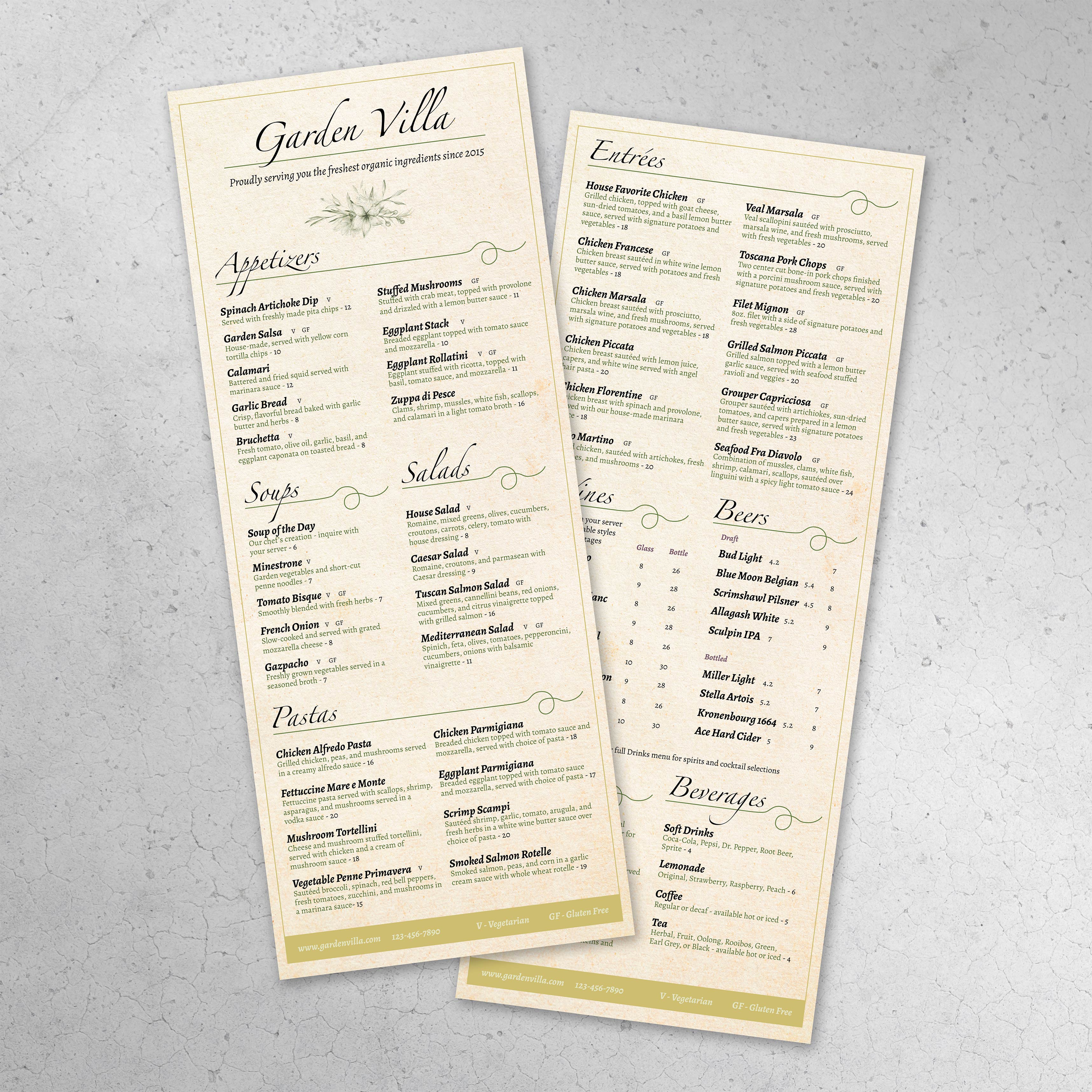
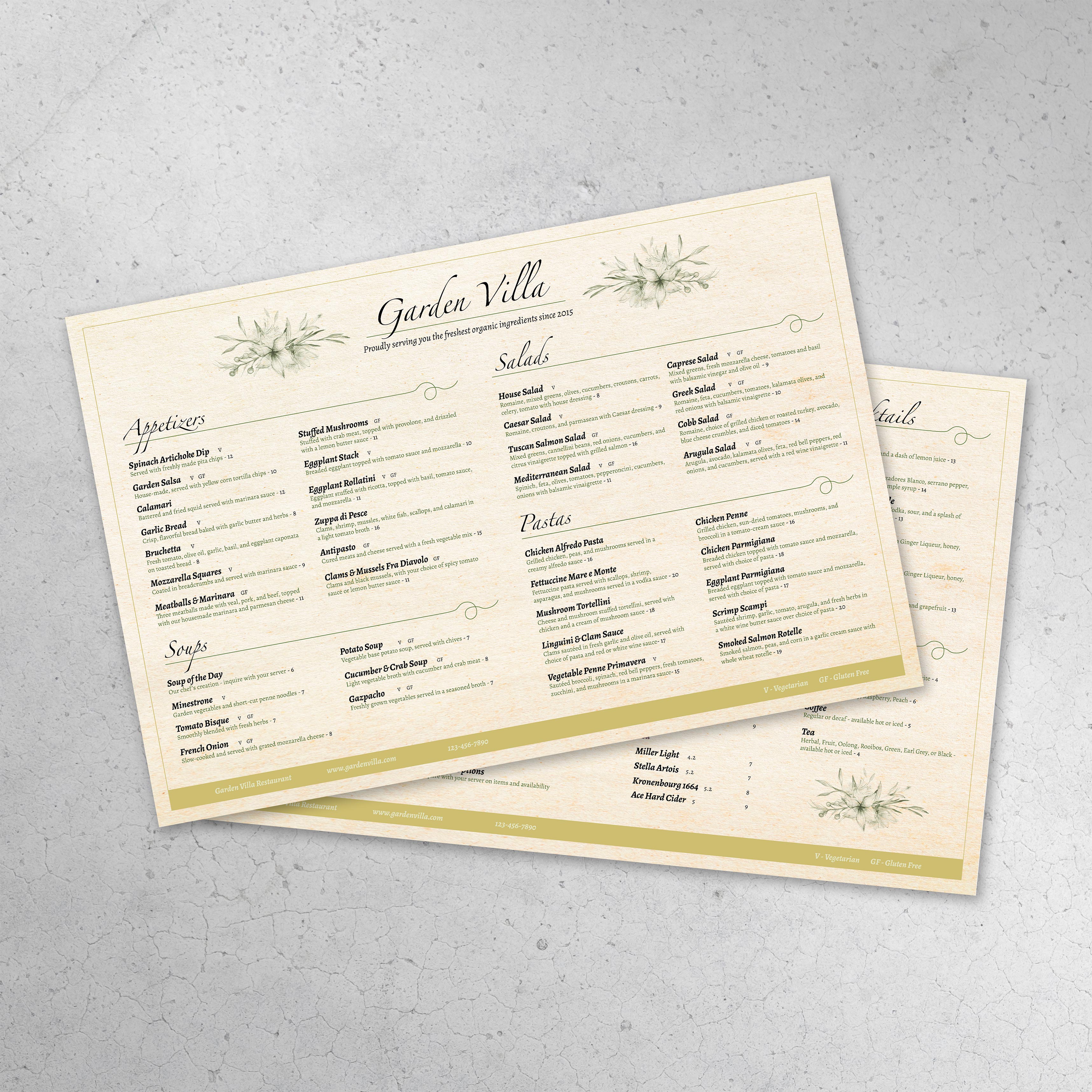
A simple Italian menu should feel classic, intentional, and easy to scan. When the layout is clean, guests focus on the food instead of struggling to navigate categories or pricing. That’s why free simple Italian menu templates work so well for Italian concepts, from neighborhood trattorias to modern bistros.

Classic Structure That Matches Traditional Italian Courses

Italian menus often follow a natural rhythm: antipasti are served first, followed by primi, then secondi, and finally contorni and dolci. A simple template supports this flow with clear section breaks and consistent formatting so guests understand the structure immediately. When course categories are organized properly, guests order more comfortably and are more likely to add appetizers or sides because the menu makes the experience feel complete and familiar.

Clean Typography That Supports a Premium, Authentic Feel

Typography plays a big role in menu perception. Simple Italian menu templates typically use clean, readable fonts that convey quality without feeling overly styled or modern, in a way that complements the cuisine. When fonts are consistent and spacing is balanced, menus feel more premium and trustworthy. Guests can scan quickly without getting stuck on hard-to-read text or decorative formatting that distracts from the dishes.

Clear Category Order That Helps Guests Decide Faster

Guests should be able to find pasta, pizza, and main dishes without hunting. A template ensures category order is predictable and maintains consistency in listings across sections. When descriptions, pricing, and item names follow a consistent structure throughout, guests can compare dishes more easily and ask fewer questions. This keeps ordering smooth, reduces hesitation, and supports a better dining flow, especially during busy service hours.

Simple Layouts That Keep Menus from Feeling Crowded

Italian menus often include multiple pasta dishes, rotating specials, and wine pairings. Without a strong template, these menus can become cluttered quickly. A simple layout prevents crowding by enforcing spacing rules, maintaining clean margins, and limiting unnecessary design elements. This makes even a menu with many dishes feel organized and easy to read.

A well-structured Italian menu helps guests order confidently, increases appetizer and dessert add-ons, and keeps the dining experience feeling authentic. The best free simple Italian menu templates follow a course-based structure that matches how Italian meals are typically served, while still leaving room for modern concepts and seasonal specials. If you’re building a garden-inspired seasonal menu, Italian garden free menu templates can help keep lighter, produce-forward dishes organized without crowding the page.

Antipasti Placement That Encourages Appetizer Orders

Antipasti should be placed near the top so guests see starters first and consider ordering them before moving into pasta or pizza. Keeping antipasti simple and clearly separated prevents it from blending into other sections. Short descriptions work best here, especially when items are shareable. When antipasti is easy to scan, guests are more likely to add one to the table without hesitation.

Primi and Pasta Grouping for Easy Comparison

Primi is often where pasta lives, and this section should feel structured and easy to compare. Grouping pasta dishes by style, such as tomato-based, cream-based, and olive oil-based, helps guests choose quickly. Keeping pasta names consistent and placing key details in the same position across listings makes the section feel premium and organized.

Pizza and Flatbread Category Organization

If pizza is on the menu, it should be its own clear section, especially for pizzerias or casual Italian dining. Within the category, listing classic pizzas first and specialty pizzas second improves scanning. Restaurants looking for a clean, pizza-forward layout can pull structure ideas from Free pizza menu templates, mainly when the menu includes multiple sizes, crust options, or toppings.

Secondi and Protein Sections That Don’t Overwhelm

Secondi can easily feel heavy if it’s not organized properly. Grouping proteins logically, such as chicken, beef, seafood, and vegetarian mains, keeps the section clear. Short descriptions and consistent formatting prevent this section from dominating the menu visually. This is important because secondi should feel like a strong option, not a wall of text guests skip.

Italian restaurants vary widely, and the best templates are the ones that stay simple while adapting to different concepts. Below are the most effective customization angles to keep the layout clean, consistent, and aligned with your style.

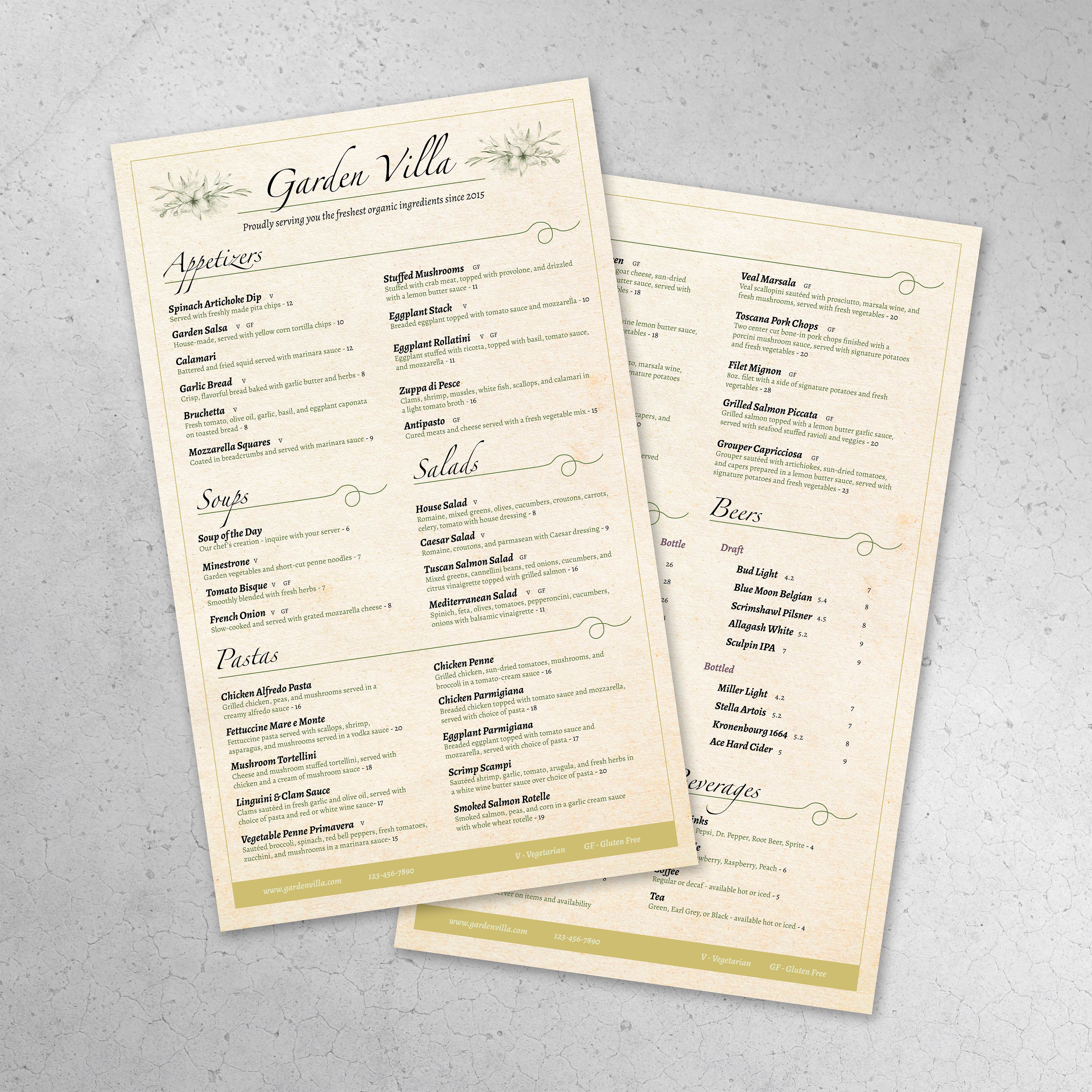
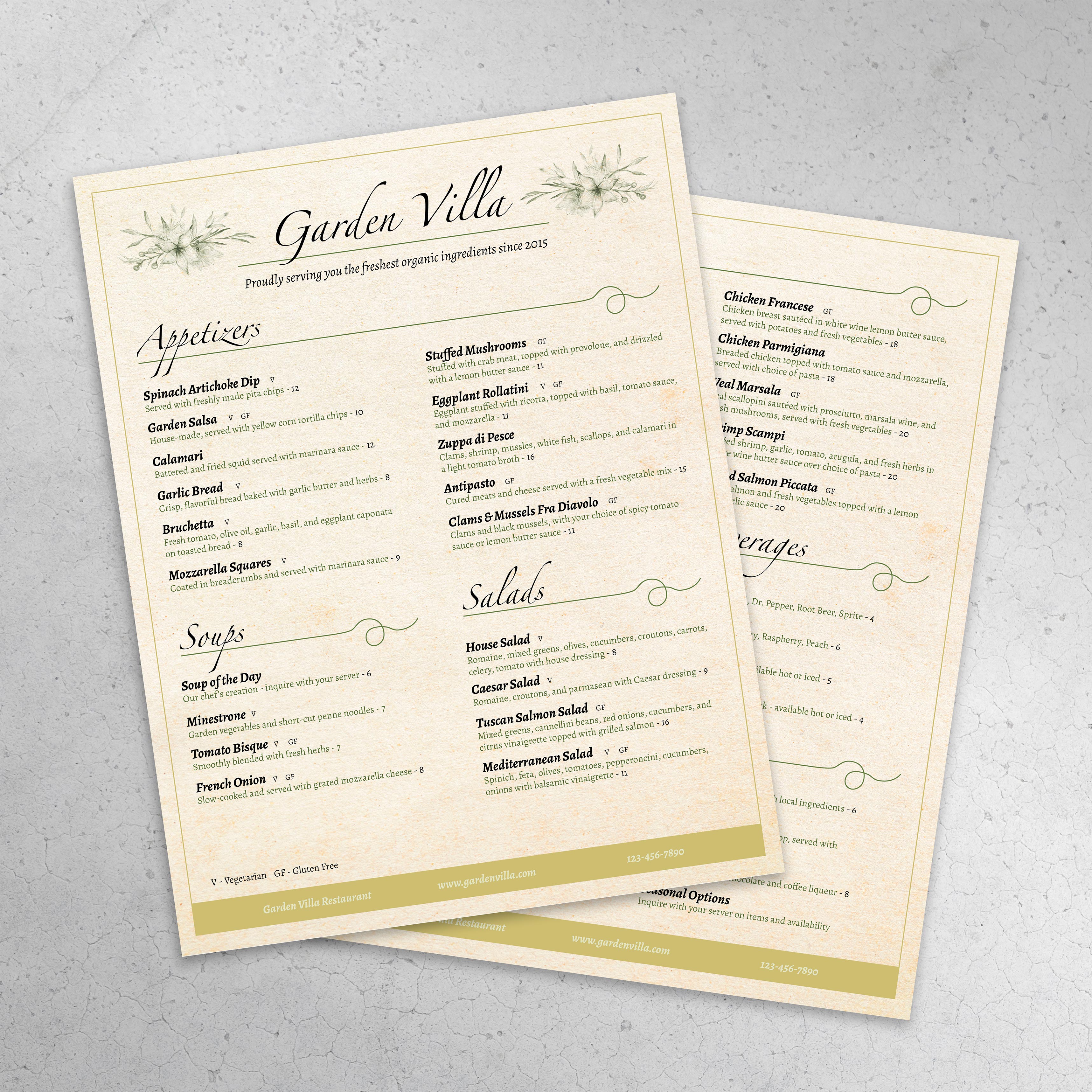
  • Rustic Trattoria Styling That Feels Warm and Traditional: A trattoria-style menu benefits from a classic structure with clear course sections, simple typography, and minimal design elements. Keeping dish names clean and descriptions short helps the menu feel authentic while allowing house specialties and seasonal items to stand out without clutter:
  • Modern Italian Bistro Styling with a Clean, Minimal Look: A modern bistro menu often looks best with strong spacing, fewer decorative details, and a sharper hierarchy. Clean section headers, consistent alignment, and a restrained use of accent color help the menu feel contemporary while still respecting Italian course flow and traditional naming:
  • Fine Dining Formatting That Supports Premium Presentation: Upscale Italian restaurants need templates that emphasize readability and intentional pacing. Fewer items per section, more white space, and concise descriptions help dishes feel curated. Pairing suggestions, tasting notes, or wine callouts should be subtle and consistently formatted so the menu remains clean, not crowded:
  • Menu Variations for Lunch, Dinner, and Seasonal Specials: Many Italian restaurants need separate menus for different dayparts. A strong template system makes it easy to adjust sections while keeping branding consistent. Farm-driven concepts that rotate ingredients can also benefit from structured layout inspiration like Free farm-to-table menu templates, especially when seasonal items change frequently, and the menu needs to stay clean and organized:

A well-chosen Italian template should adapt to your restaurant style without adding complexity, keeping the design simple while making ordering feel effortless.

Italian restaurants need menus that stay clean, readable, and professional through daily handling, spills, and repeated cleaning. Traditional lamination often looks fine at first, but over time it can cloud up, bubble, or delaminate, which makes even a well-designed menu look worn. Our waterproof menu printing is designed to solve those issues while keeping menus clear, durable, and easier to maintain in busy dining environments.

Why Laminated Menus Cloud Up and Delaminate Over Time

Laminated menus rely on an added layer that can degrade with repeated use. Frequent wiping, heat exposure, and moisture can cause the laminate to cloud up, bubble, or separate at the edges. Once lamination starts to fail, the menu looks tired and unprofessional, and replacement becomes the only option. Laminated menus also struggle at stress points, such as corners or folds, where cracking and peeling can appear faster.

How Waterproof Menus Support Simple Soap and Water Cleaning

Daily cleaning is a reality for Italian restaurants, especially with high table turnover. We recommend simple soap and water for our paper, which makes upkeep straightforward without damaging the menu surface. Because the menu material itself is waterproof, there’s no top layer to haze or peel over time. This helps menus stay clear through repeated cleaning, which is key for restaurants that need menus to look fresh and polished every day.

Why Folded Menus Work Better Without Lamination Cracking

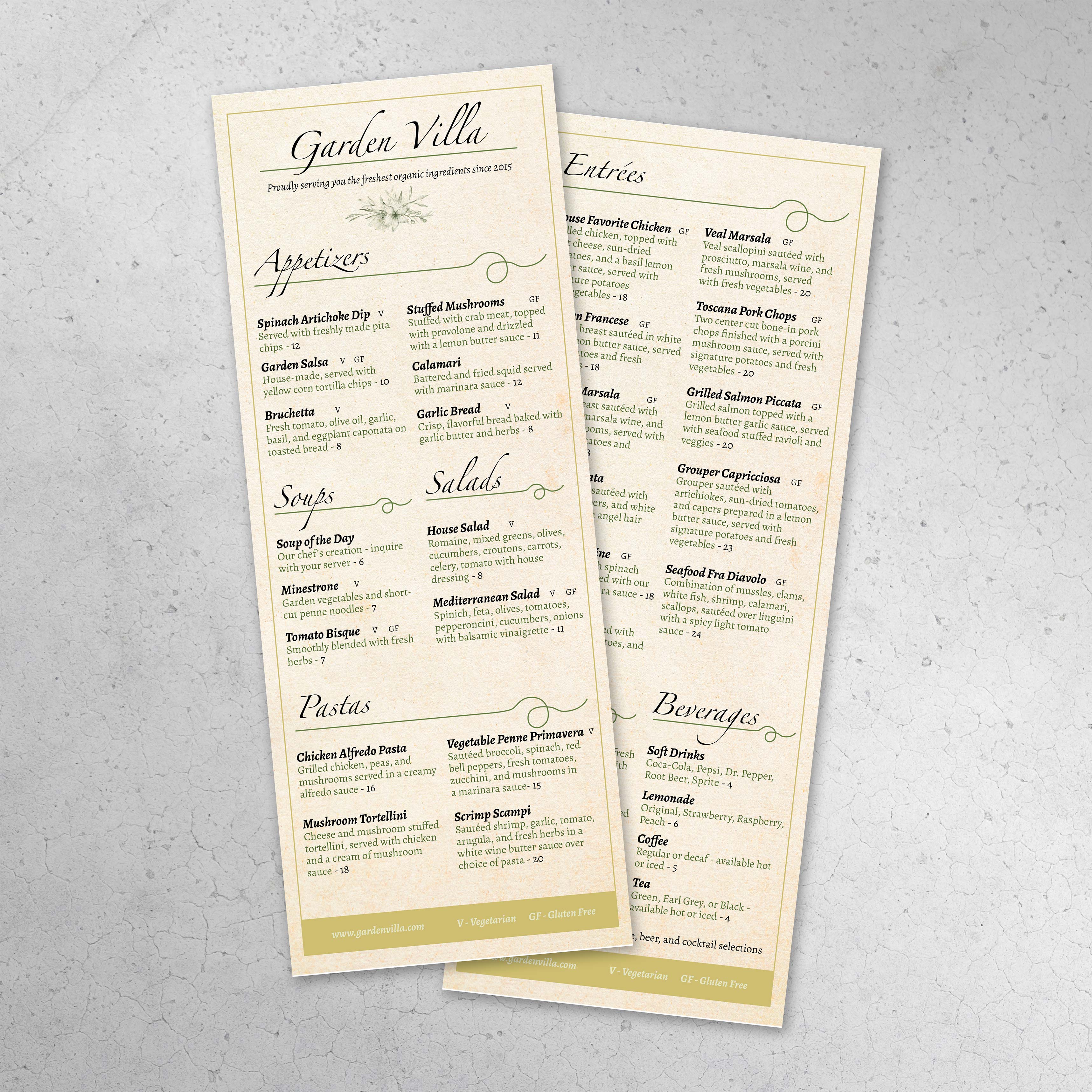
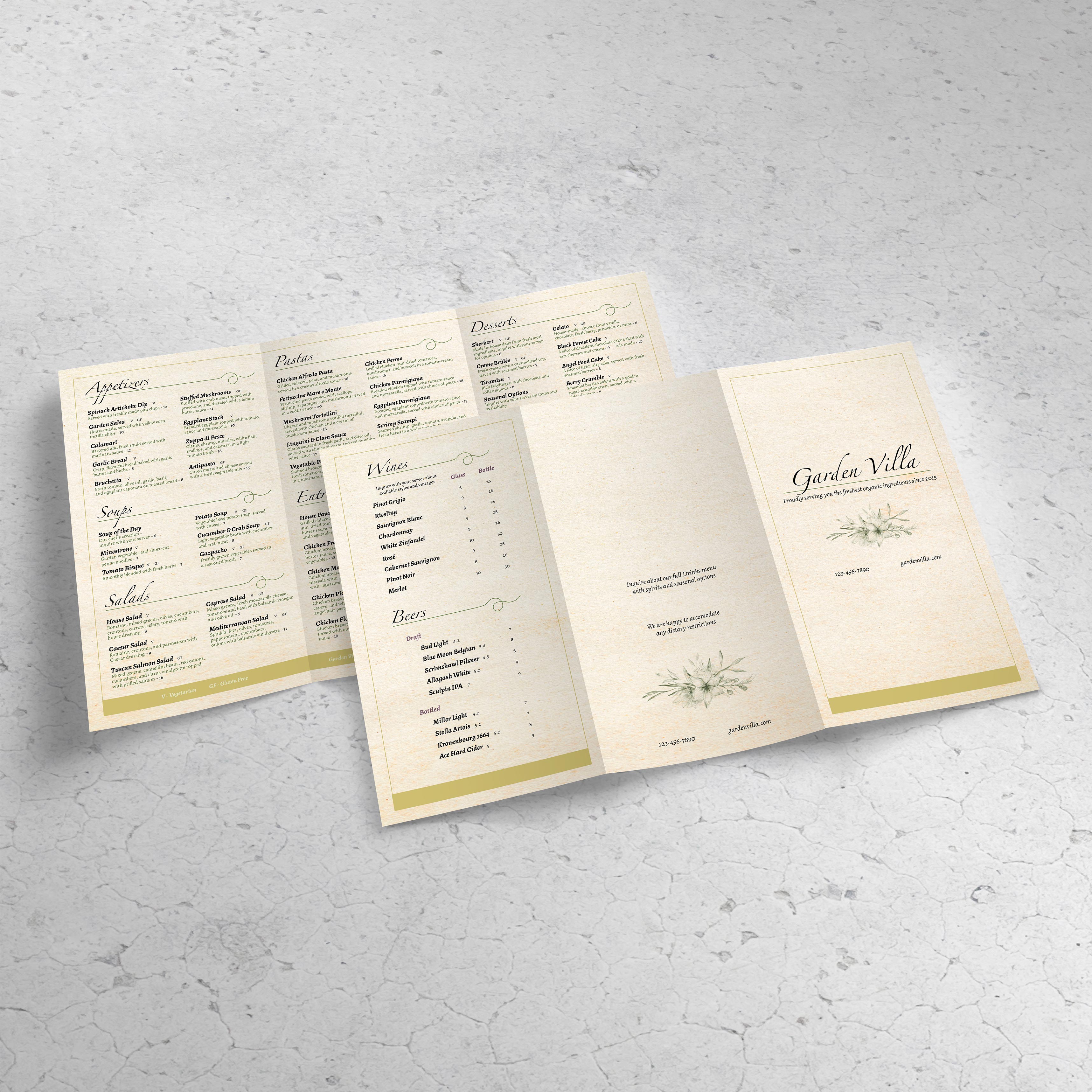
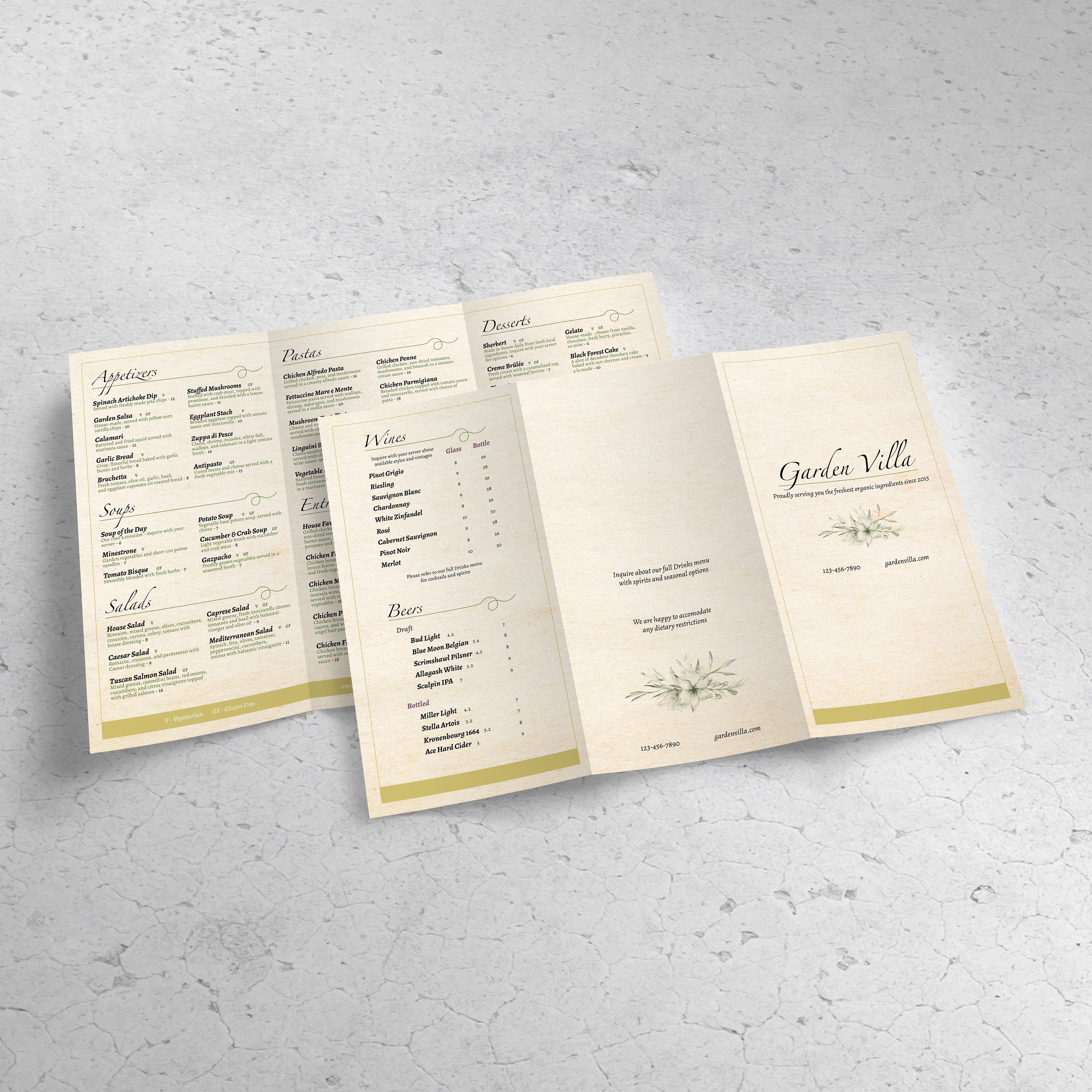
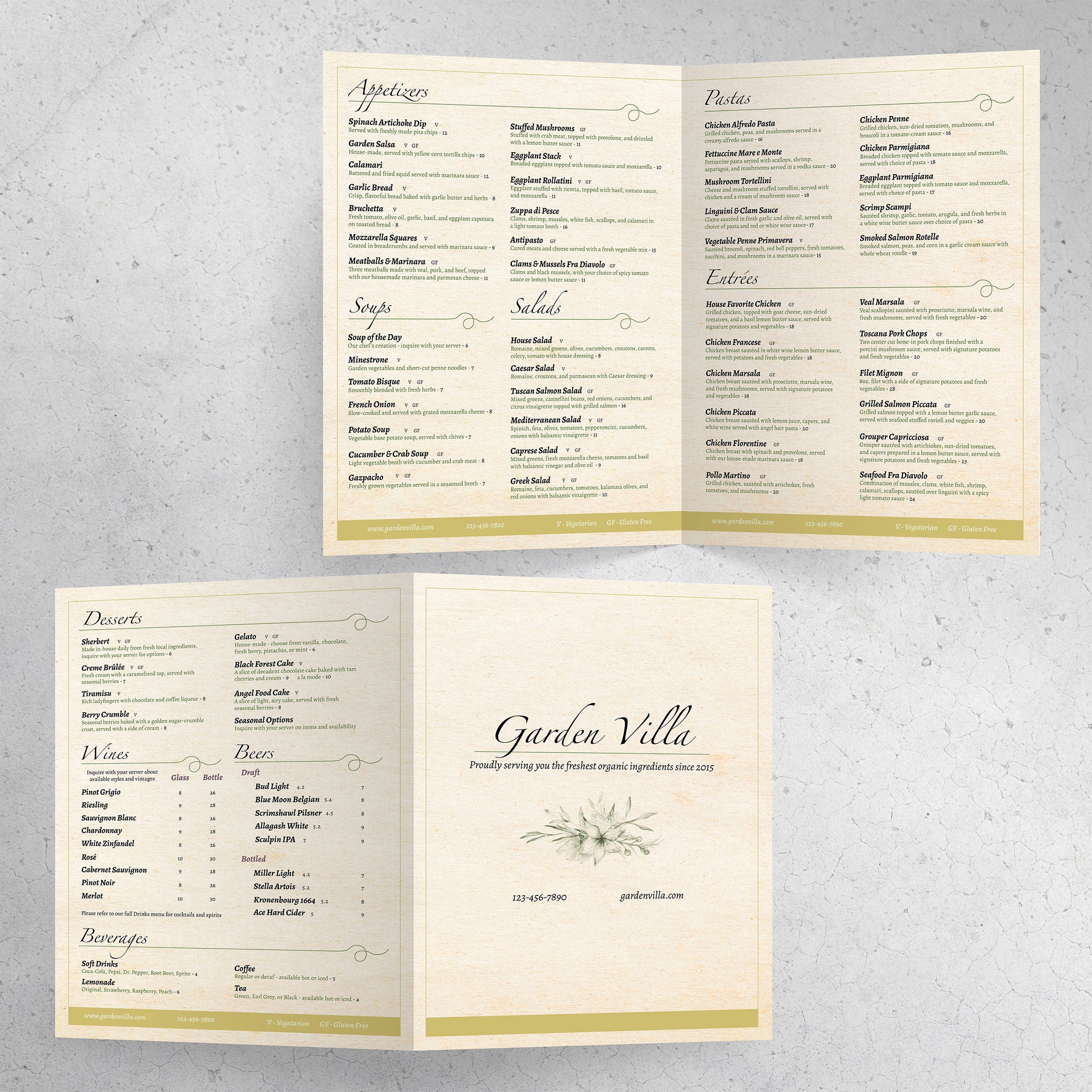
Many Italian menus work best in folded formats, especially when you separate pasta, pizza, wine, and desserts into different panels. Menus that use lamination typically cannot be folded without cracking or peeling at the fold lines. Our waterproof menus support folding options like bi-folds and tri-folds, allowing Italian restaurants to use structured layouts without the durability problems that laminated menus often develop.

Which Thickness Options Fit Different Menu Styles

Different Italian concepts need different menu feels. A lighter cafe menu may need a thinner option, while a full dinner menu benefits from a stronger, more substantial menu. We offer multiple thickness options, including 5 Mil, 8 Mil, 10 Mil, and 14 Mil. Thicker menus provide a sturdier feel and can better support high handling, while thinner menus work well for short menus or inserts. For 14 Mil, printing may require a commercial press or a high-quality printer.

How Faster Reprints Keep Seasonal Items Current

Italian menus often change with seasons, wine updates, and rotating pasta specials. That means reprints need to be fast and consistent. We provide industry-leading turnaround and fast shipping, which helps restaurants update menus without long delays. Instead of living with worn laminated menus that cloud up or peel, restaurants can keep menus looking clean, modern, and professional while making updates as needed.

Italian menus come in various styles, ranging from concise trattoria menus to comprehensive, multi-page course-based menus with extensive wine selections. Choosing the right format significantly impacts readability, guest experience, and the ease with which staff can maintain and update the menu. The best format depends on the number of items you serve, how often your menu changes, and whether guests need to hold the menu or view it from a distance.

Single-Page Menus for Smaller Italian Concepts

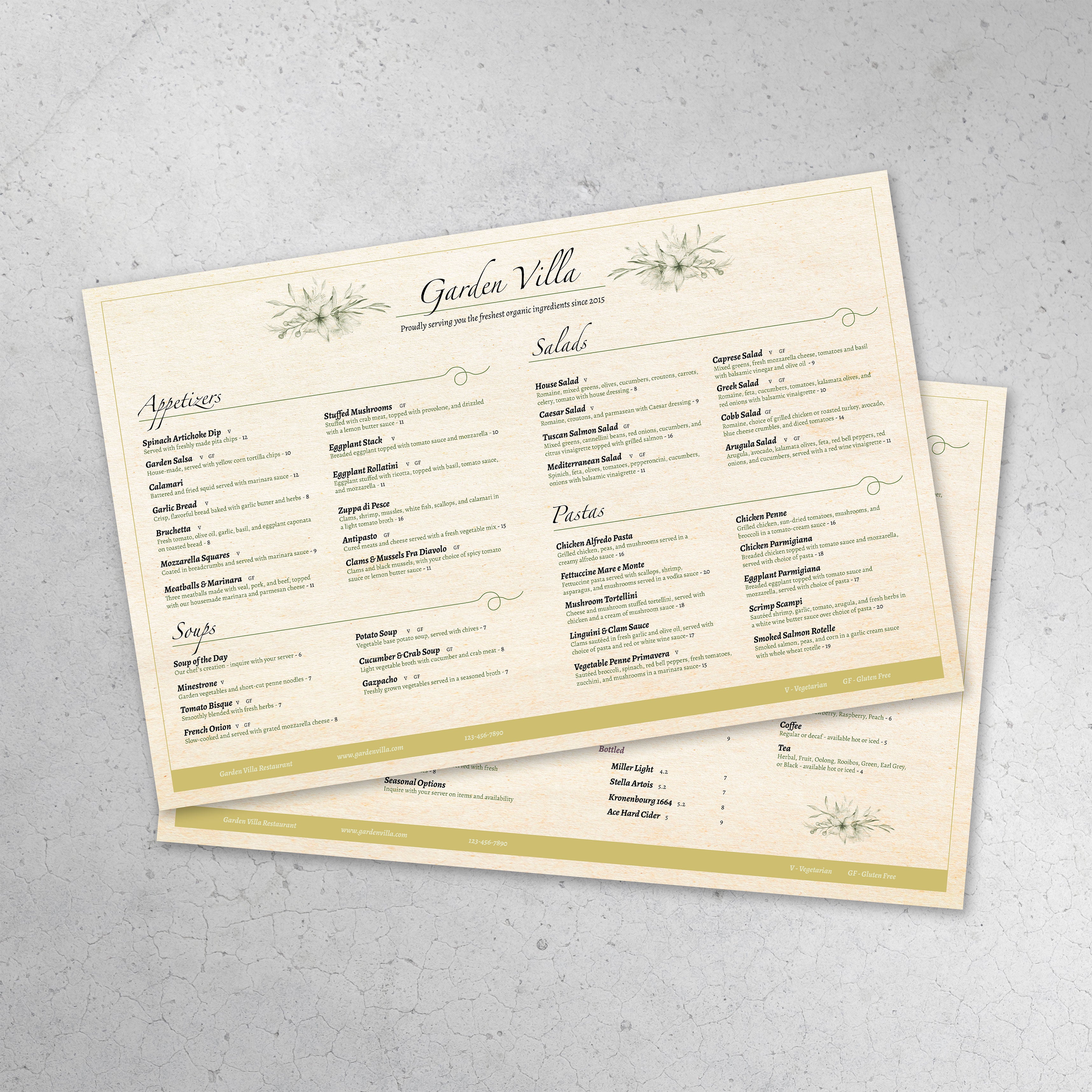
Single-page menus work well for small Italian concepts with a focused selection of antipasti, pasta, pizza, and a few mains. This format keeps the dining experience simple and helps guests decide quickly without flipping pages. Single-page menus also make updates easier because changes can be made without reprinting multiple sheets. For cafes or fast-casual Italian restaurants, this format supports speed and reduces confusion.

Multi-Page Menus for Larger Course-Based Menus

Larger Italian restaurants often offer extensive primi and secondi options, along with multiple contorni and dessert selections. In these cases, a multi-page format prevents crowding and allows each course section to be properly spaced. This is especially helpful when dishes require short descriptions or when the menu includes a large number of specialty items. Multi-page menus help guests take their time and explore without feeling overwhelmed by one dense page.

Folded Menus for Wine and Dinner Pairings

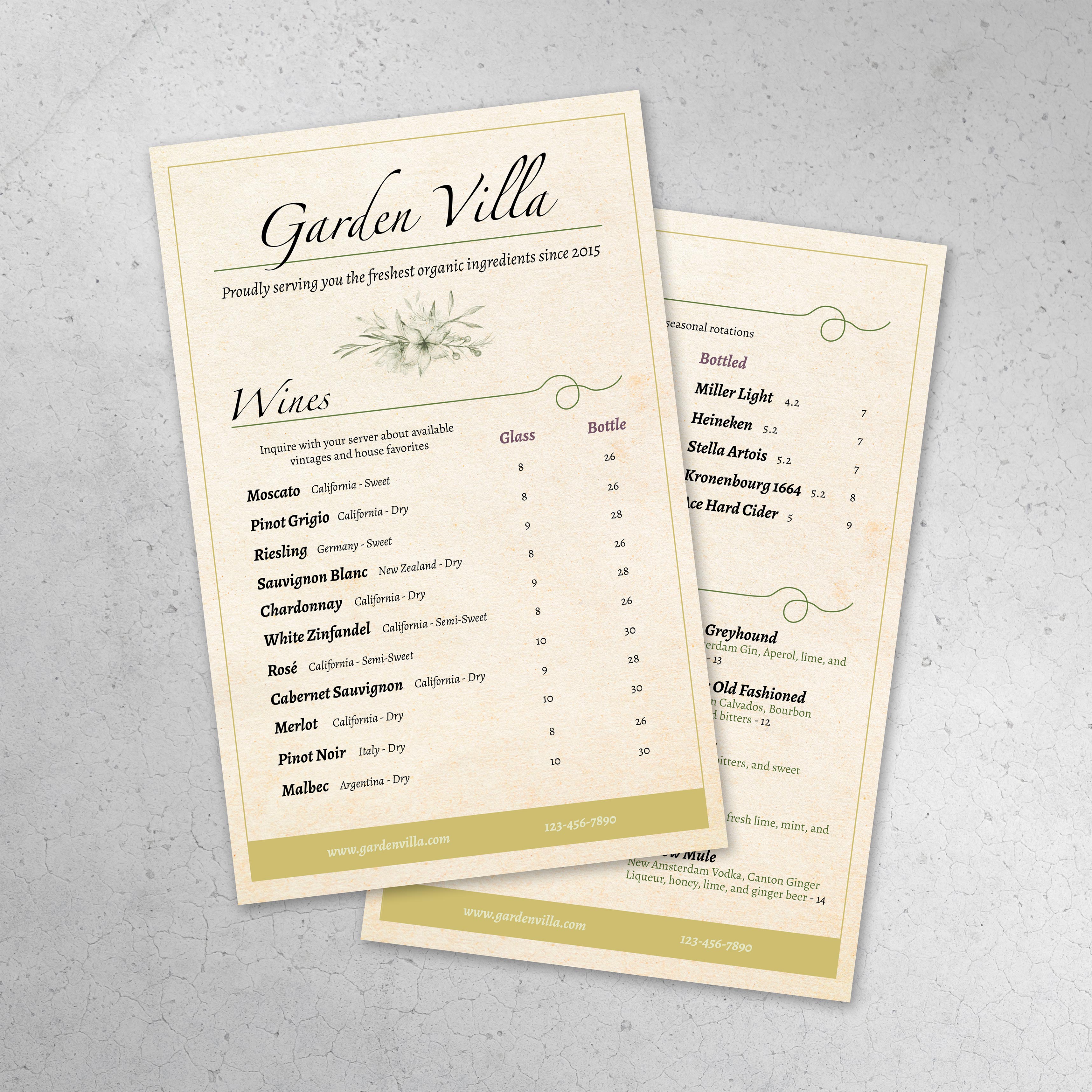
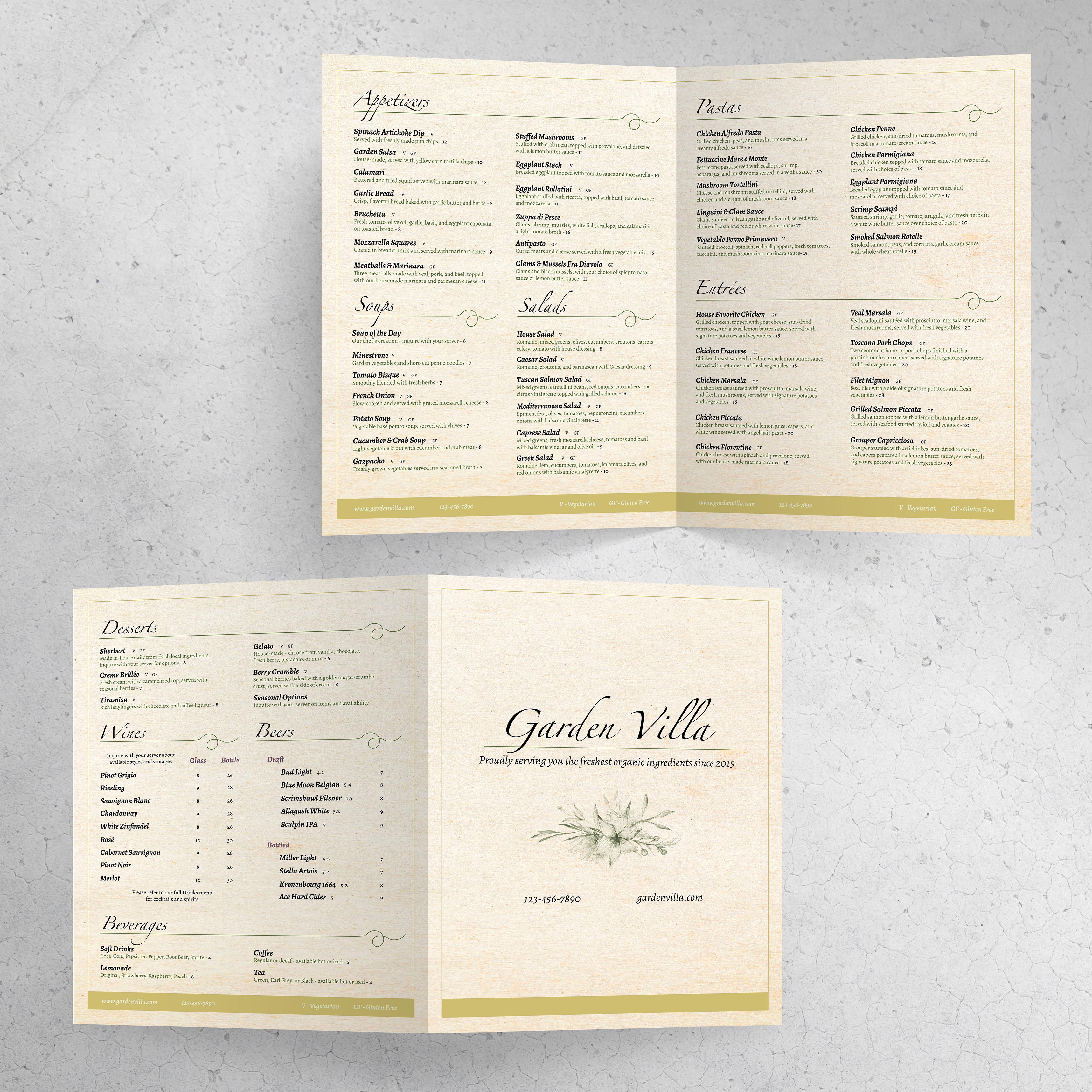
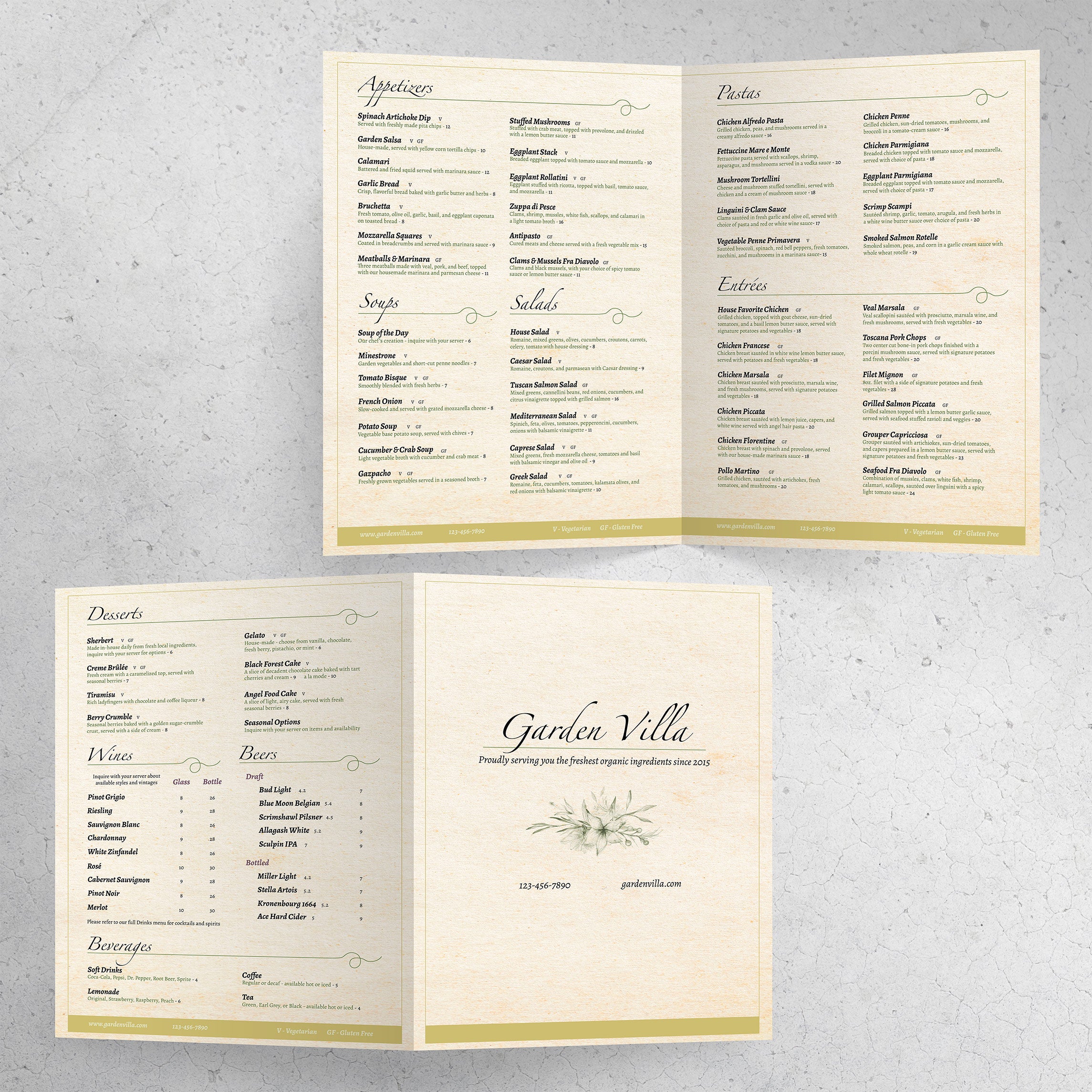
Folded menus are ideal when you want to organize content into panels, such as separating dinner offerings from wine pairings or listing specials without interrupting the core menu flow. Folded formats can also improve presentation for upscale Italian concepts, because the layout feels structured and intentional. When panel spacing is done correctly, guests can navigate each section smoothly while still holding a compact menu.

Wall Menus for Pizzerias and Casual Counters

Pizzerias and counter-service Italian spots often benefit from wall menus. A wall menu allows guests to browse while waiting in line, which speeds up ordering and reduces bottlenecks at the register. Wall menus work best when they are simple, with strong category headers and minimal descriptions, since guests are reading from a distance. This format also helps staff point customers toward house pizzas and combo offerings quickly.

A simple Italian menu should make guests feel confident ordering, even when the menu includes regional names, Italian terms, and ingredient-heavy dishes. Strong formatting helps guests compare options quickly, while clean, consistent wording makes dishes feel premium without overwhelming the layout. When the menu reads smoothly, guests order faster, ask fewer questions, and are more likely to add appetizers, sides, and desserts.

Simple Dish Descriptions That Still Sound Premium

Descriptions should be short but meaningful. A strong Italian menu description focuses on the key ingredients and the dish style rather than long storytelling. For example, listing a sauce type, primary protein, or signature ingredient helps guests understand what they’re ordering in one line. Overly long descriptions slow scanning and make the menu feel crowded, especially when multiple pasta dishes are listed back-to-back.

When to Use Italian Terms and When to Translate

Italian terms add authenticity, but clarity should come first. Well-known terms like “bruschetta,” “carbonara,” and “margherita” usually need no translation. Regional or less familiar terms can be supported with a brief explanation in English. This keeps the menu approachable while still retaining its Italian character. A good rule is to keep the dish name in Italian and explain ingredients in plain language.

Price Formatting That Keeps the Menu Clean

Price placement should be consistent across every section. When prices are aligned and formatted the same way throughout the menu, guests compare options faster. Avoid mixing styles, such as some prices on the right and others under descriptions. Consistency also reduces perceived confusion and helps guests feel more comfortable ordering higher-priced dishes because they can evaluate options easily.

Highlighting Signature Dishes Without Overdesigning

Signature dishes should stand out, but the menu should not feel like everything is featured. A subtle marker, short label, or a small “house favorite” note works better than bolding large blocks of text. Highlighting is most effective when it’s limited to a few items per section. This keeps the menu clean while guiding guests toward best sellers and high-margin dishes.

Handling Allergens and Dietary Notes in A Simple Layout

Allergen and dietary notes should be clear but not overwhelming. Icons can work well when used consistently and explained in a small legend near the bottom of the menu. For ingredient-heavy cuisine like Italian, simple notes such as “contains dairy” or “gluten-free option available” help guests feel confident without turning the menu into a compliance document. The layout should keep these notes subtle so the focus remains on the dishes.