Indian Food Menu Templates

14 products

Showing 1 - 14 of 14 products

Showing 1 - 14 of 14 products
View

Recently viewed

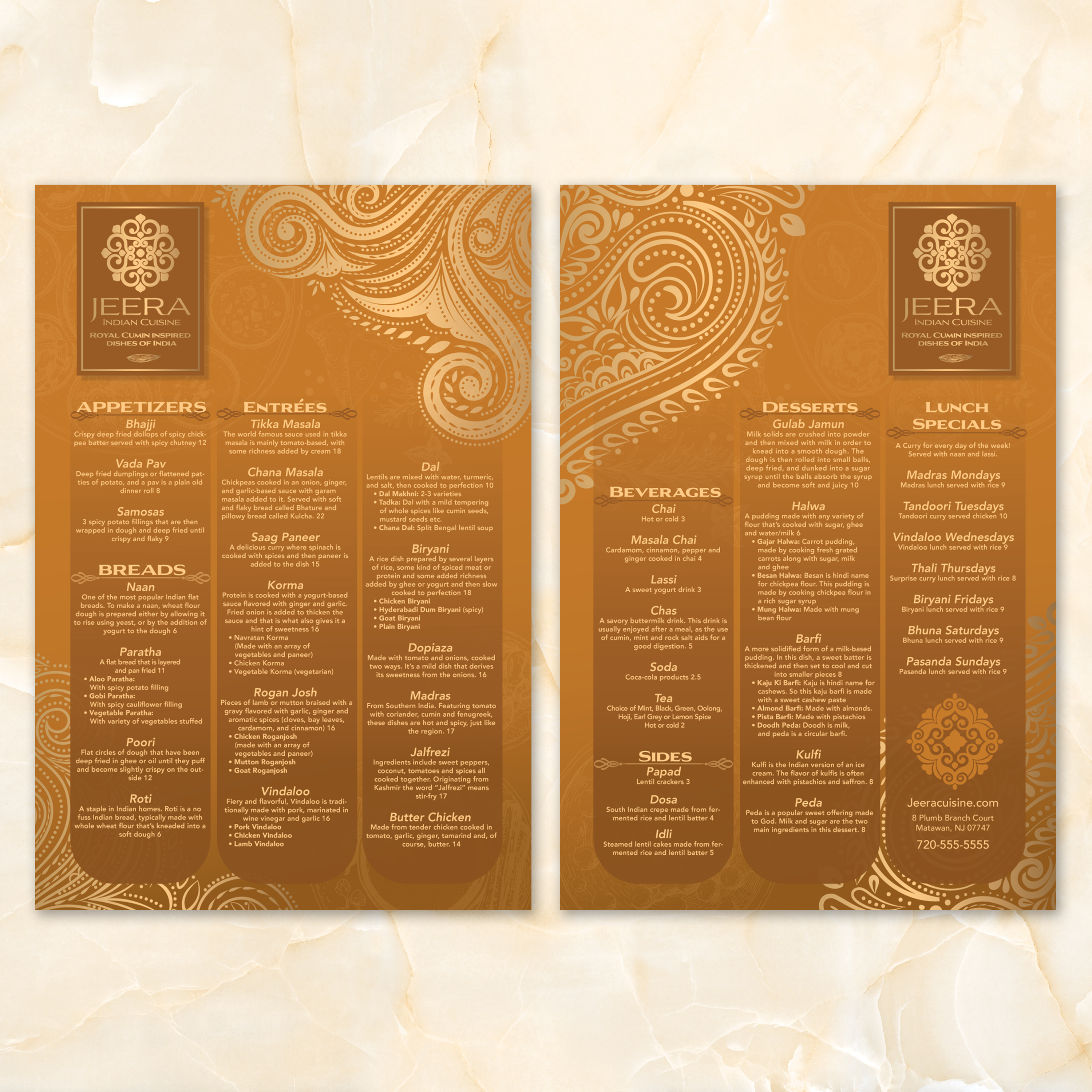
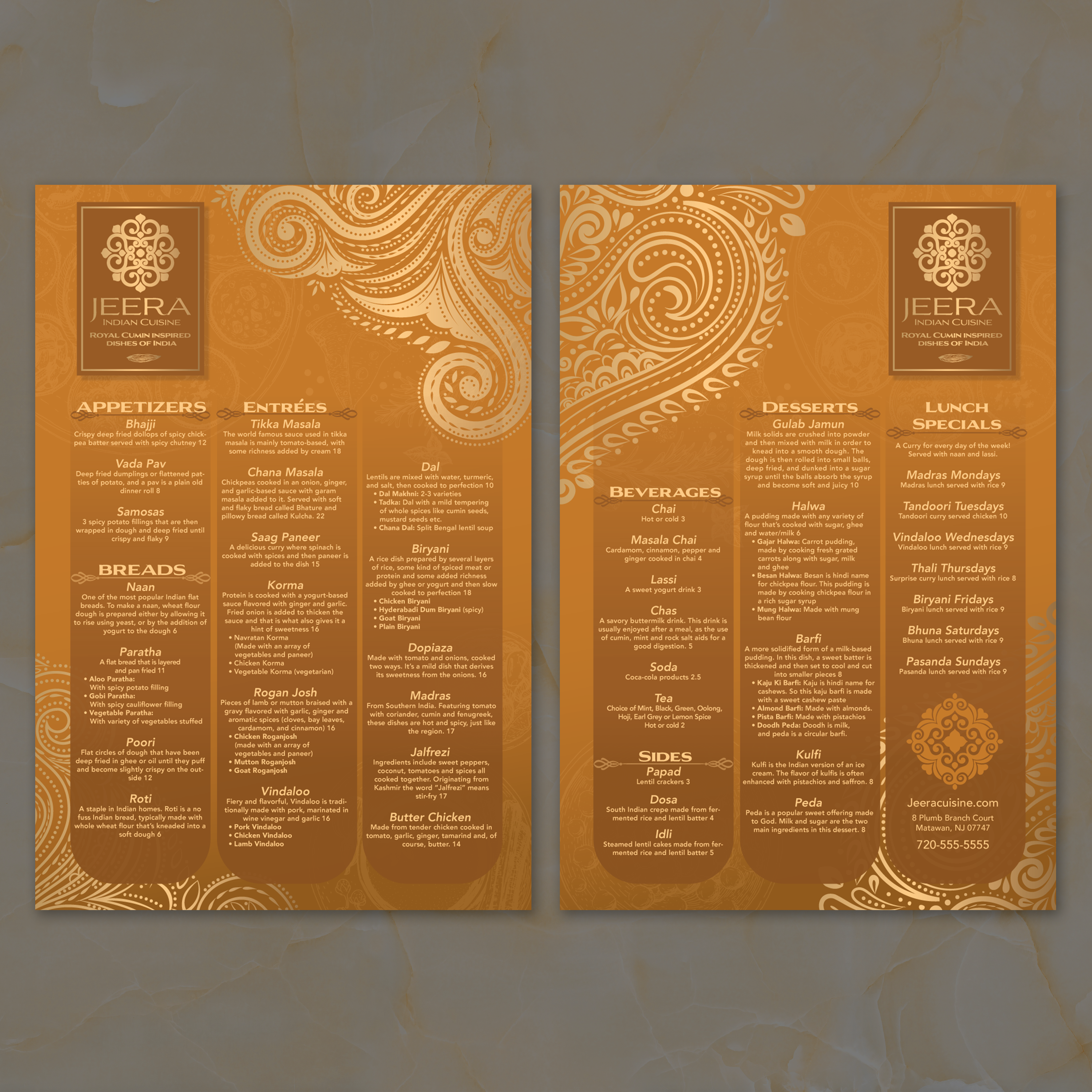
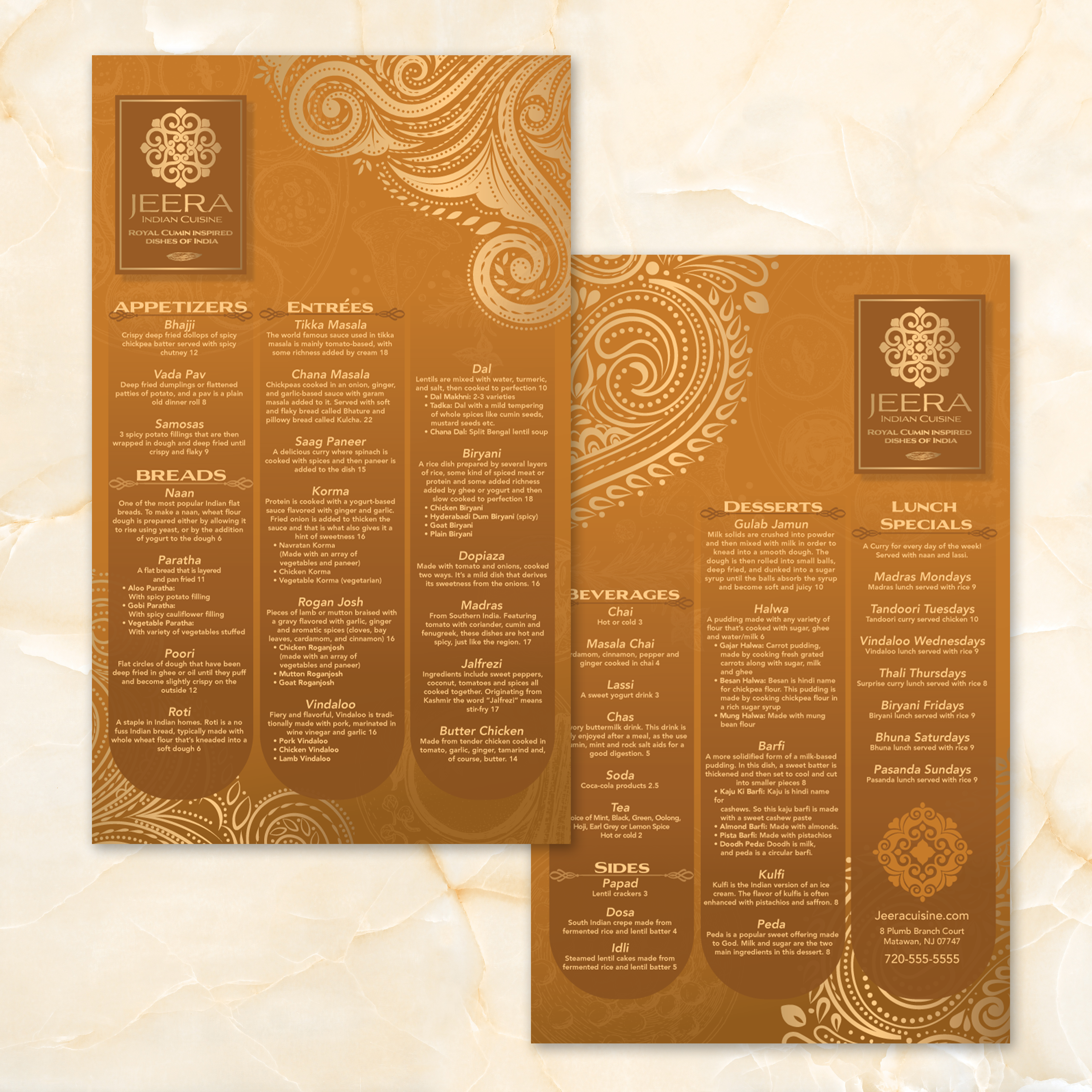
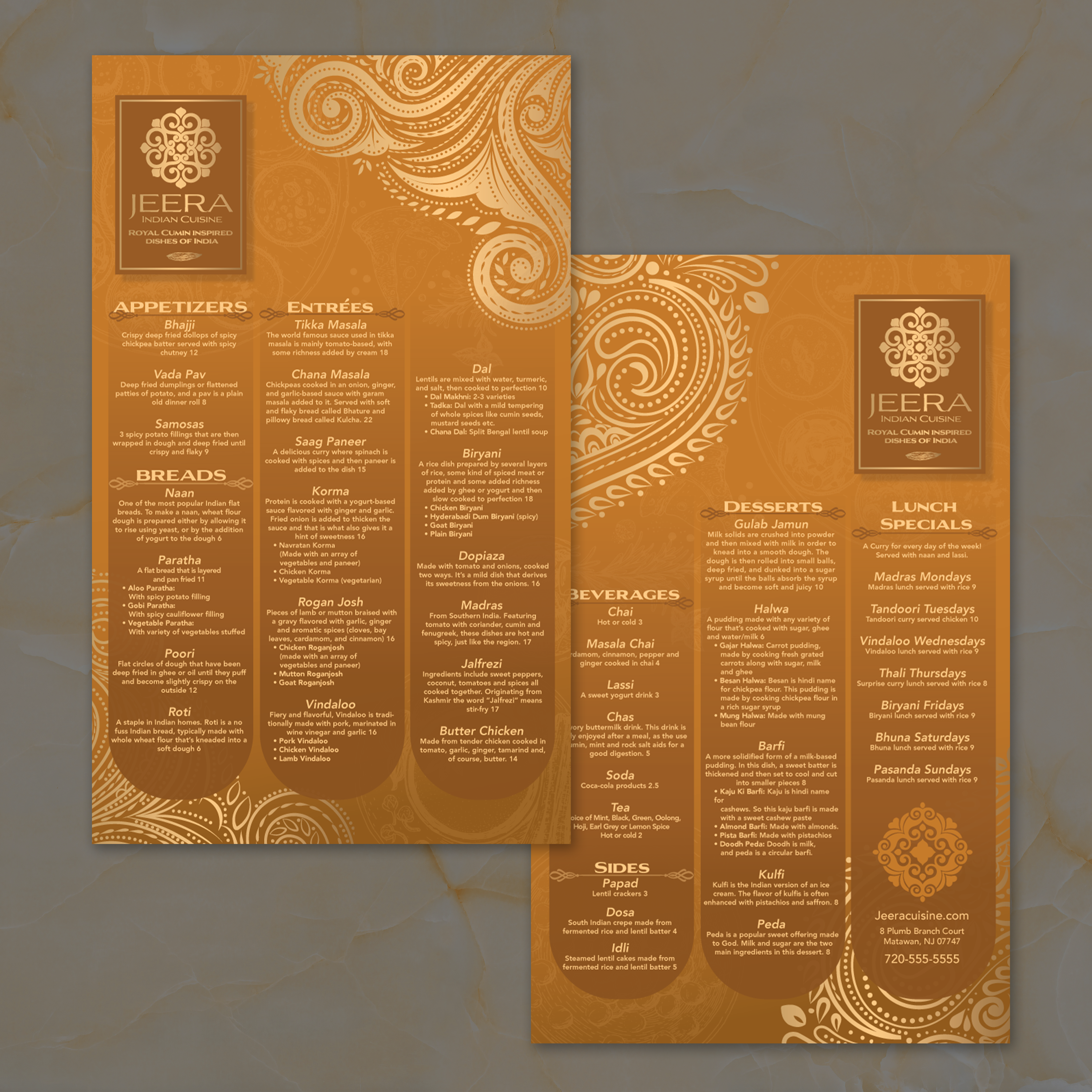
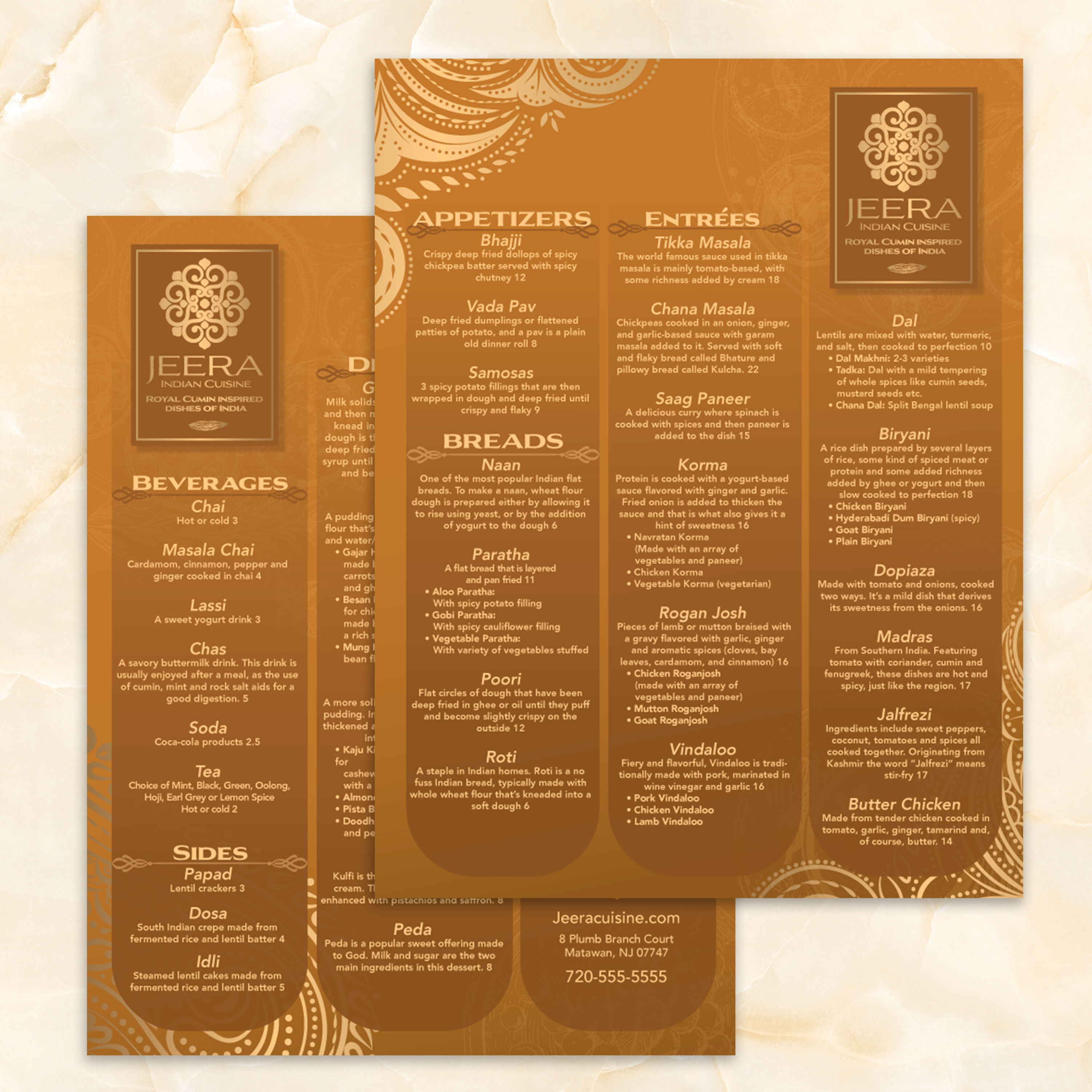
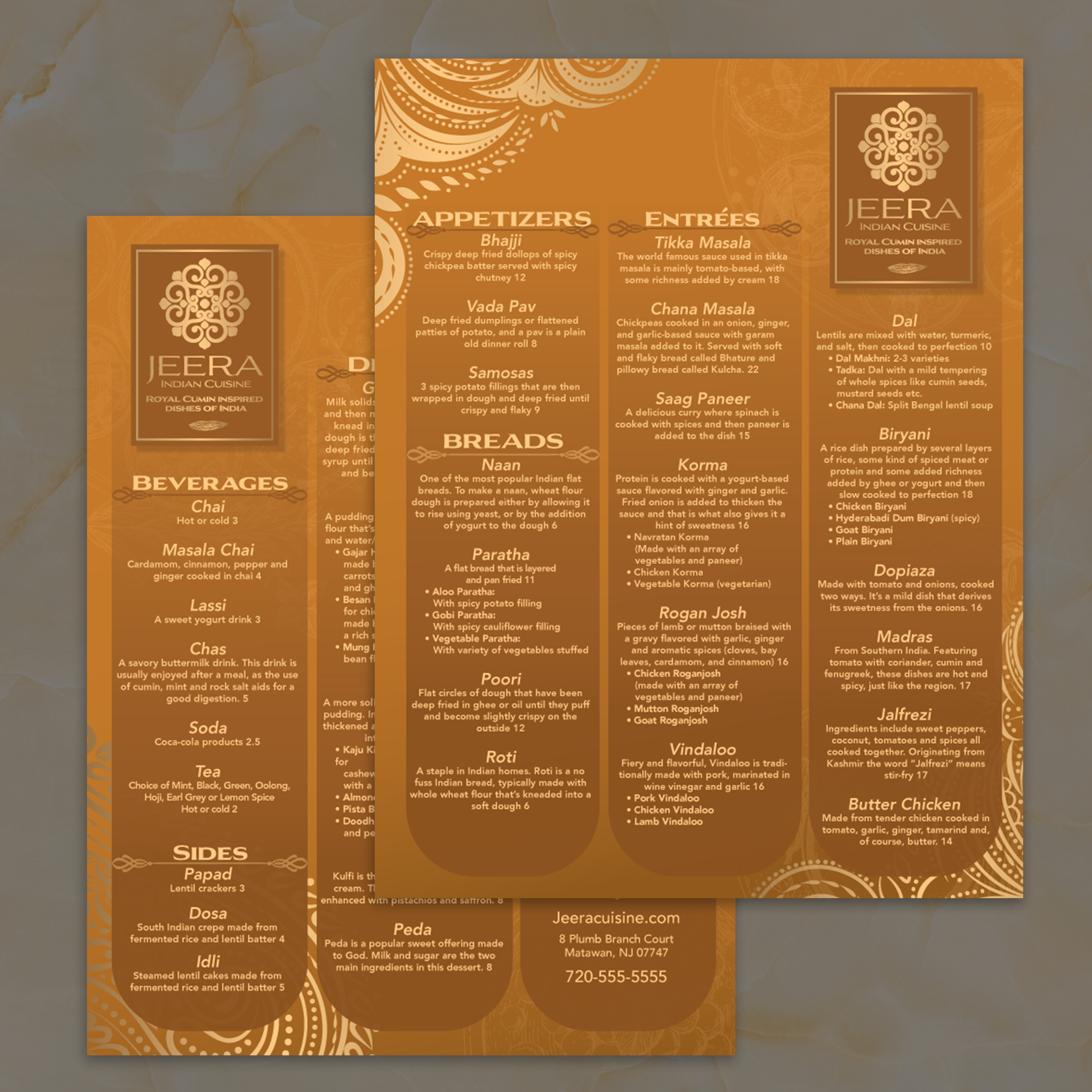
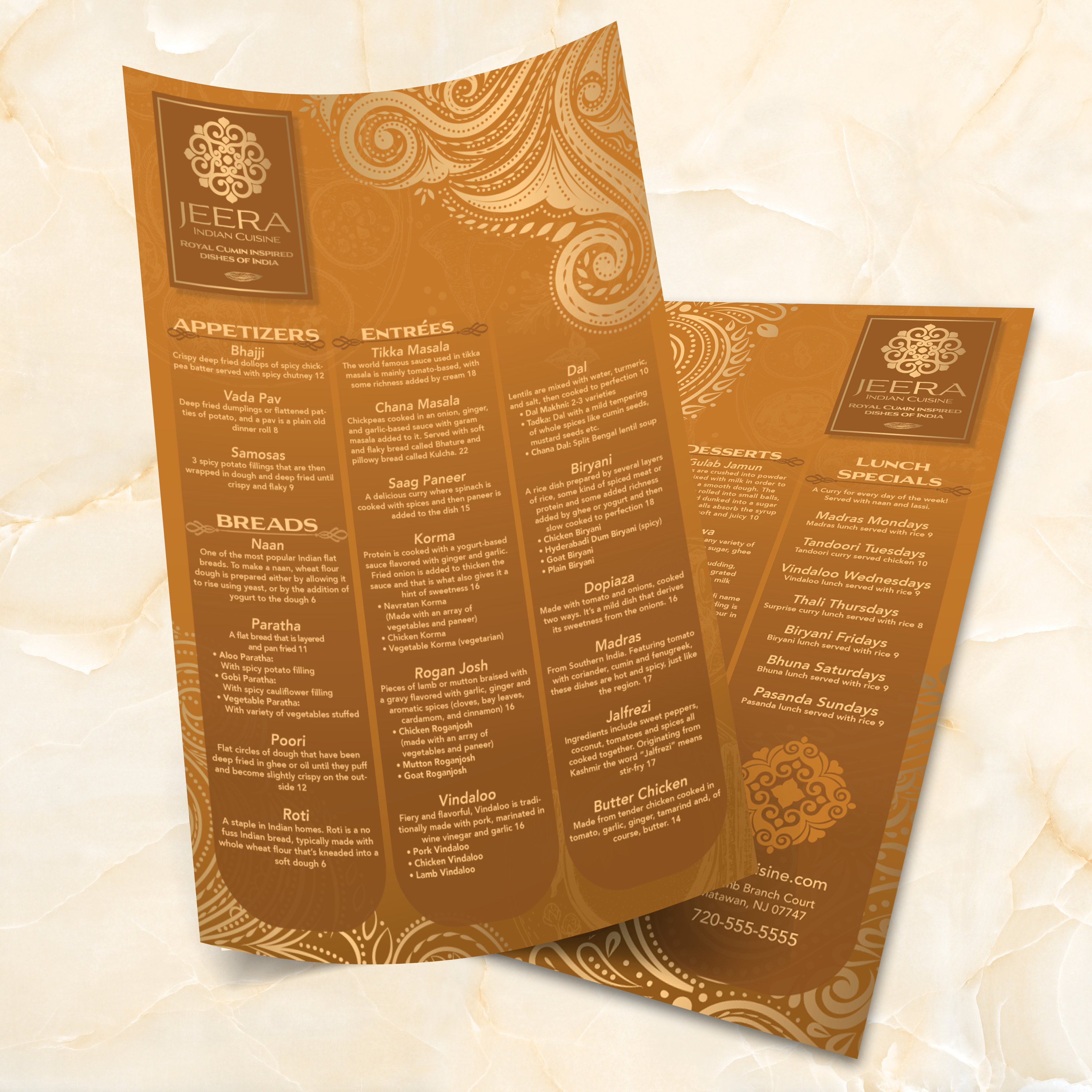
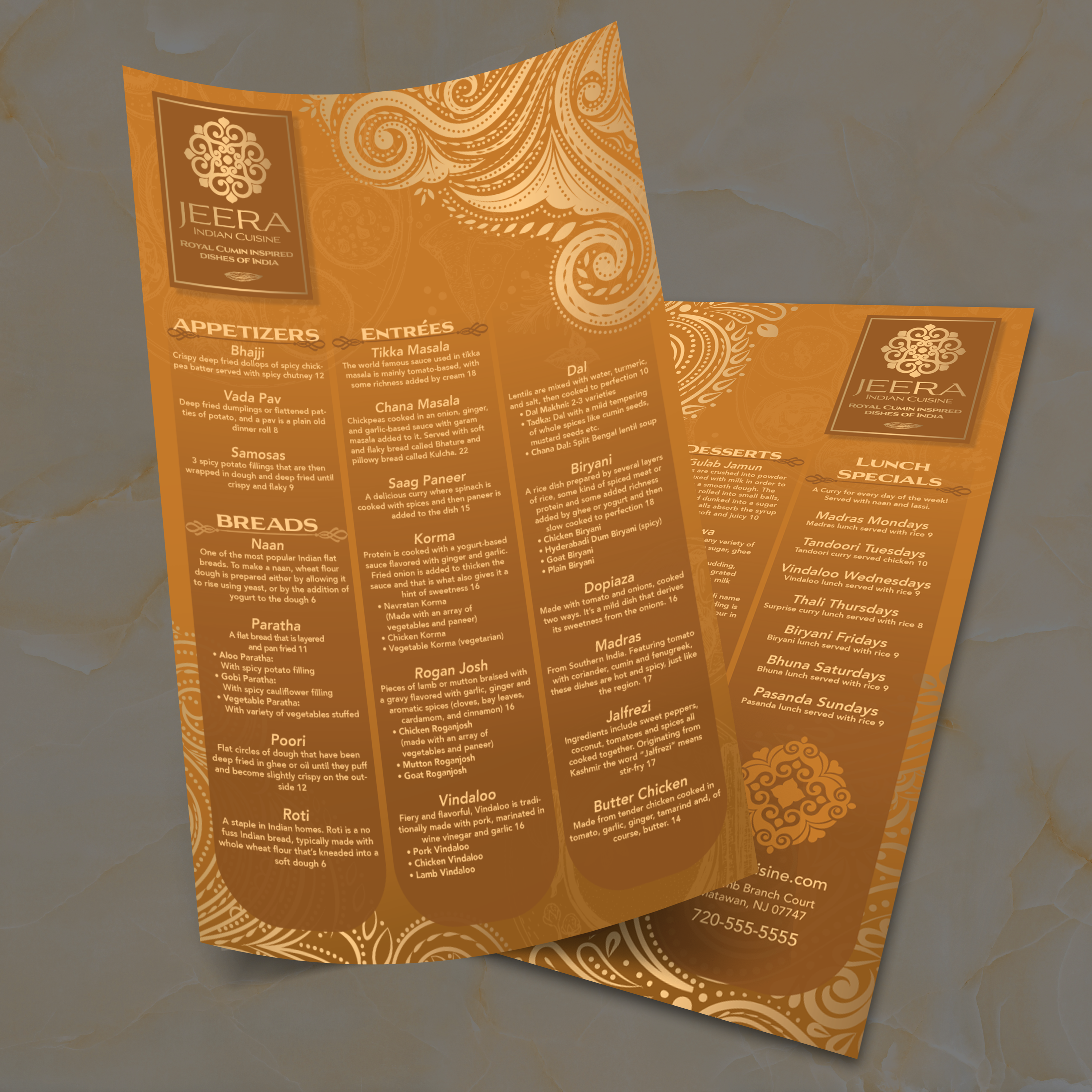
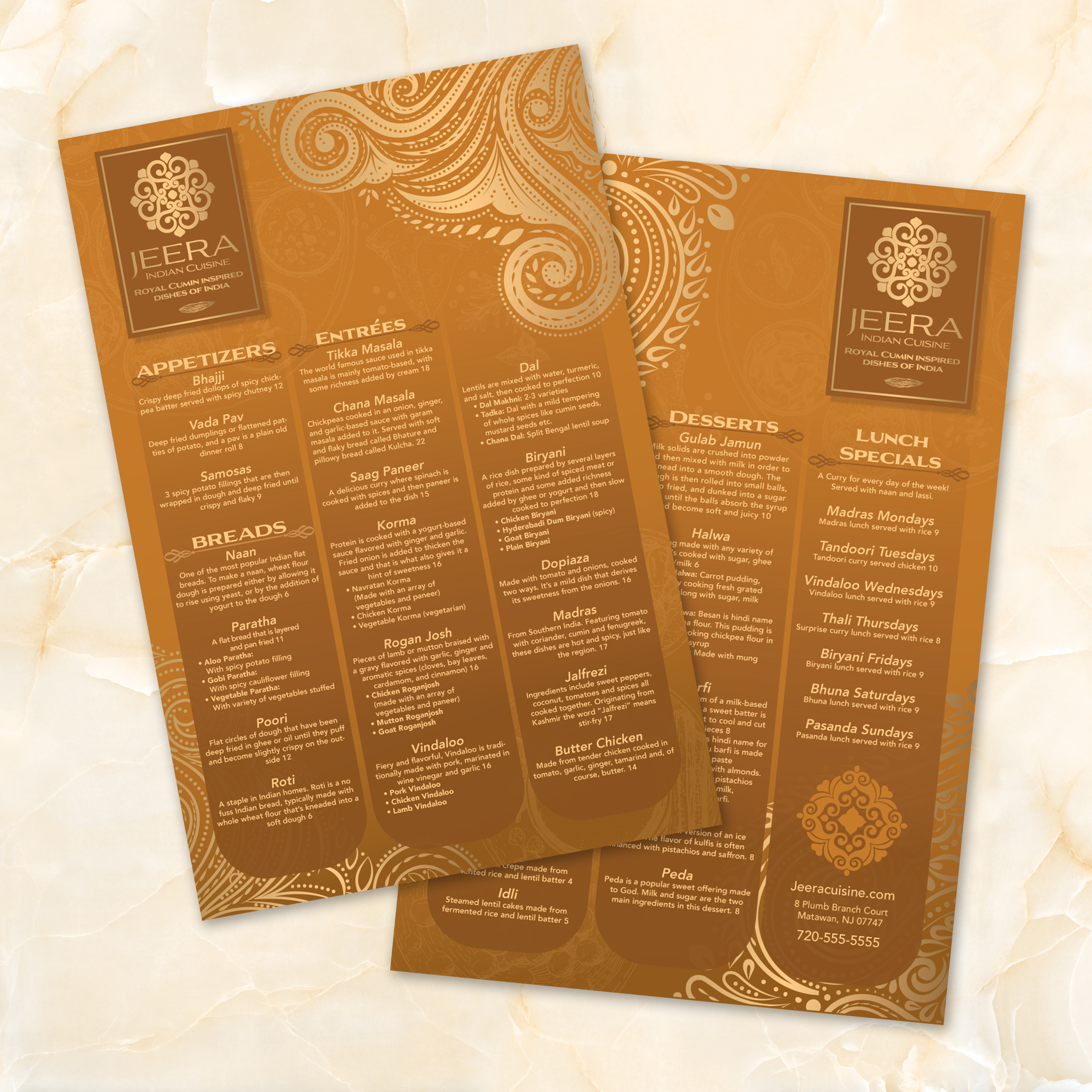
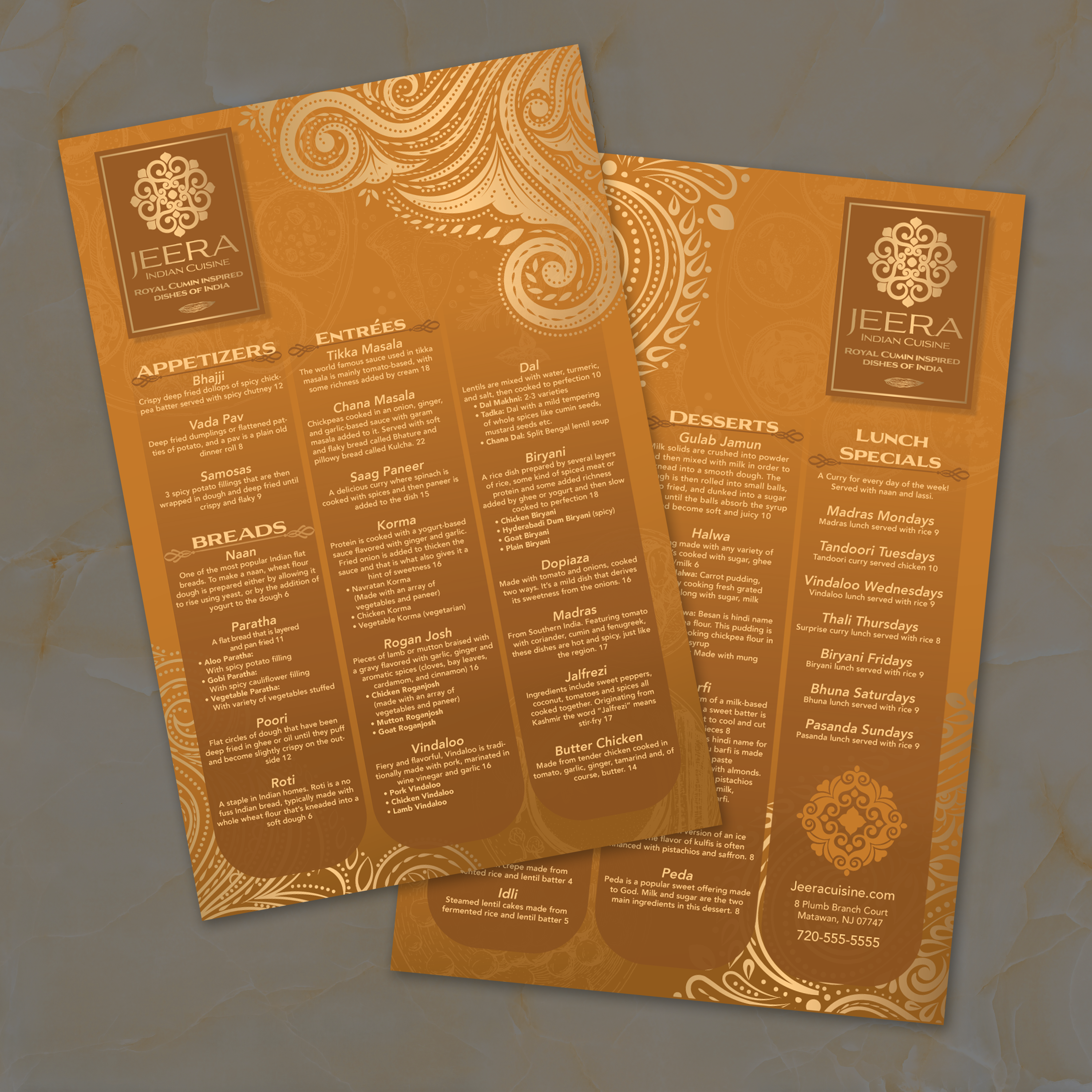
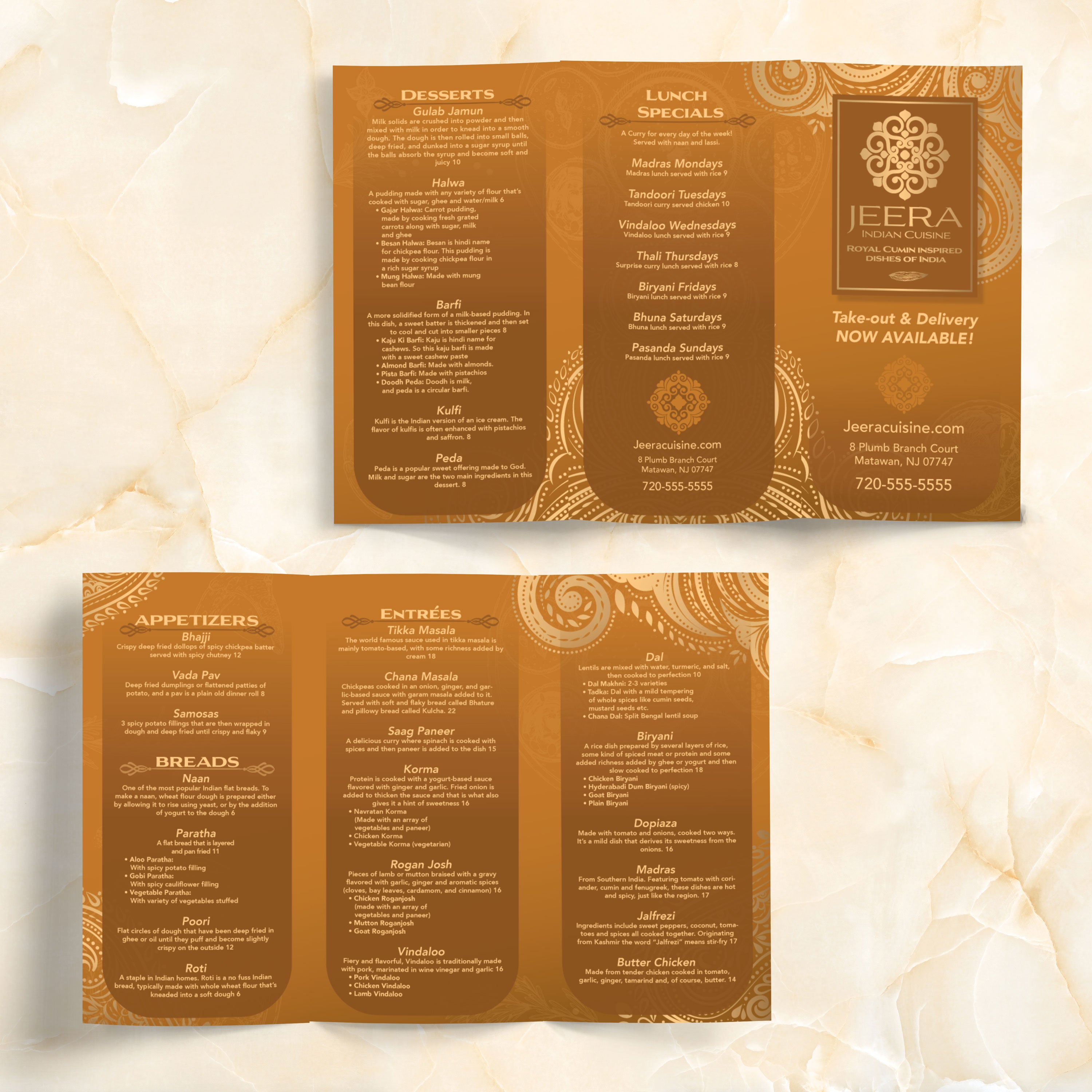
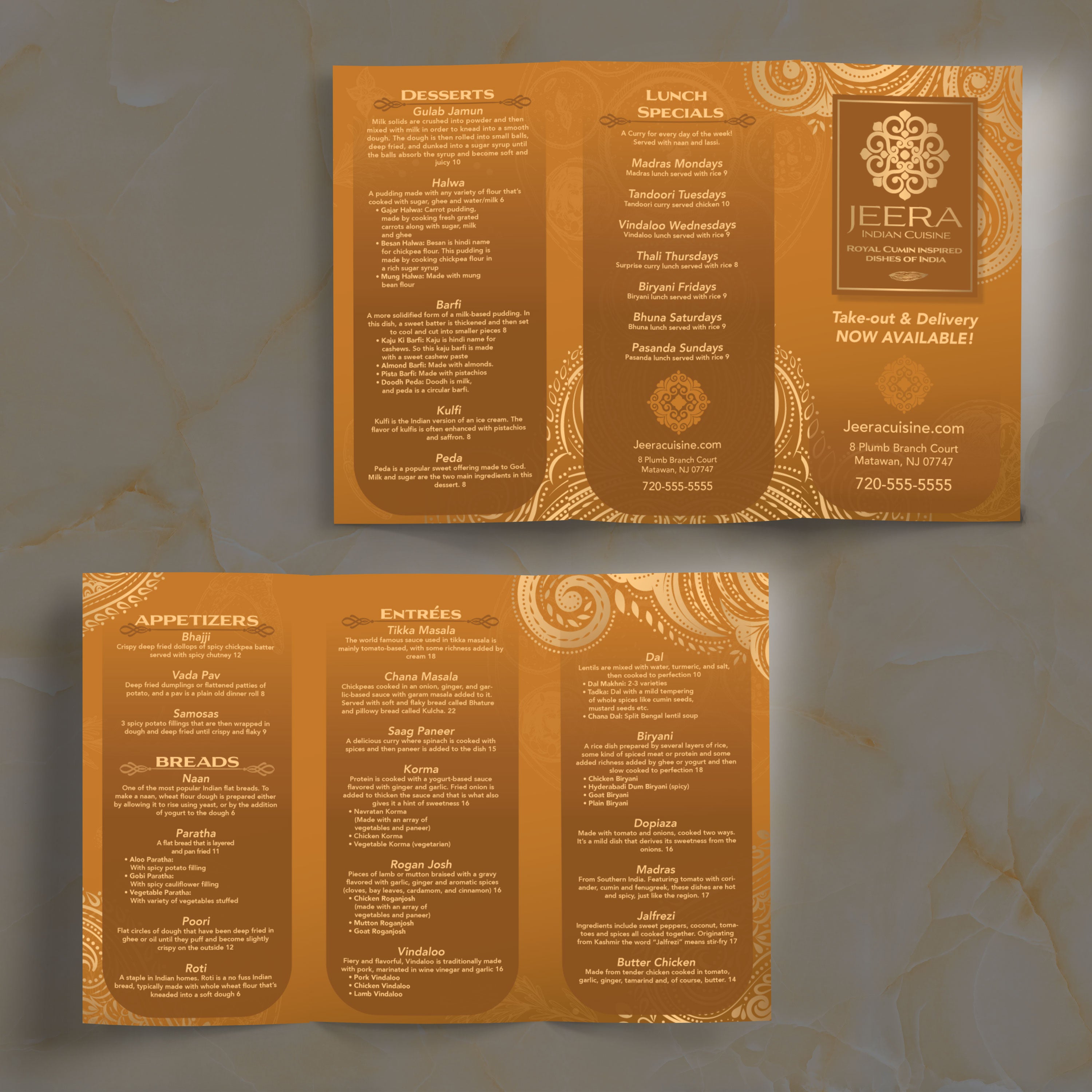
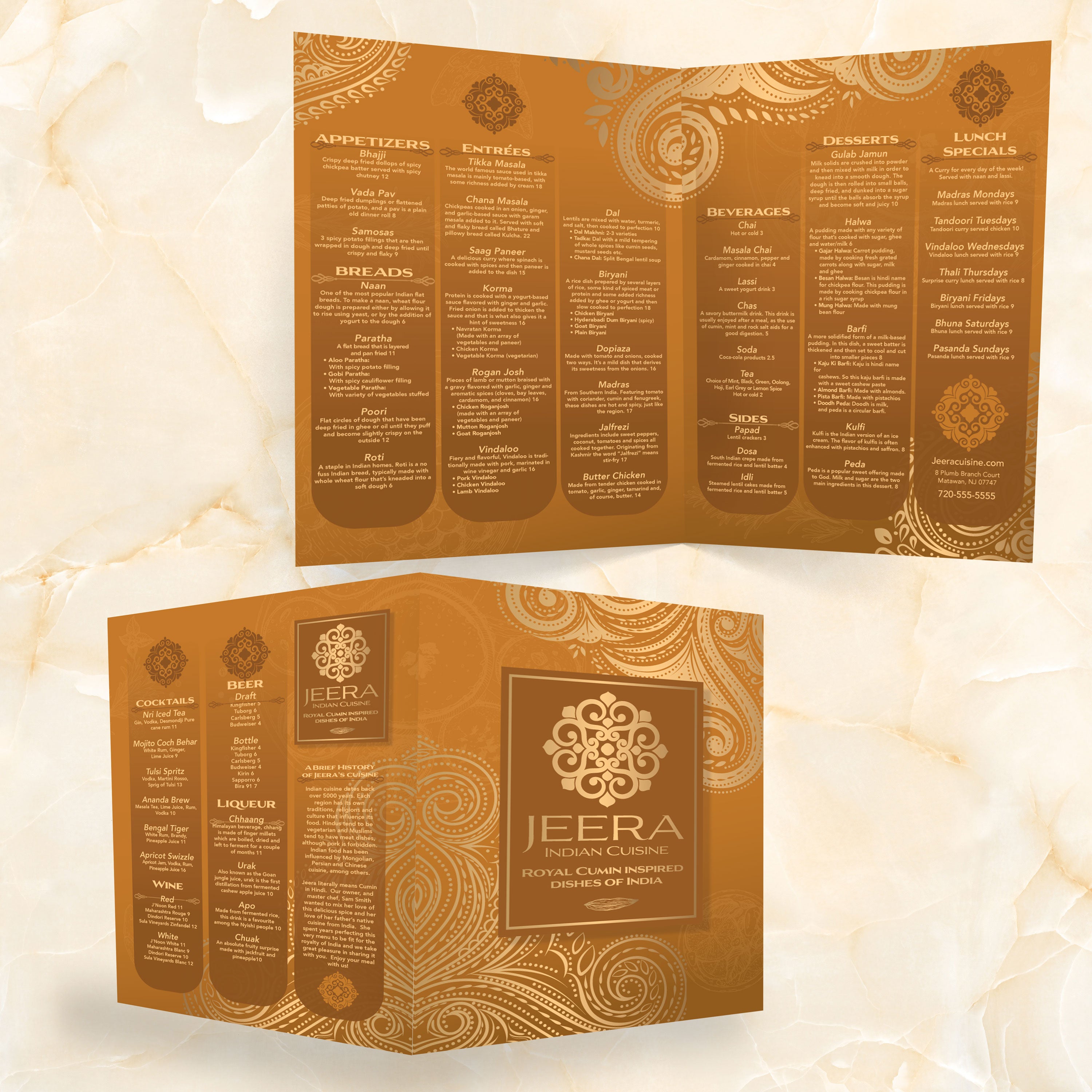
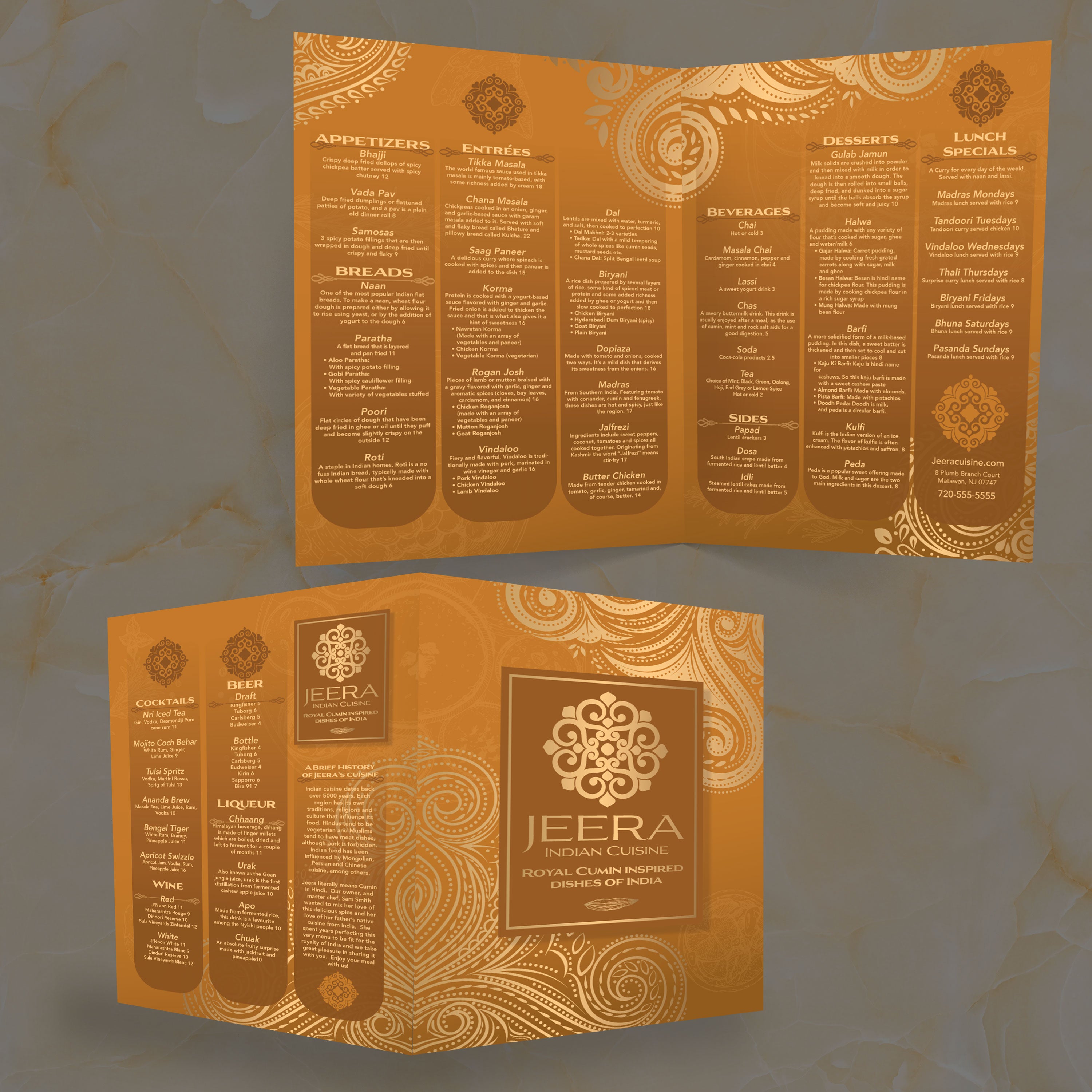
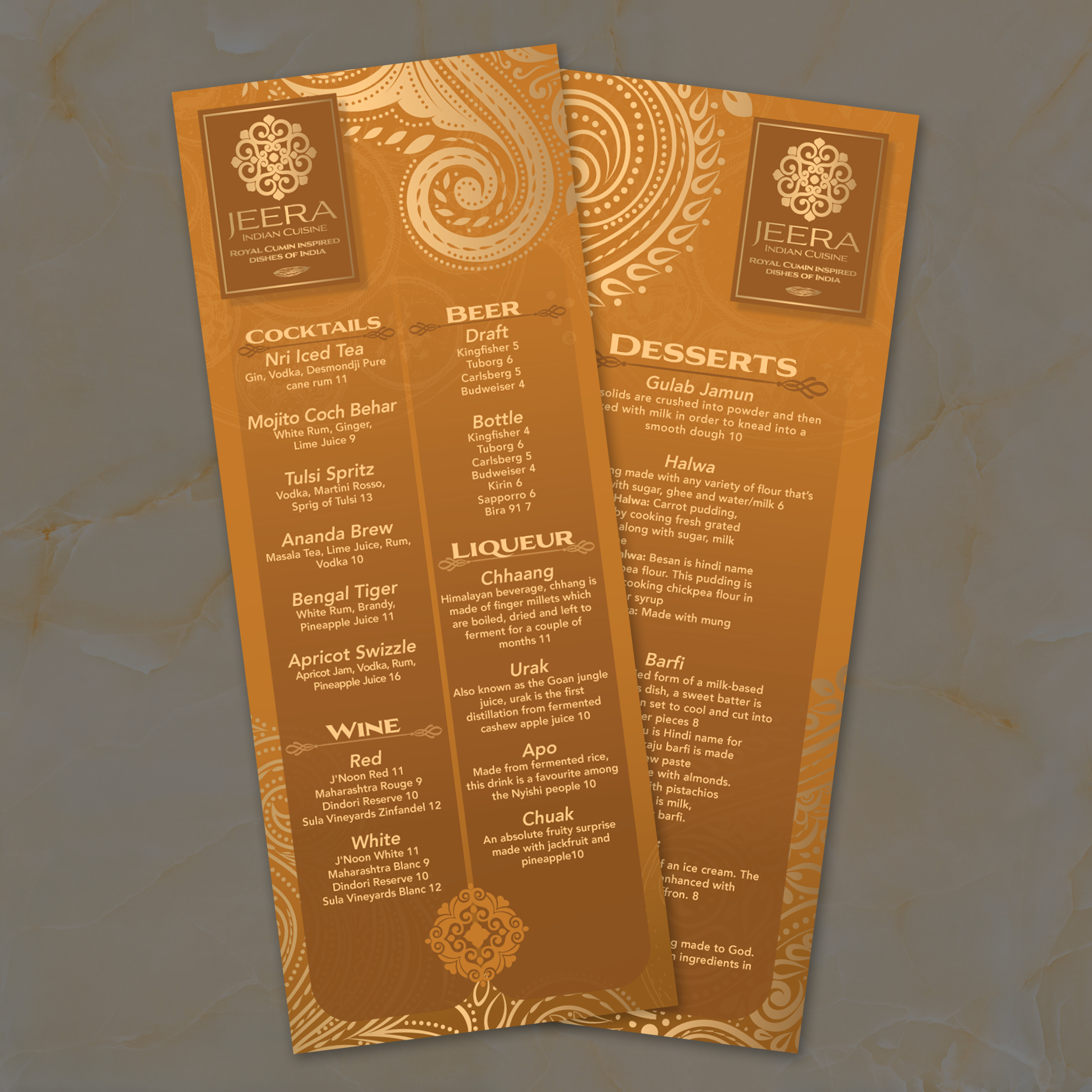
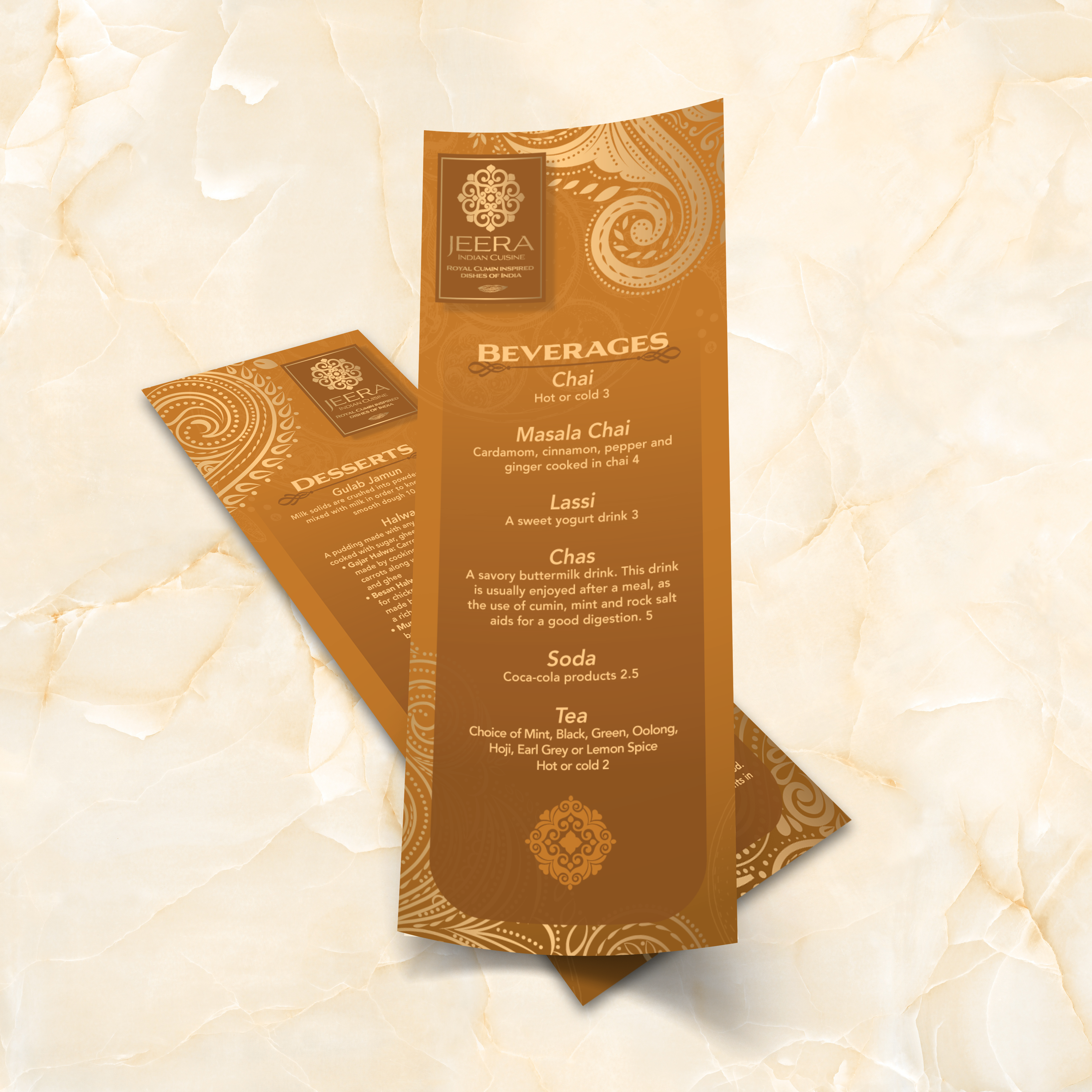
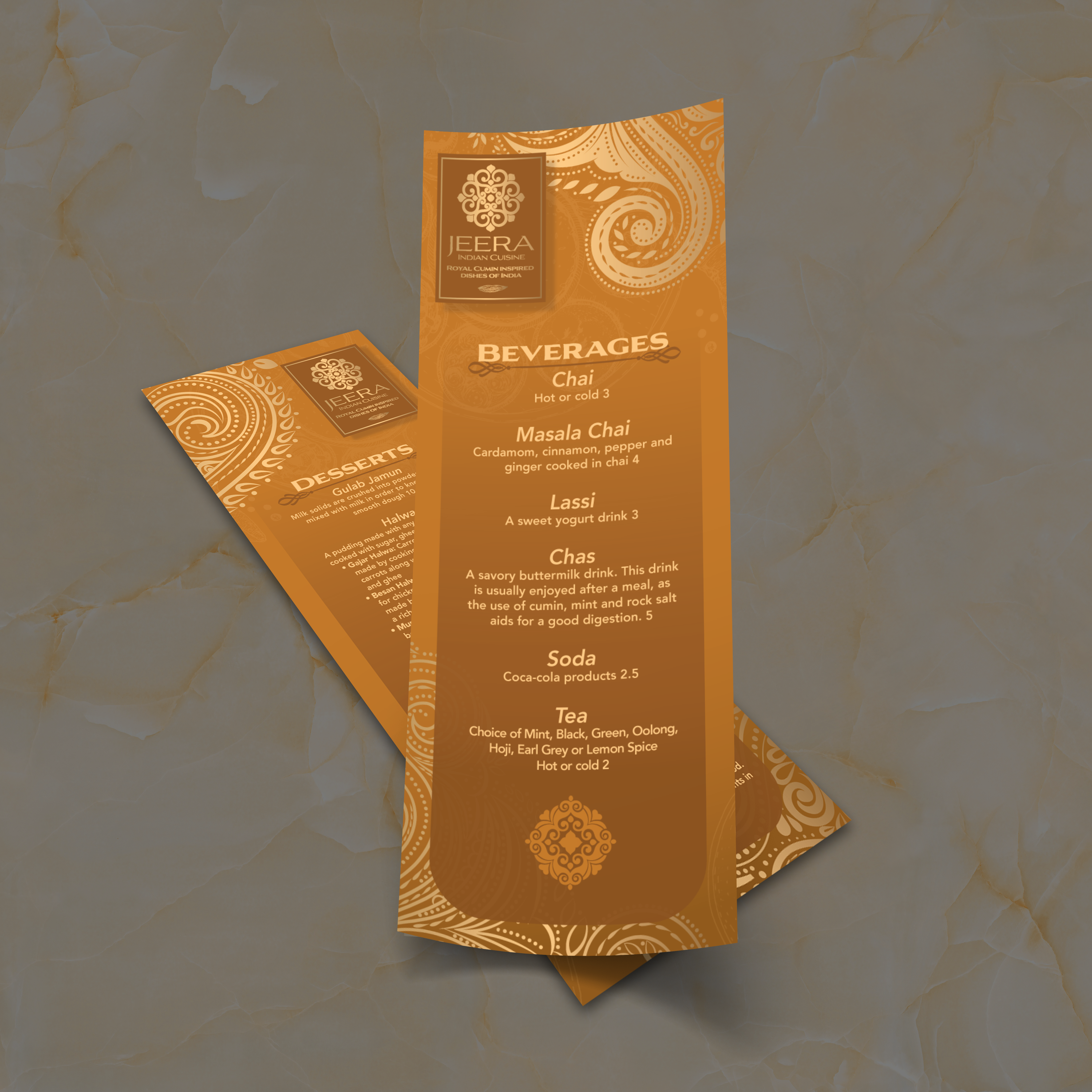
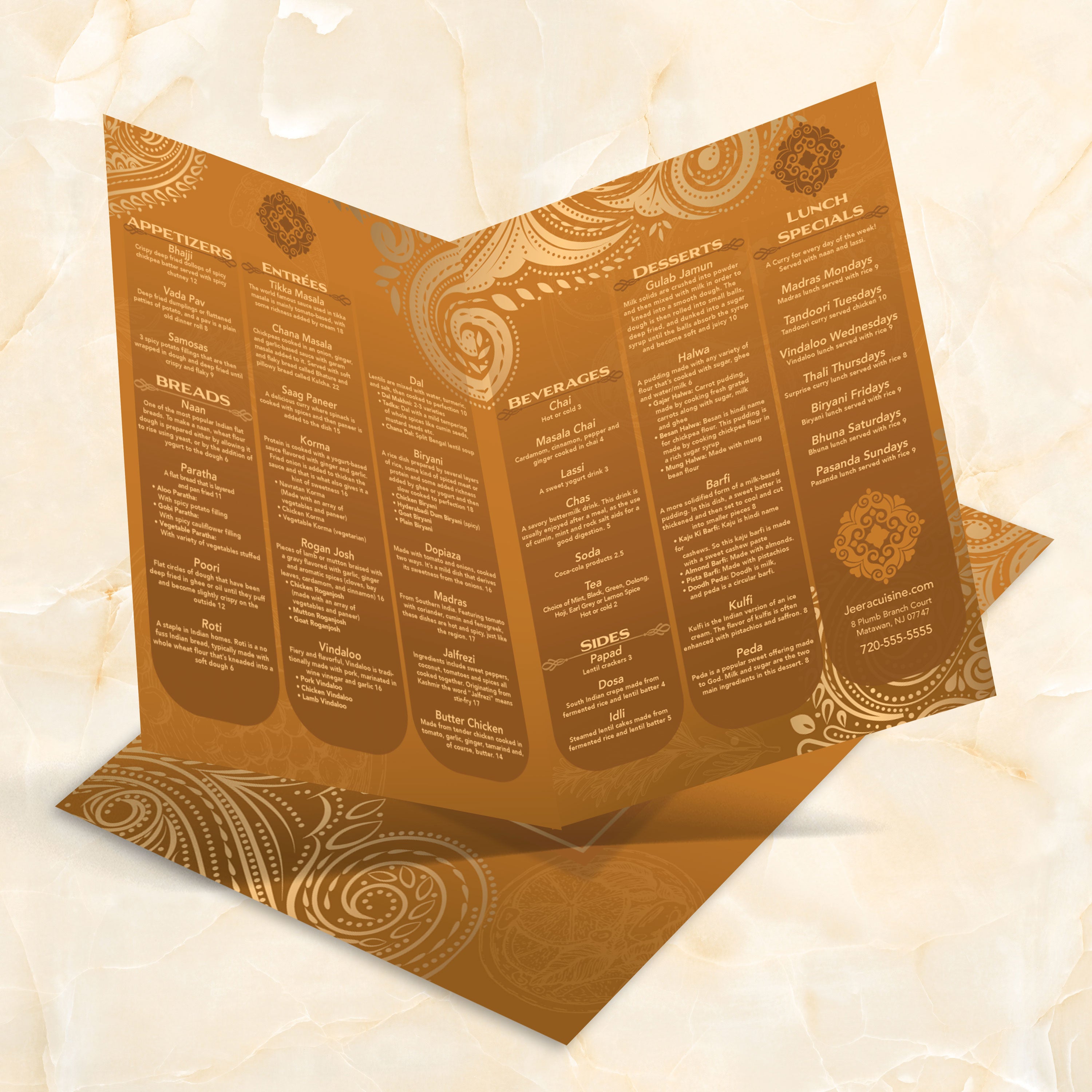
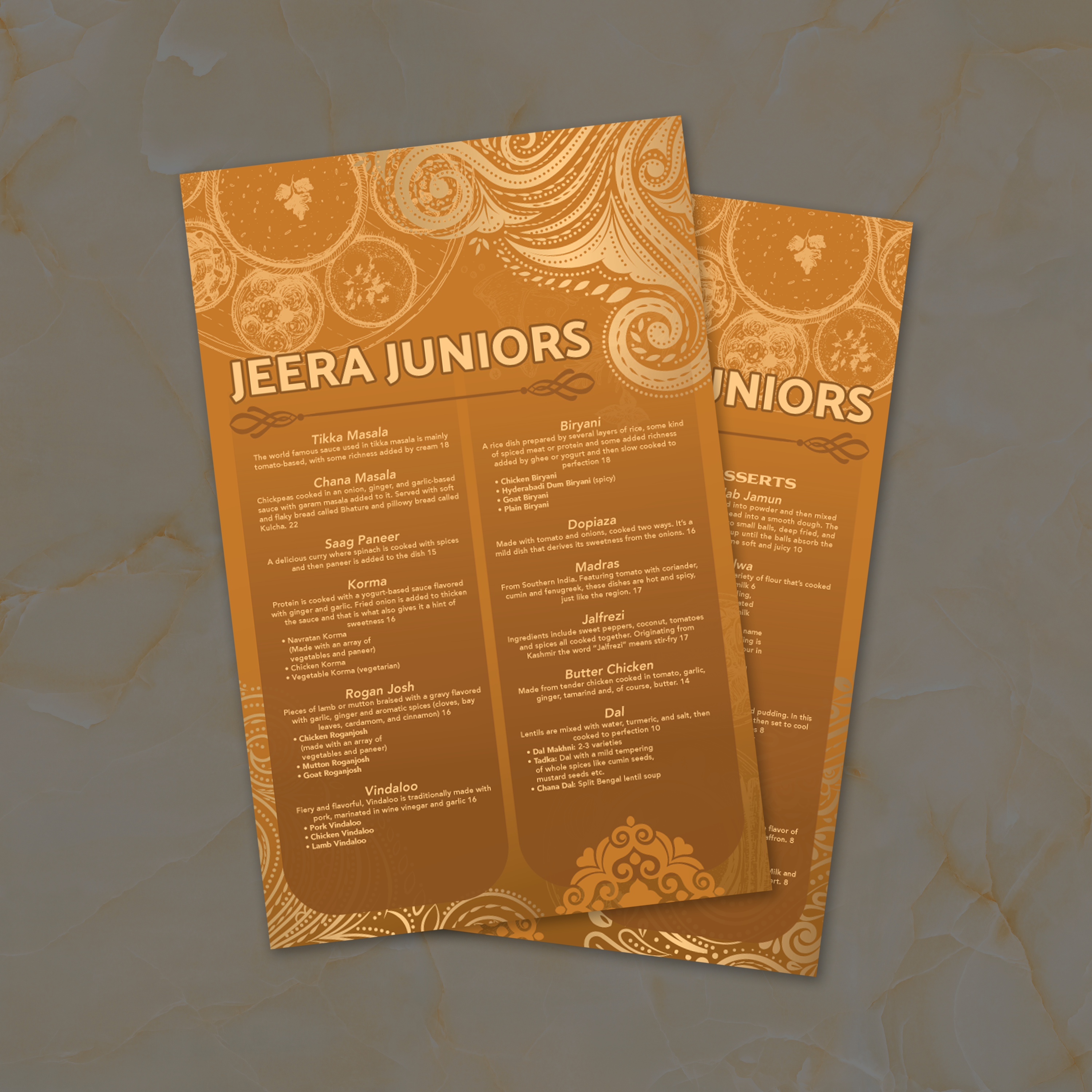
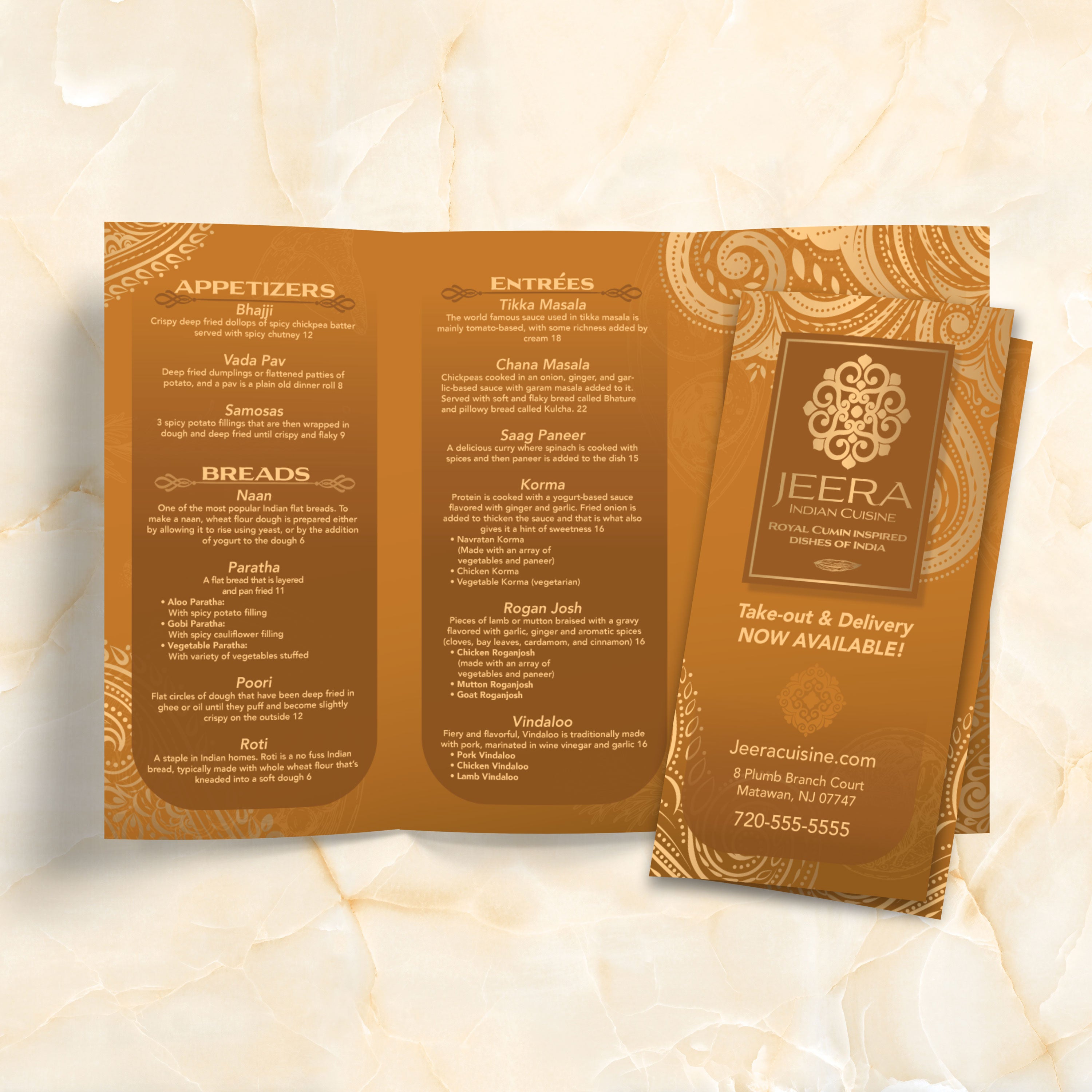
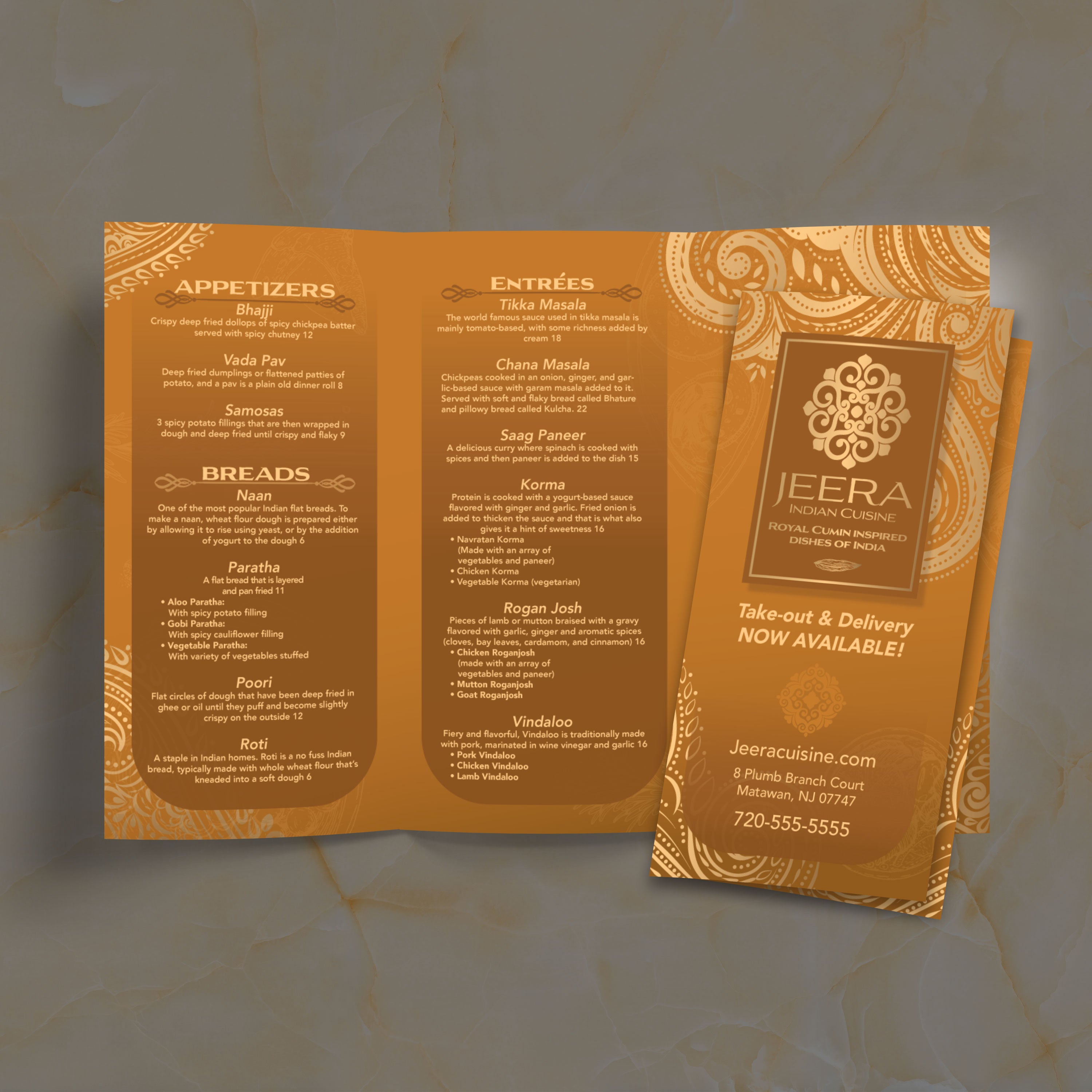
Indian menus can be extensive, with many categories, spice levels, and ingredient-heavy dishes. A template helps keep everything structured, readable, and easy to scan so guests can order confidently. That’s why free Indian food menu templates are a strong starting point for restaurants that want a modern layout without overcrowding the page.

Clean Category Hierarchy That Prevents Menu Overload

Indian menus often include starters, breads, rice, curries, grilled items, vegetarian specialties, desserts, and drinks. Without a strong hierarchy, those sections blend together, and guests get overwhelmed. A well-structured template keeps categories clearly separated with consistent formatting, so guests understand the menu flow immediately and can find what they want without scanning the entire page.

Better Spacing for Ingredient-Rich Dishes and Combos

Many Indian dishes require brief explanations for their ingredients, cooking style, or serving method. Templates help maintain spacing rules, ensuring descriptions remain readable without turning the menu into a wall of text. This is especially useful when listing thalis, combo meals, or family-style platters that require a little extra detail. Good spacing enhances clarity and facilitates faster reading.

Formatting for Spice Levels, Heat Icons, and Dietary Notes

Spice levels and dietary preferences are key decision points for many guests. A strong template supports simple heat indicators, vegetarian symbols, and allergy notes in consistent positions across the menu. This helps guests scan faster and reduces the number of questions staff need to answer at the counter or table. Clean icon placement also keeps the design modern, rather than cluttered.

Pricing Structure That Makes Add-Ons Easy to Understand

Indian menus often include add-ons like extra naan, raita, chutneys, protein upgrades, or rice substitutions. Templates help keep pricing aligned and predictable, allowing guests to easily compare items. When add-ons are grouped cleanly and formatted consistently, guests personalize orders faster, and staff can take orders without repeating the same clarifications.

Template Features That Support Frequent Menu Updates

Indian restaurants often rotate specials, seasonal dishes, and regional offerings. A structured template makes updating easier because item formatting stays consistent even when dishes change. This prevents messy layouts caused by last-minute edits and helps menus stay professional. For restaurants that also offer other Asian cuisines or fusion items, our collections like Free Vietnamese Food Menu Templates can provide additional layout inspiration for clean, category-based menus without overcrowding.

A well-organized Indian menu helps guests navigate quickly, compare dishes confidently, and order with greater ease. The most effective menus group items in a way that aligns with how customers perceive Indian food, while maintaining a consistent structure across vegetarian, non-vegetarian, and specialty sections. If your restaurant offers broader Asian offerings or fusion items, our collections like Free Chinese Food Menu Templates can also provide beneficial structure inspiration for precise category flow and clean section separation.

Appetizers and Street Food Starters

Appetizers set the tone and encourage add-ons early in the meal. A strong menu template keeps starters grouped clearly, separating fried items, grilled starters, and chaat or street-style dishes if you offer them. When guests can quickly scan appetizers, they are more likely to add samosas, pakoras, kebabs, or shared plates without hesitation.

Breads and Rice Sections That Do Not Get Buried

Breads and rice often get overlooked when they are placed too far down or formatted inconsistently. A dedicated section for naan, roti, paratha, and rice options helps guests complete their meal without needing to ask staff about available sides. Keeping this section clearly labeled and easy to scan improves upsells and reduces ordering confusion.

Curry, Tikka, and Gravy Dish Organization

Curries and saucy dishes are usually the core of an Indian menu, so this section must be easy to compare. The best templates support clean sub-grouping, such as separating creamy sauces, tomato-based gravies, and spicy regional curries. When sauce styles and protein options are formatted consistently, guests order faster and feel more confident in their choices.

Vegetarian and Vegan Groupings for Clarity

Many guests look specifically for vegetarian or vegan options. A well-structured menu should make plant-based choices easy to find, not scattered throughout the menu. Clear vegetarian groupings also reduce back-and-forth questions, helping guests feel accommodated. This is especially important for Indian restaurants where vegetarian offerings are often a significant strength.

Desserts, Drinks, and Lassi Placement for a Strong Ending

Ending sections should be simple, straightforward, and visually separated. Desserts like gulab jamun or kheer often become impulse add-ons when they are easily visible. Drinks such as lassi, chai, or house beverages also perform better when grouped cleanly. A strong ending section improves the flow of the menu and supports higher ticket totals.

Indian menus often include regional names, unfamiliar ingredients, and varied cooking styles. The way dishes are written and formatted plays a significant role in whether guests feel excited or hesitant. A strong template supports clarity without oversimplifying the cuisine, helping guests understand what they are ordering while keeping the menu clean and approachable. Restaurants that also feature grilled or shared-plate concepts sometimes look to our layouts like Free Korean BBQ Menu Templates for inspiration on organizing protein-forward sections and combination-style dishes.

When to Use Traditional Names Versus Simple Translations

Traditional dish names add authenticity, but clarity should come first. Well-known names like tikka masala or biryani usually need no explanation, while regional or less familiar dishes benefit from a short, clear description. Keeping the original name and explaining ingredients in plain language helps guests feel comfortable ordering without losing cultural character.

Short Descriptions That Explain Ingredients Without Crowding

Descriptions should focus on key elements such as sauce base, primary protein, or cooking method. One concise line is often enough to explain what makes a dish distinct. Overly long descriptions slow scanning and make menus feel dense, especially when multiple curries or grilled items appear back-to-back.

Handling Allergen Notes for Nuts, Dairy, and Gluten

Indian cuisine often includes nuts, dairy, and wheat-based items, so clarity about allergens is crucial. Templates work best when allergen notes are consistent and subtle, such as small icons or brief text indicators. This keeps the menu readable while still providing essential information for guests with dietary needs.

Portion Notes, Thalis, and Family-Style Items

Portion clarity helps manage expectations. If a dish is designed for sharing or served as part of a thali, the menu should clearly indicate this without adding unnecessary text. A consistent note style helps guests quickly understand portion size and reduces questions during ordering.

Highlighting Signature Dishes Without Overdesigning

Signature dishes perform best when highlighted subtly. A small label or short note draws attention without overwhelming the layout. When highlights are used sparingly, guests notice them more and feel guided rather than pressured, which supports confident ordering and ultimately leads to higher satisfaction.

Indian restaurants can range from fast-casual counters to premium dining rooms, and templates work best when the layout supports the service style. 

Here are the most effective ways to adapt a template while keeping it clean, readable, and easy to update:

  • Fast-Casual Menus Built for Speed and Quick Scanning: Fast-casual Indian menus should keep categories concise, limit lengthy descriptions, and make combos and add-ons easy to identify. A clean template supports faster lines, reduces staff questions, and helps guests order confidently even during rush periods:
  • Fine Dining Menus with More White Space and Premium Styling: Fine dining menus perform best with fewer items per section, stronger spacing, and concise descriptions that convey a sense of curation. Templates that support a calmer layout make the experience feel premium and allow signature dishes to stand out without heavy design elements:
  • Buffet Menus and Daily Special Boards: Buffets and rotating special boards need templates that can be updated frequently without breaking the design. Clear headings, short item lists, and consistent formatting help guests understand what is available today while keeping the presentation professional:
  • Catering and Party Trays With Package Formatting: Catering menus often include packages, serving sizes, and add-on pricing. Templates that support grouped sections and aligned pricing make it easier for customers to compare options and place larger orders without confusion:
  • Food Truck Indian Menus That Stay Single-Page: Food trucks benefit from a single-page format that can be displayed at the window or handed out to customers. A strong template keeps item names readable from a distance, highlights best sellers, and supports quick decisions with minimal text and clean spacing.

Indian restaurant menus are constantly handled and exposed to spills, moisture, and repeated cleaning. Traditional lamination can appear clean at first, but over time, it often clouds up, bubbles, or delaminates, making menus look worn, even when the design is modern. Our waterproof menu printing is designed to address these issues while maintaining menus that are durable, readable, and easy to clean.

Why Lamination Clouds Up and Delaminates Over Time

Laminated menus rely on an added layer that can degrade over time due to frequent wiping and exposure to moisture. Over time, lamination can develop haze, bubbles, or separation at the edges. Once delamination starts, the menus appear unprofessional and typically require replacement. This becomes a frequent cycle for high-traffic Indian restaurants, where menus are frequently passed from guest to guest and then cleaned.

Soap and Water Cleaning for Daily Use

Daily cleaning needs to be consistent and straightforward. We recommend simple soap and water for our paper, which supports practical wipe-down routines without damaging the menu. Because the material itself is waterproof, no laminated layer can peel or cloud. This helps menus stay clear and readable through repeated use.

Folded Menus That Do Not Crack Like Lamination

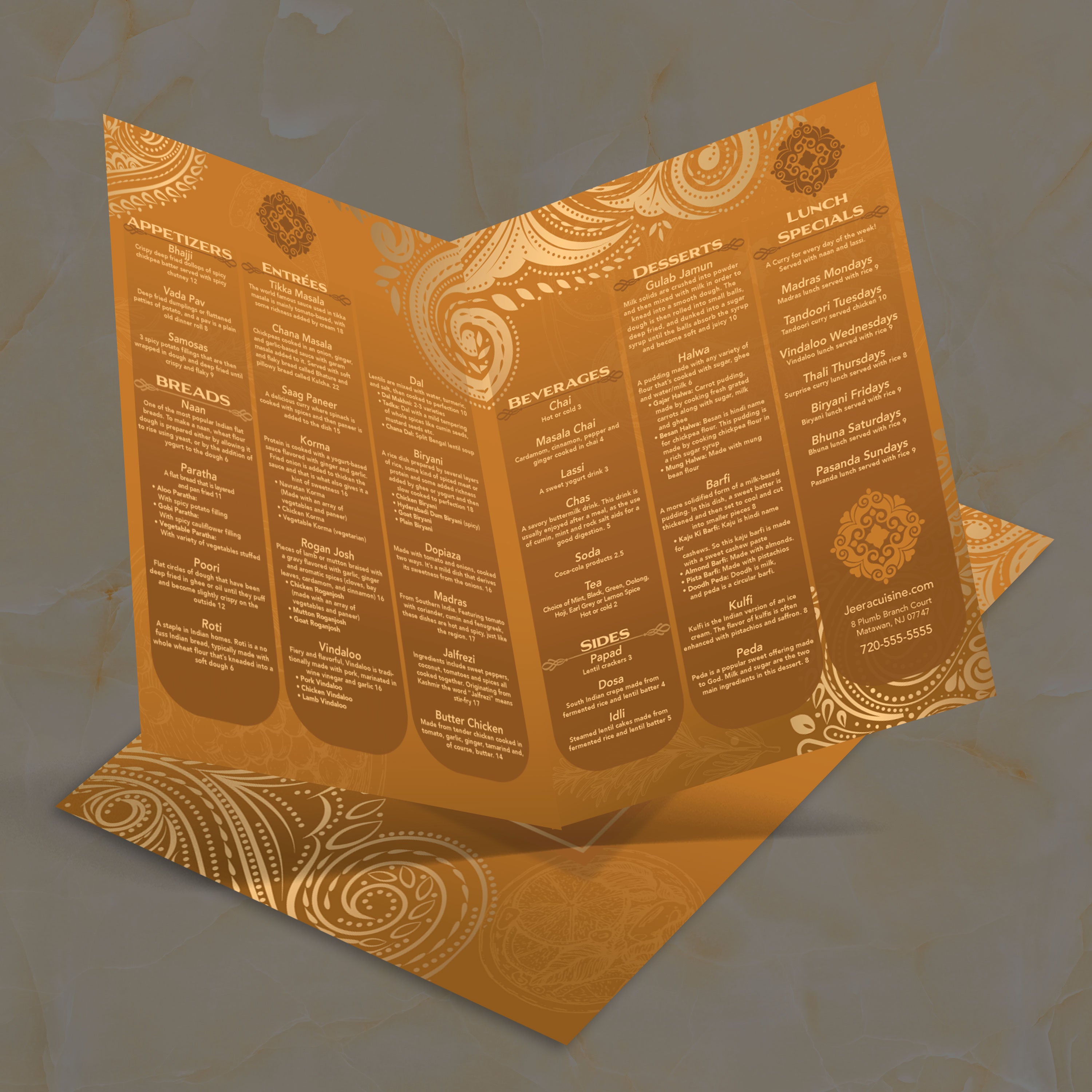
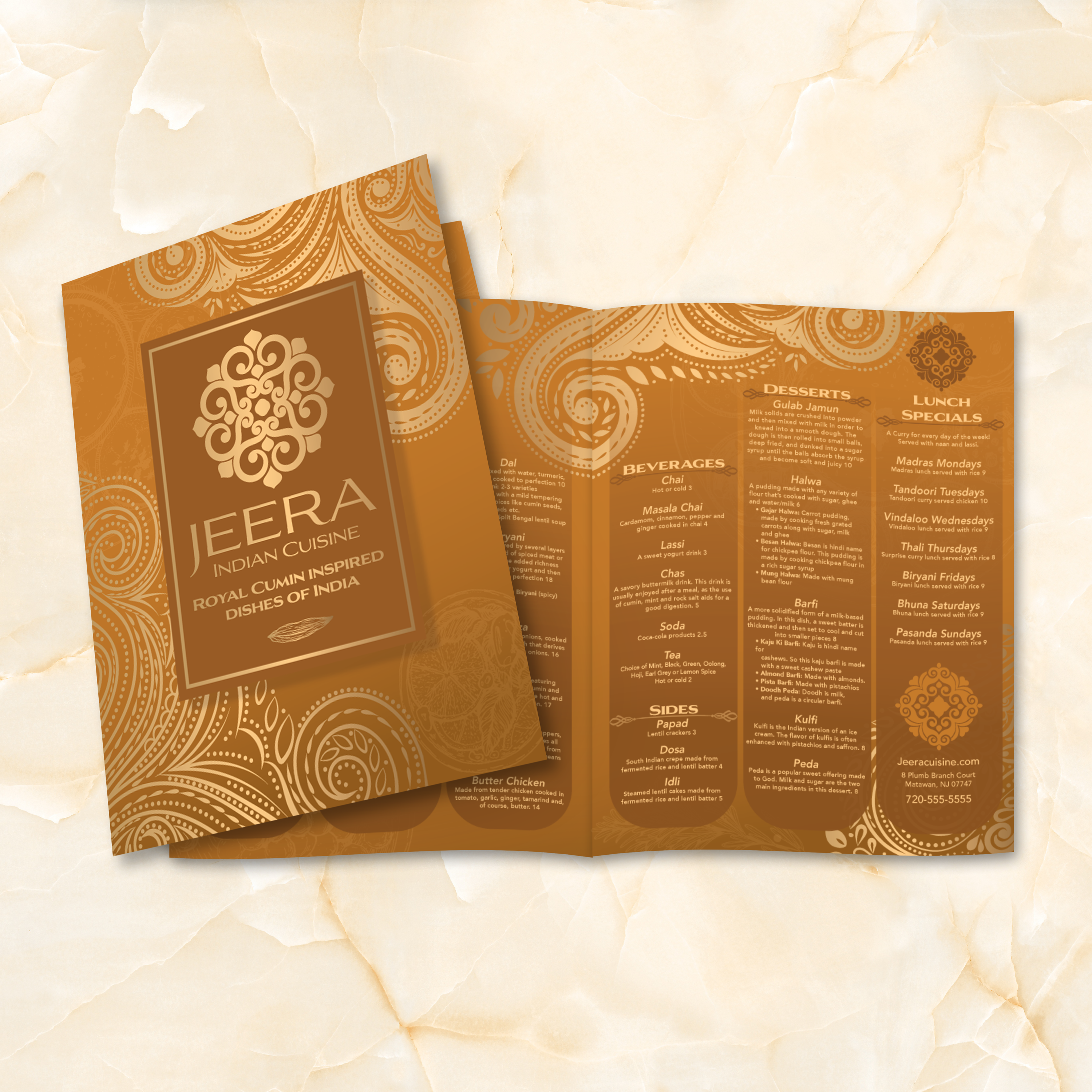
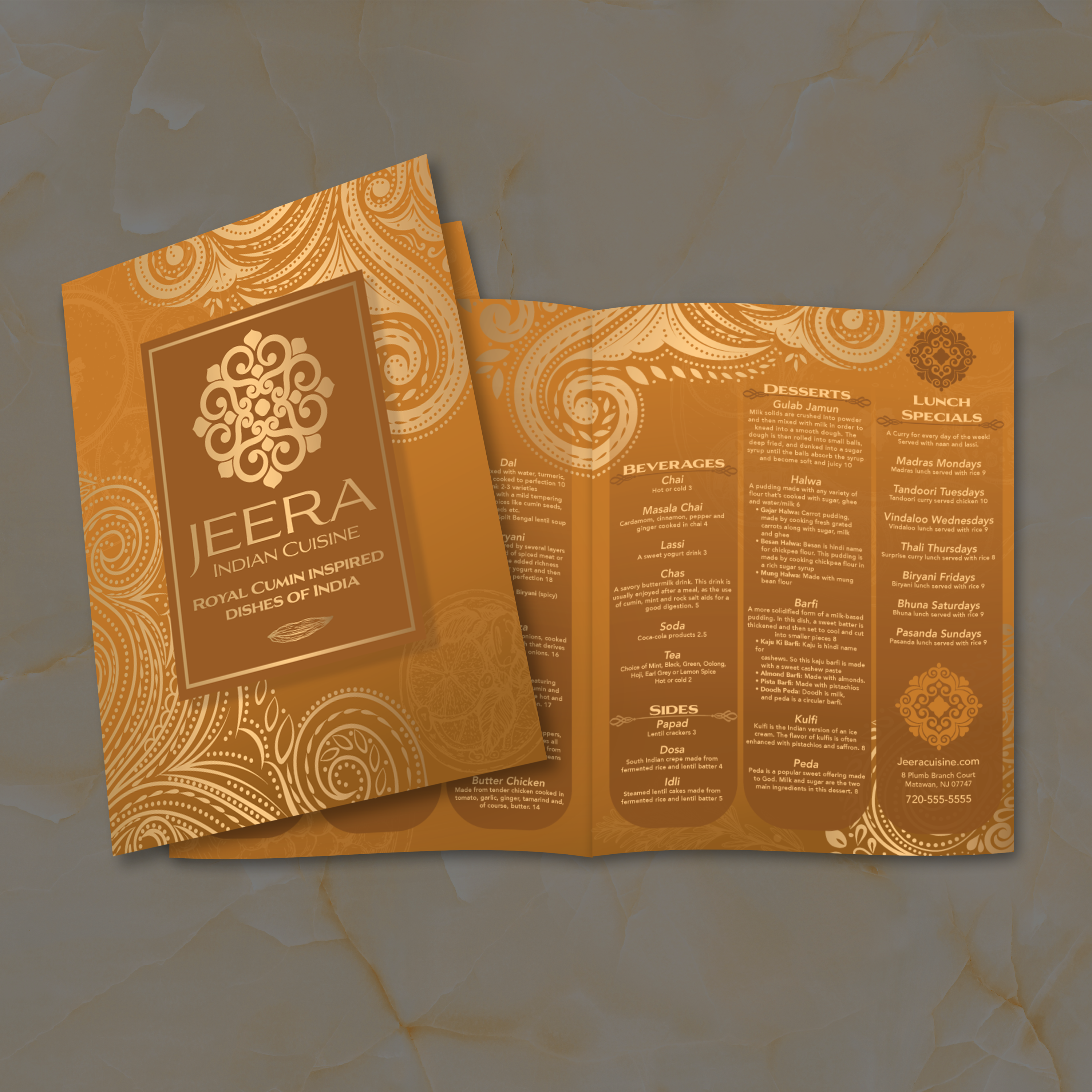
Many Indian restaurants use folded menus to separate sections like appetizers, curries, breads, rice, desserts, and beverages. Traditional lamination typically cannot be folded without cracking or peeling along fold lines. Our waterproof menus support folding options, such as bi-folds and tri-folds, keeping menus structured while maintaining durability through daily handling.

Thickness Options: 5 Mil, 8 Mil, 10 Mil, and 14 Mil

Different menu styles require different thickness levels. We offer 5 Mil, 8 Mil, 10 Mil, and 14 Mil options to match your menu’s handling needs. Thinner options work well for lighter menus or inserts, while thicker options provide a sturdier feel for full menus that are handled constantly. For 14 Mil, printing may require a commercial press or a high-quality printer.

Industry-Leading Turnaround for Menu Reprints

Indian menus often change with seasonal specials, lunch combos, and regional features. We provide industry-leading turnaround and fast shipping, helping restaurants update menus quickly without delays. Instead of relying on laminated menus that cloud up and delaminate over time, menus can stay clean, professional, and current with faster reprints as needed.

A well-designed template works best when paired with printing and design support that can keep up with the demands of an authentic restaurant. Indian restaurants often update their menus to include lunch specials, regional dishes, seasonal items, and catering offerings, which means menus need to be easy to refresh without sacrificing quality or consistency. Our printing and design services are built to support that workflow from start to finish.

TerraSlate Waterproof, Rip-Proof Paper for Everyday Menu Use

We print menus on TerraSlate waterproof, rip-proof paper designed for heavy handling and repeated cleaning. Because the material itself is waterproof, menus stay clear and readable without relying on lamination that can cloud up or delaminate. This makes TerraSlate a reliable option for dine-in menus, counter menus, and high-touch environments where durability matters.

Menu Printing Services with Fast Turnaround and Shipping

Frequent updates are common for Indian restaurants, especially when offering rotating curries, lunch thalis, or limited-time regional dishes. We can print menus for you with industry-leading turnaround and fast shipping, helping you keep menus accurate and up to date without long delays. This reduces the need to stretch outdated menus or make handwritten changes that hurt presentation.

TerraShield™ Anti-Microbial Coating for High-Touch Menus

For restaurants seeking added protection, at TerraSlate, we can print menus with our proprietary TerraShield™ antimicrobial coating. This option supports cleaner menus in busy dining rooms where menus are passed from table to table. It helps menus stay presentable through repeated handling while maintaining a professional look.

Value-Oriented PolySlate for Cost-Conscious Menu Printing

Some restaurants require a durable menu option while keeping costs under control. Our value-oriented PolySlate line provides an economical alternative for menus that still require superior durability compared to standard paper. PolySlate works well for inserts, specials, takeout menus, and short-run prints where durability is essential but budgets are tighter.

Design Support That Keeps Menus Consistent Across Formats

Consistency matters when menus appear in multiple formats, such as dine-in menus, catering menus, and counter displays. Our design support helps keep layouts aligned across various sizes and formats, allowing updates to be made without rebuilding everything. This makes it easier to maintain a clean, professional look while adapting menus for different service styles and customer touchpoints.