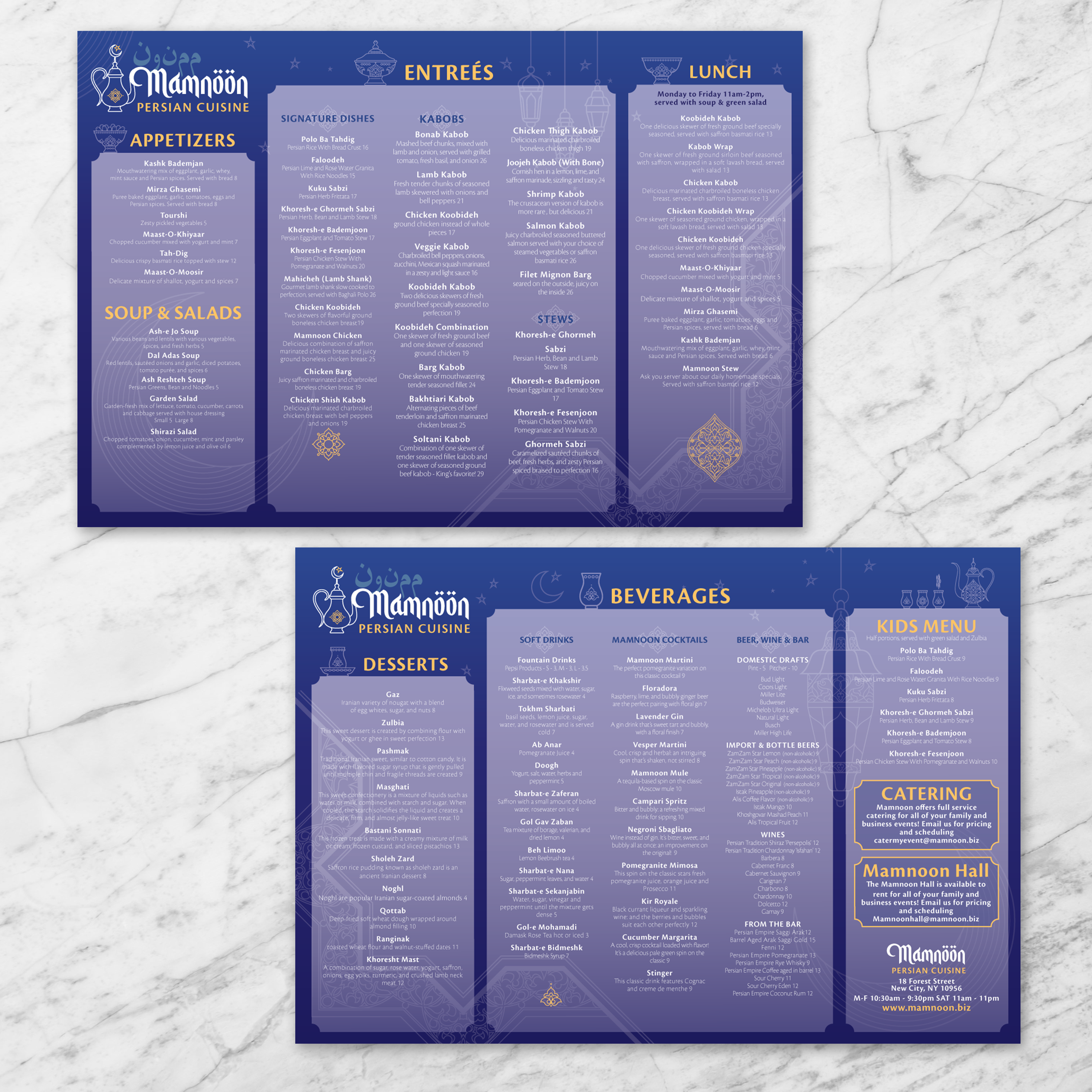
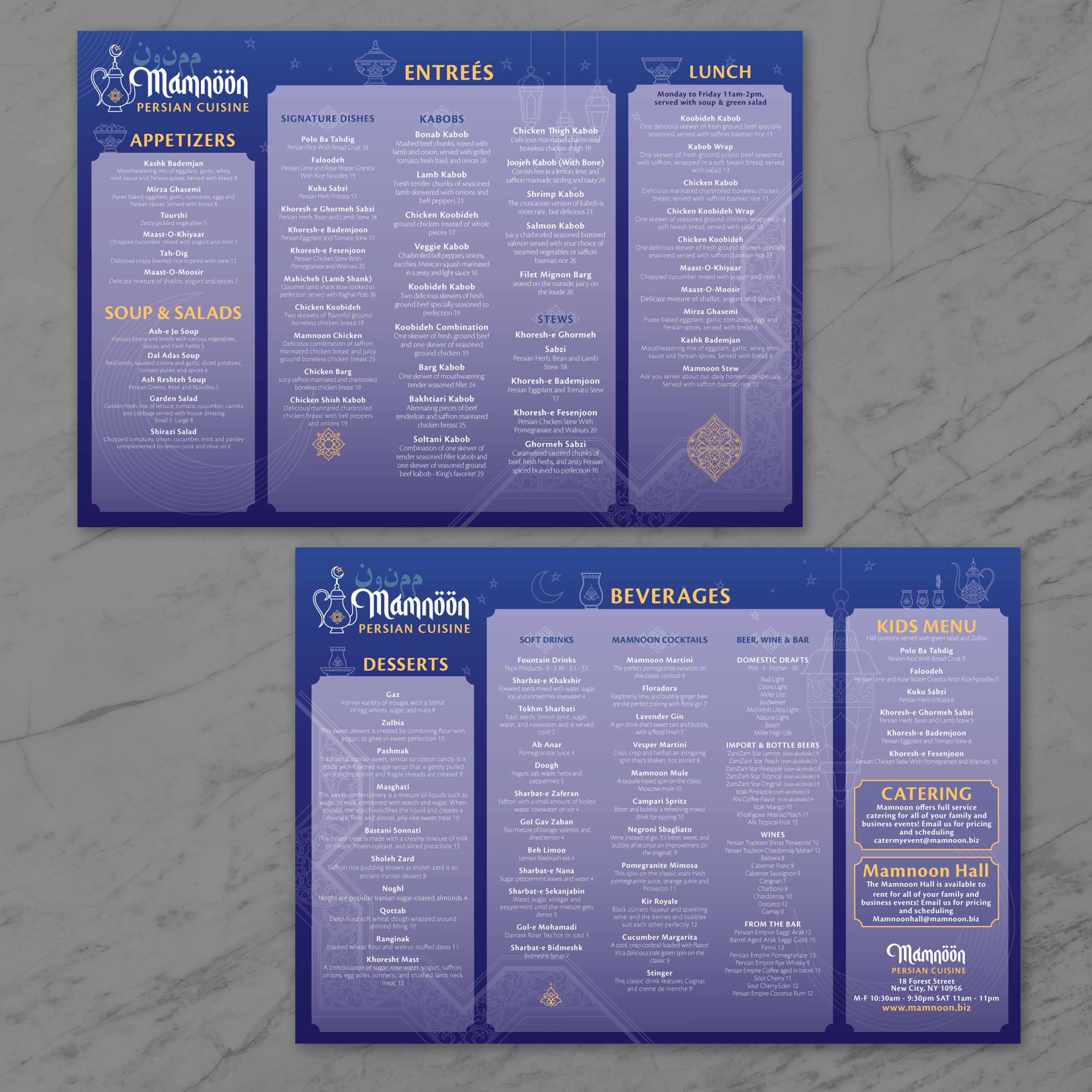
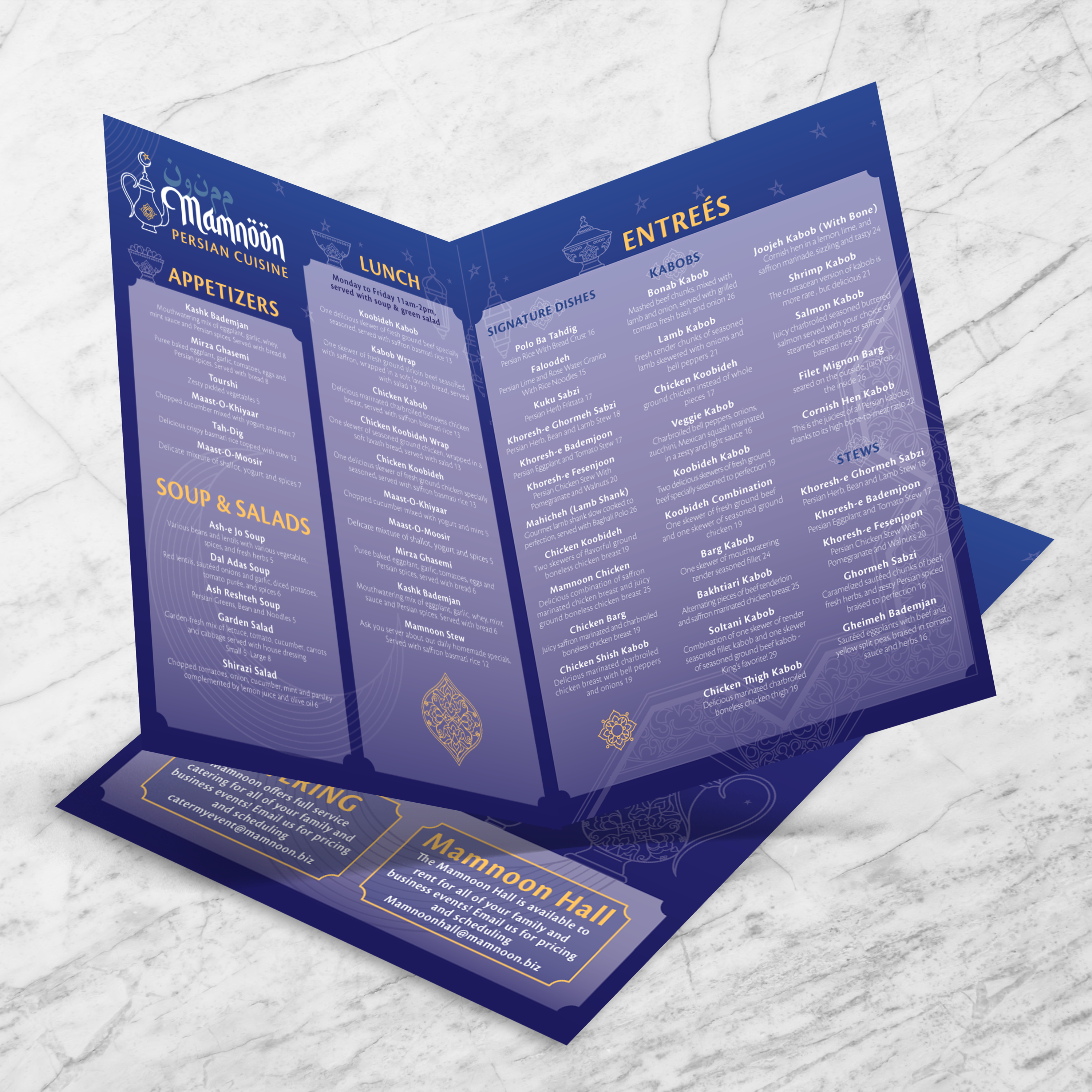
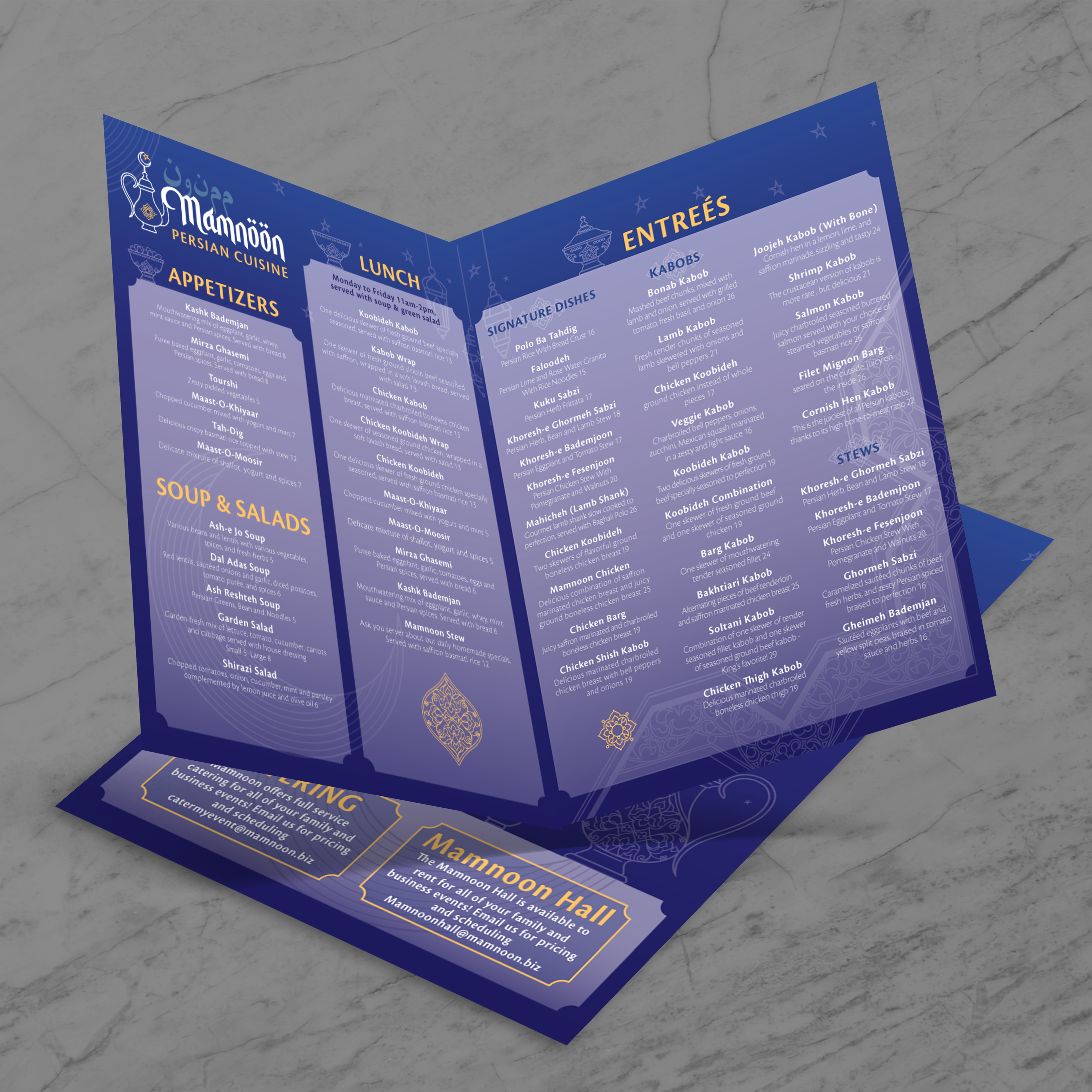
Modèles de menus de cuisine persane

14 produits

Affiche 1 - 14 de 14 produits

Affiche 1 - 14 de 14 produits
Voir
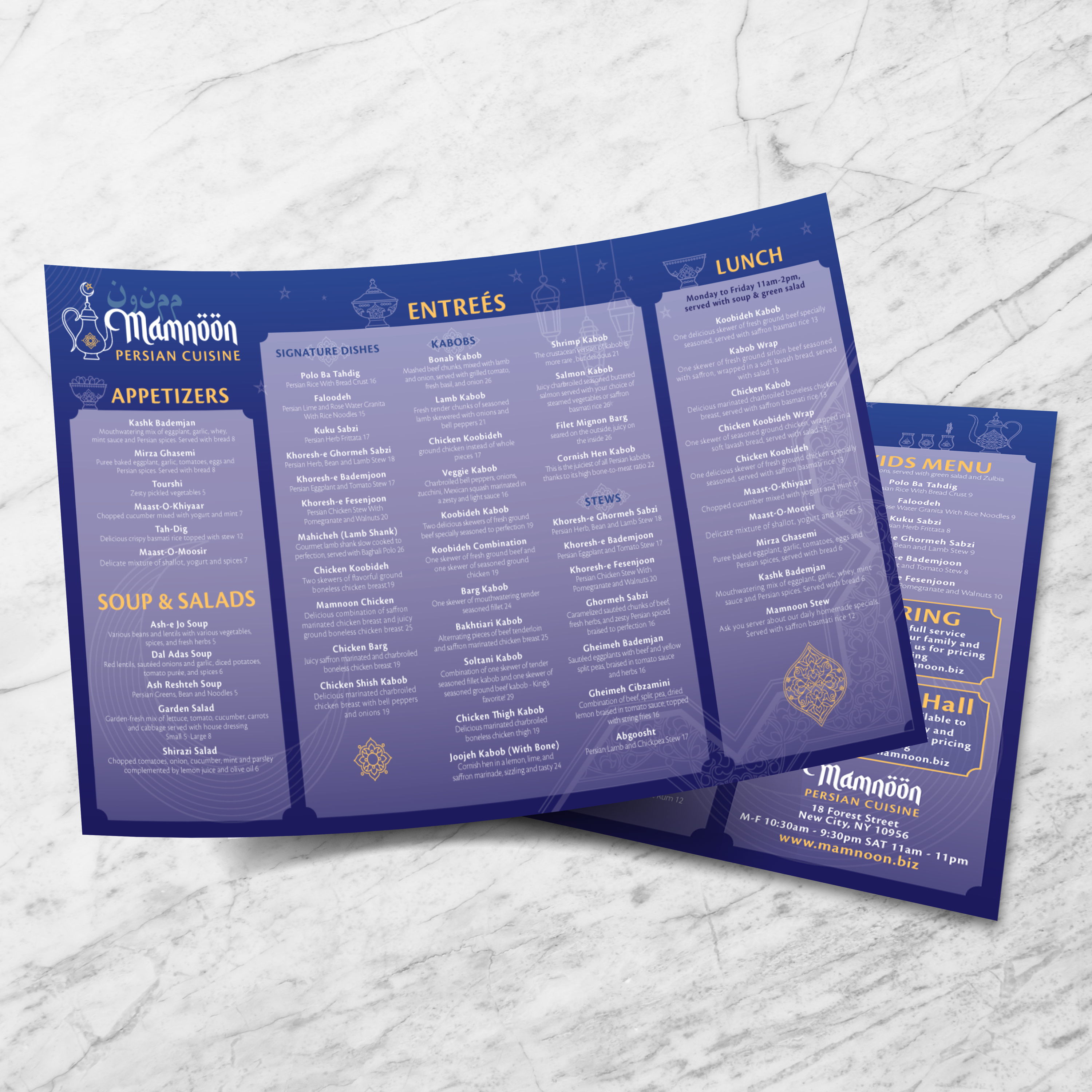
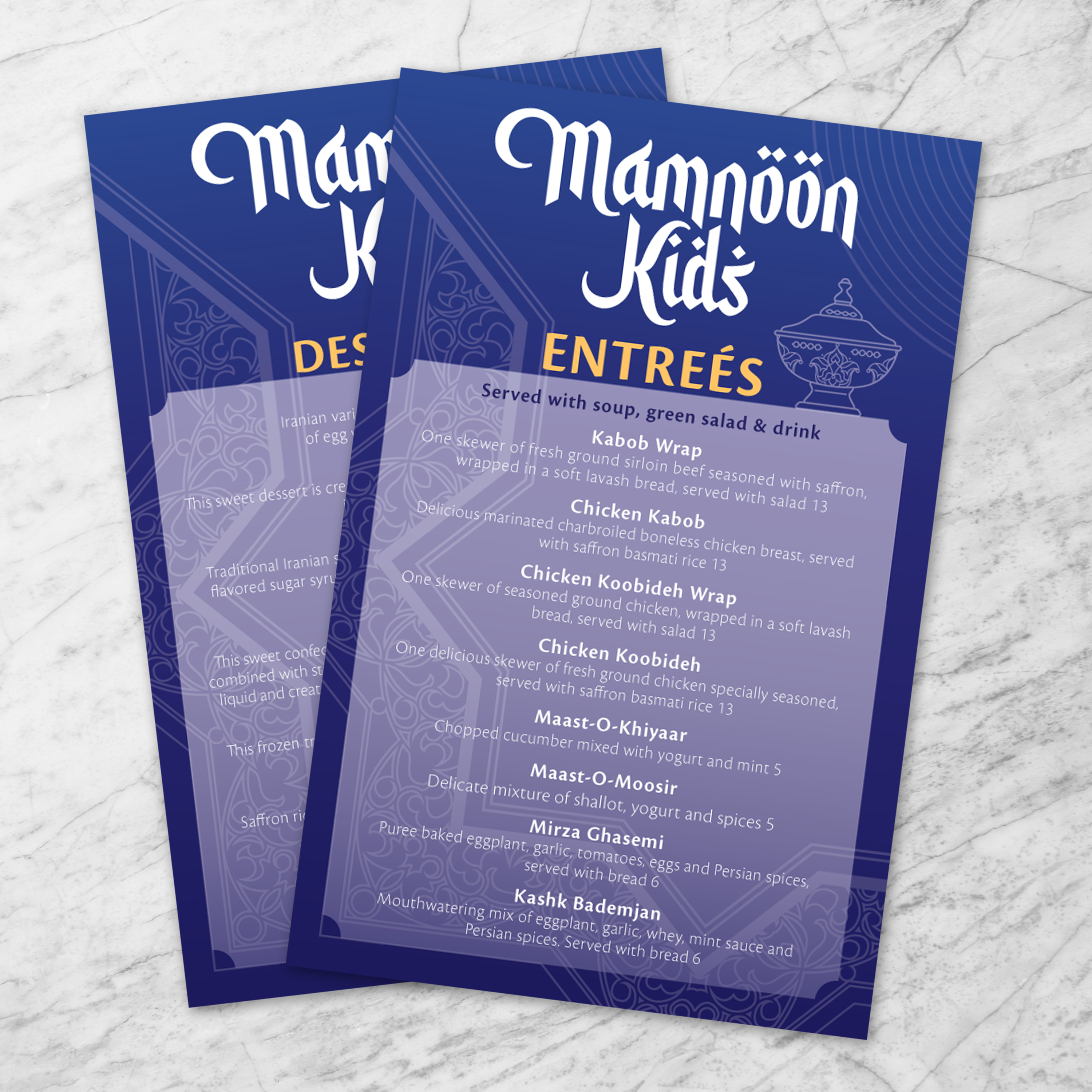
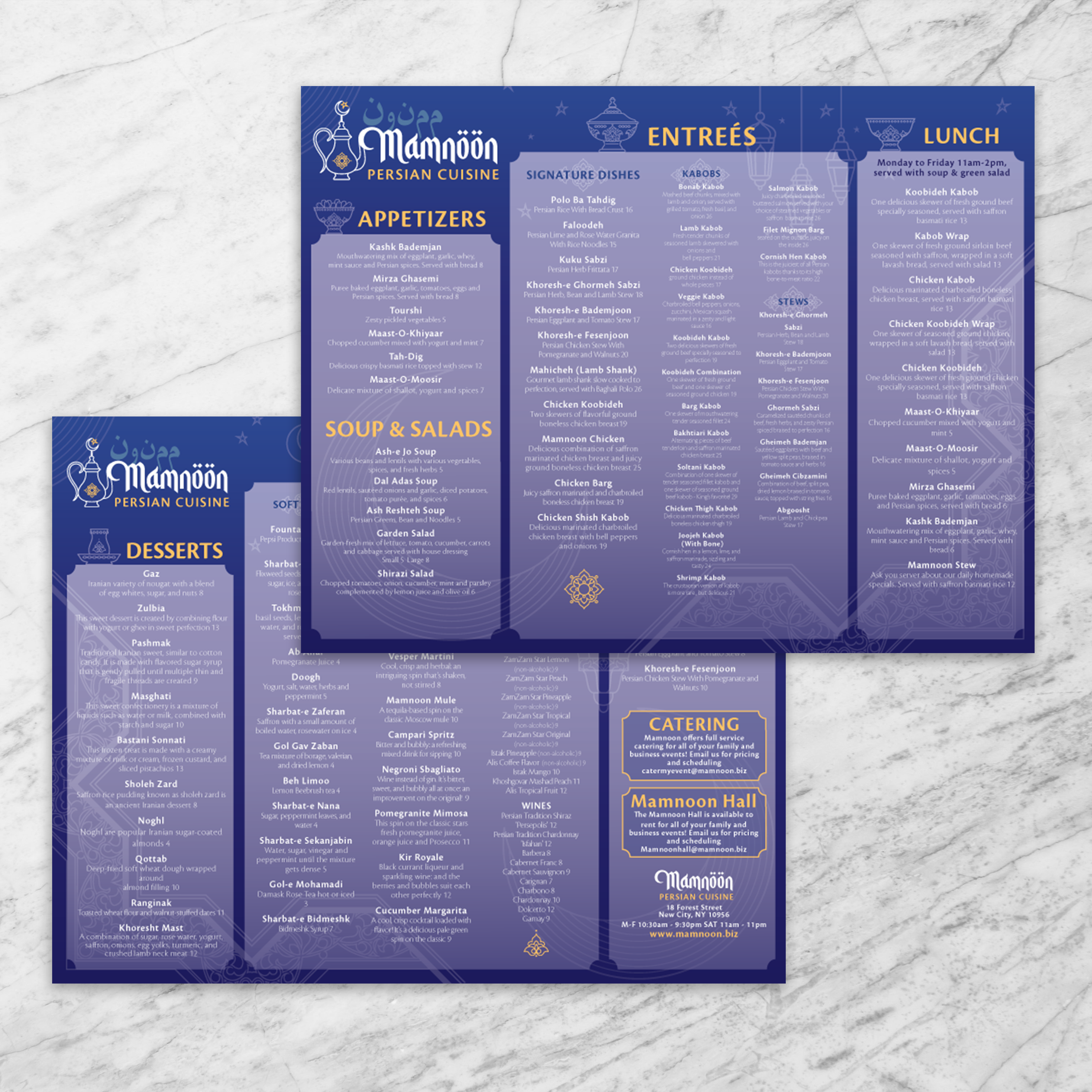
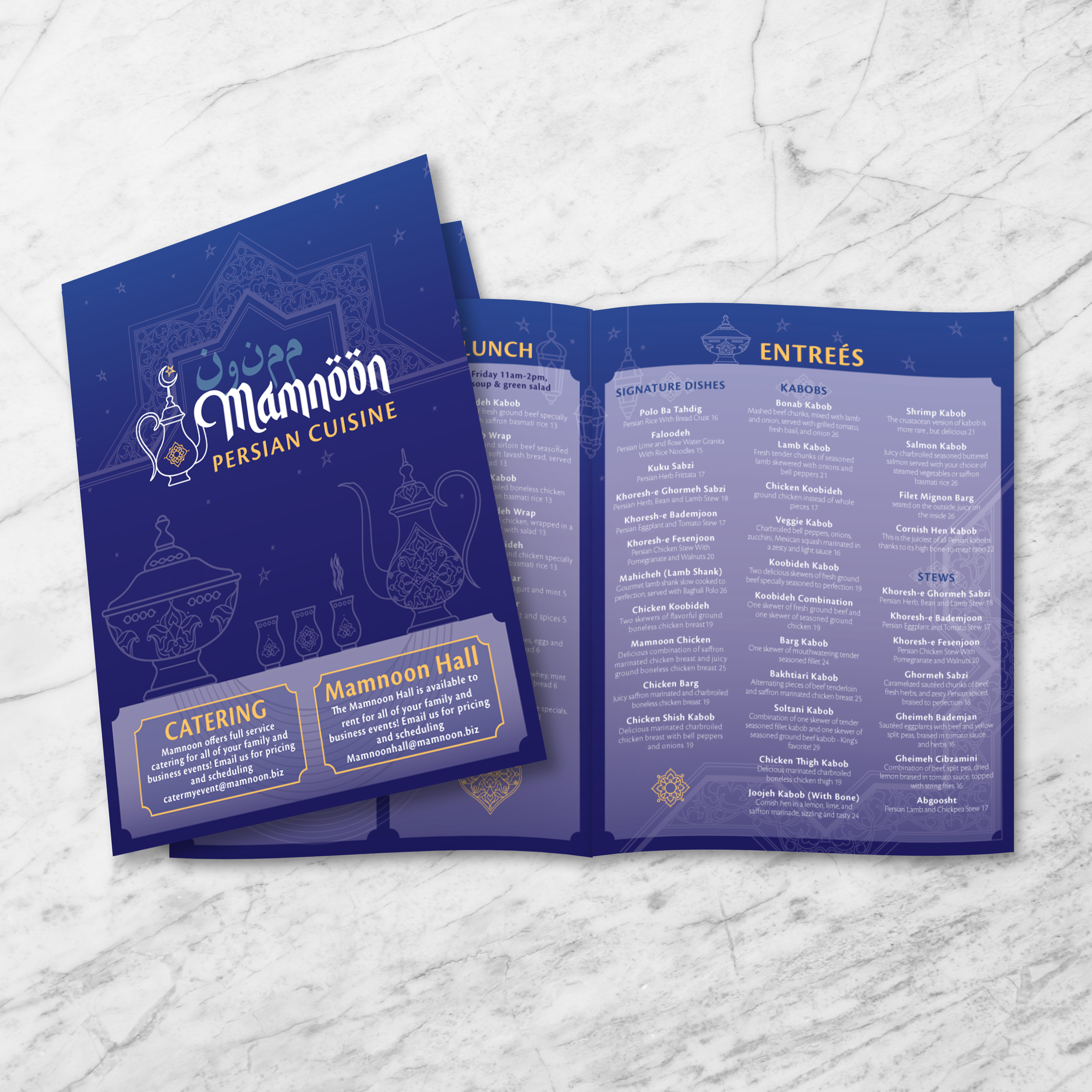
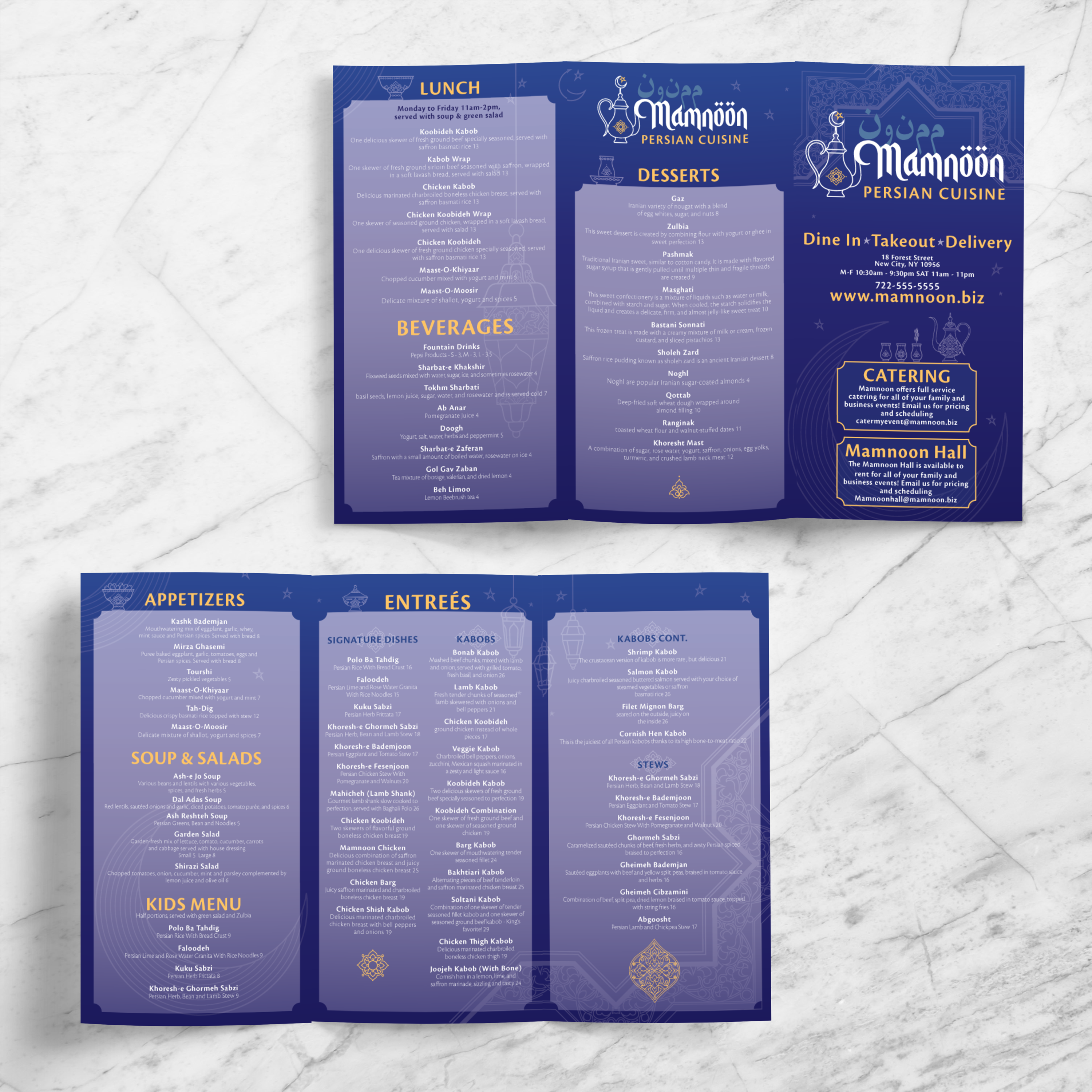
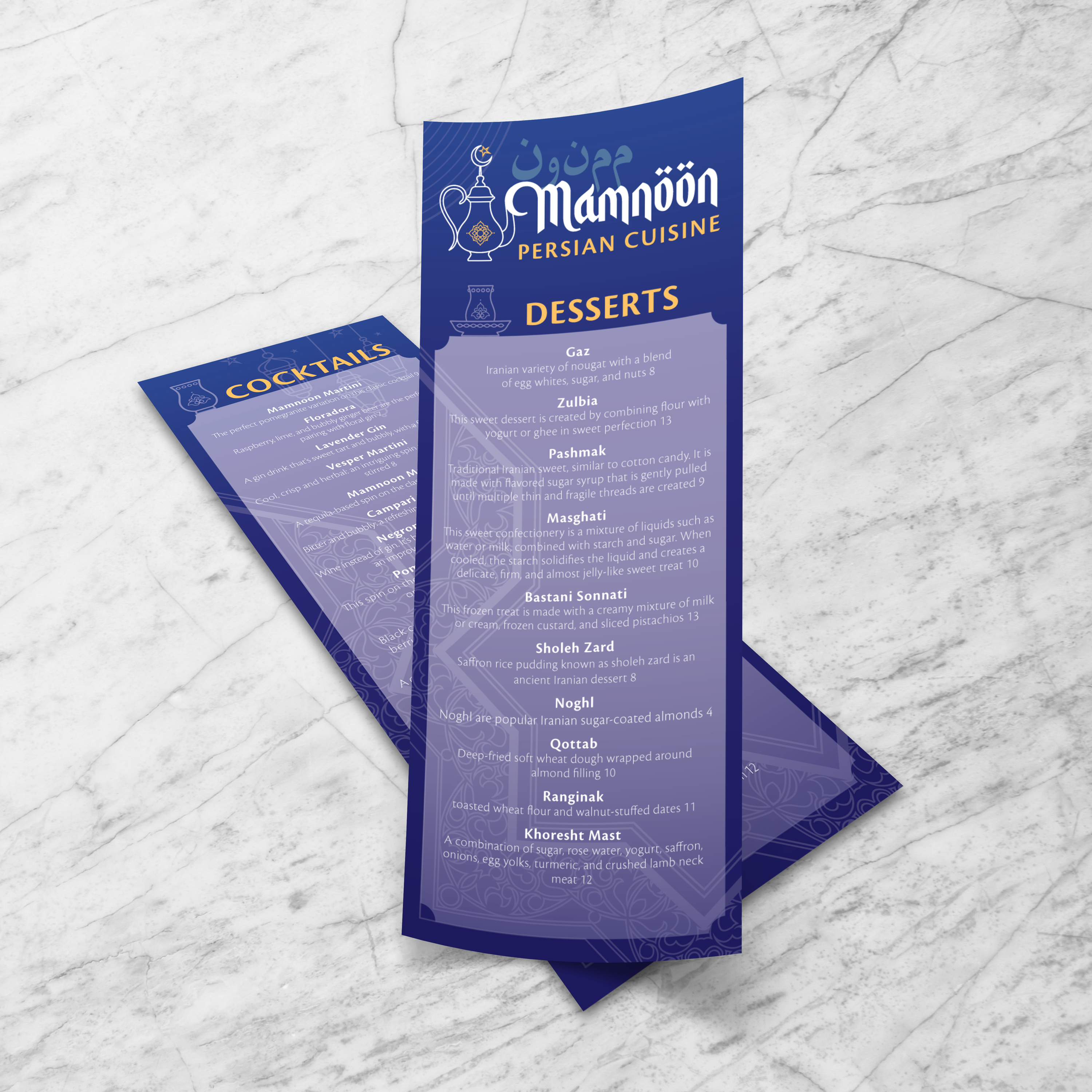
Mamnoon Persian Template 11" x 17" - TerraSlate Inc.Mamnoon Persian Template 11" x 17" - TerraSlate Inc.
Modèle persan Mamnoon 11" x 17"
Prix réduitA partir de $0.00
0 avis
Choisir options
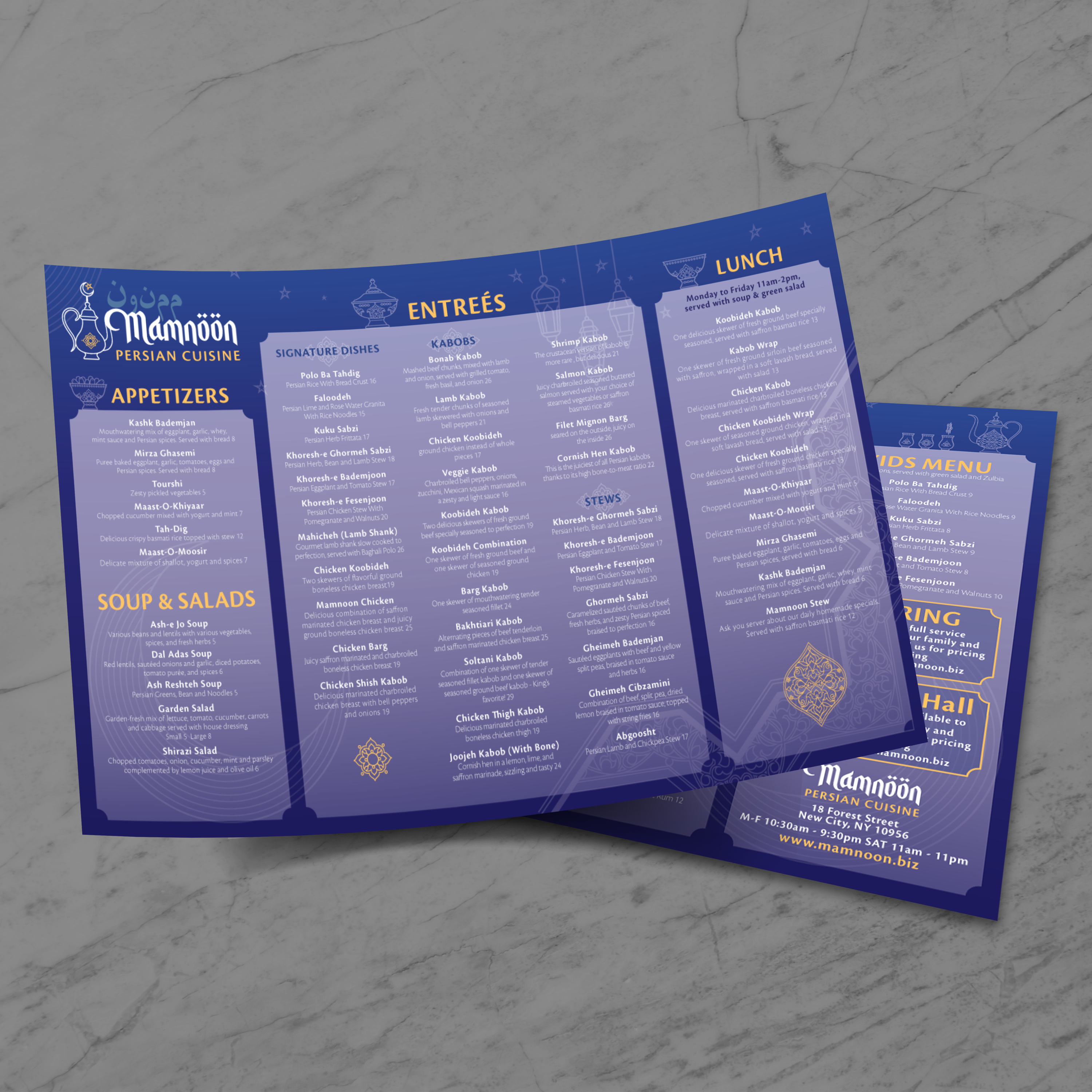
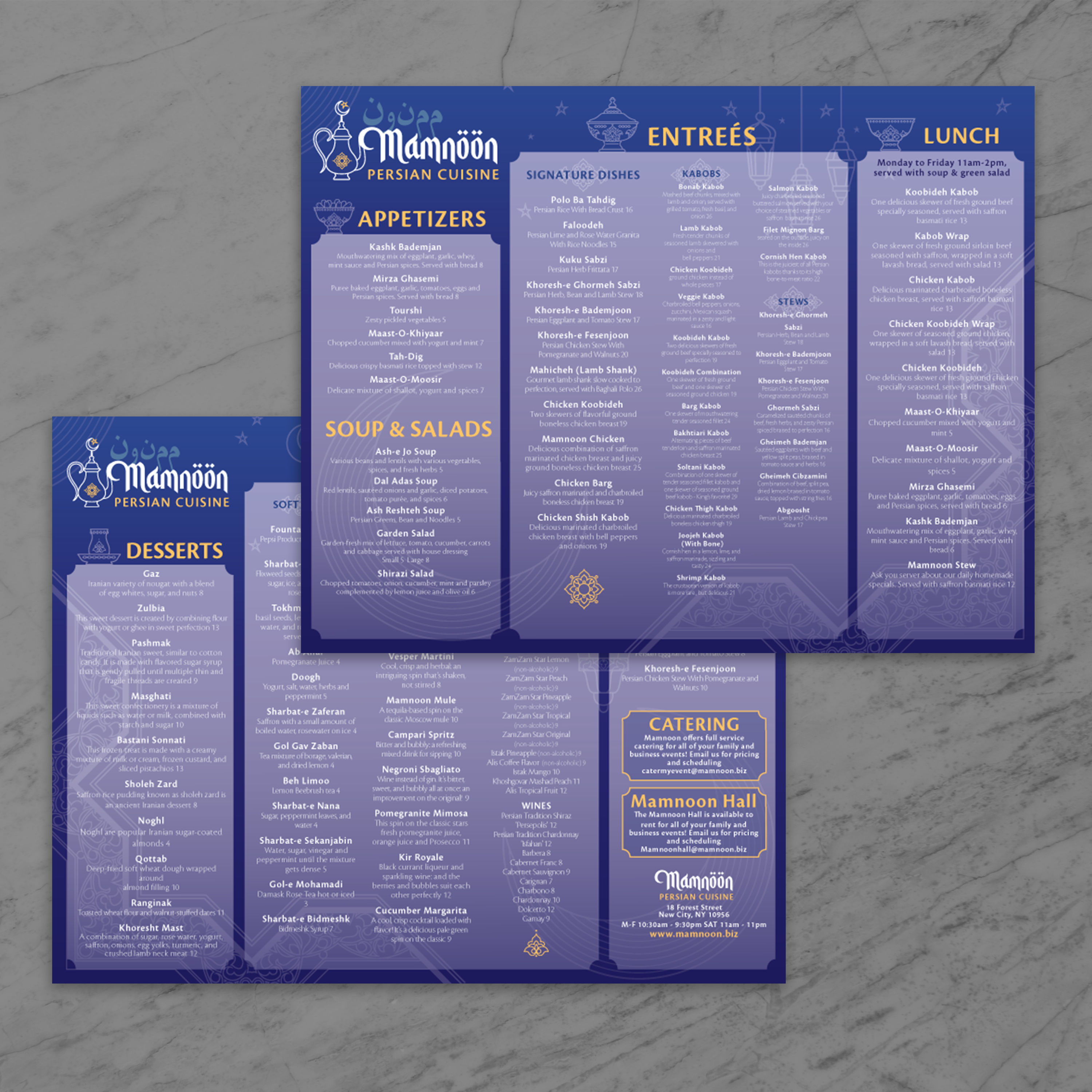
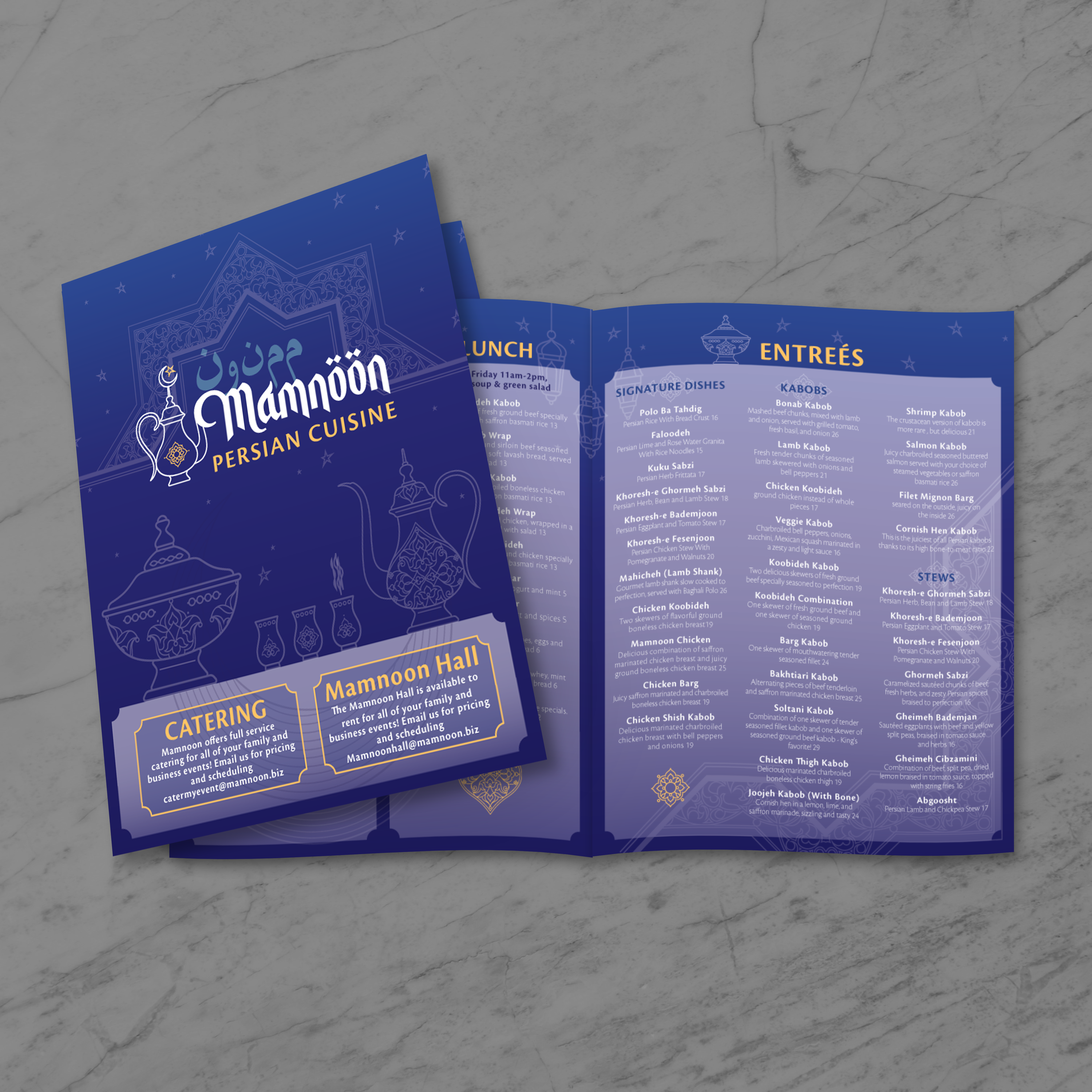
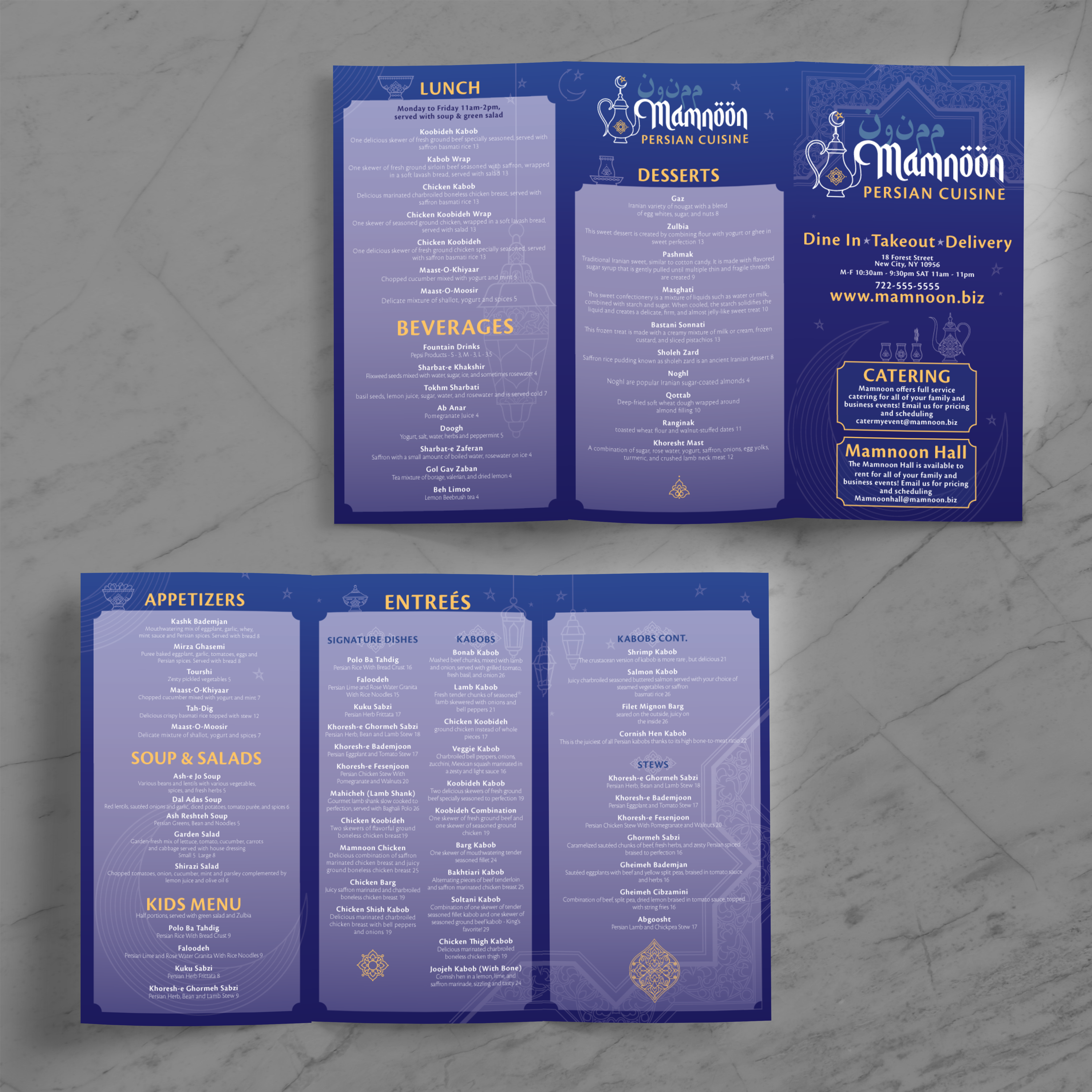
Mamnoon Persian Template 12" x 18" - TerraSlate Inc.Mamnoon Persian Template 12" x 18" - TerraSlate Inc.
Modèle persan Mamnoon 12" x 18"
Prix réduitA partir de $0.00
0 avis
Choisir options
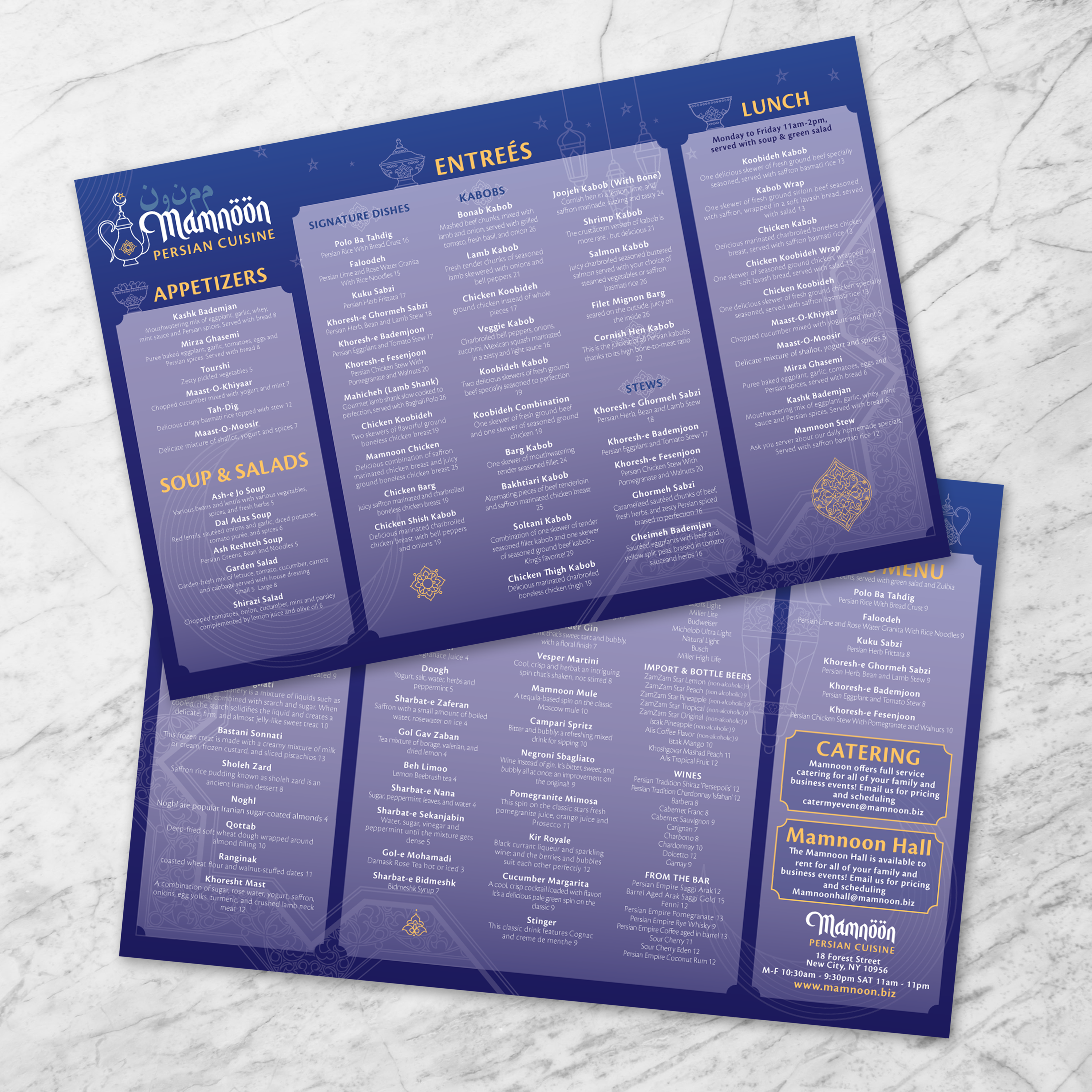
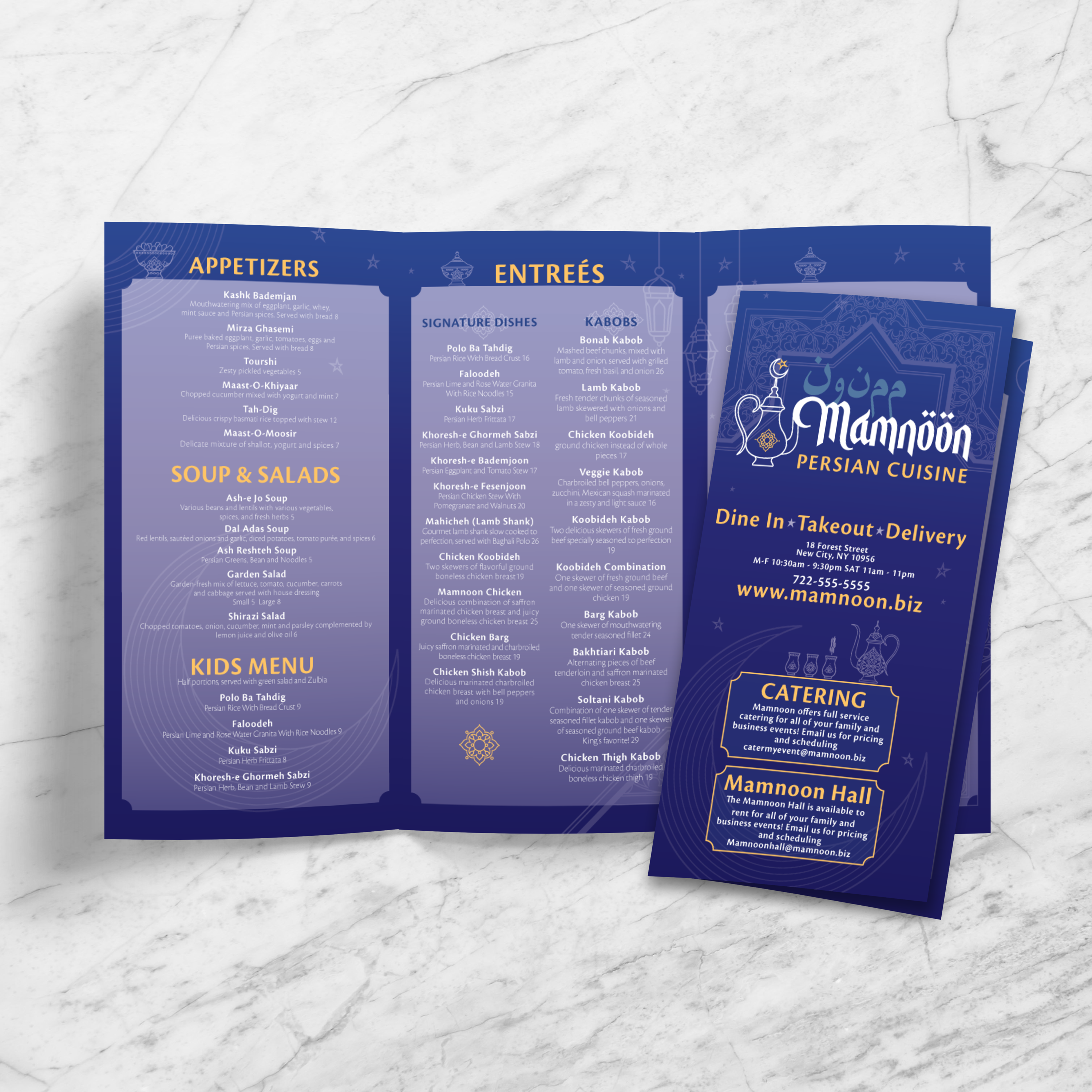
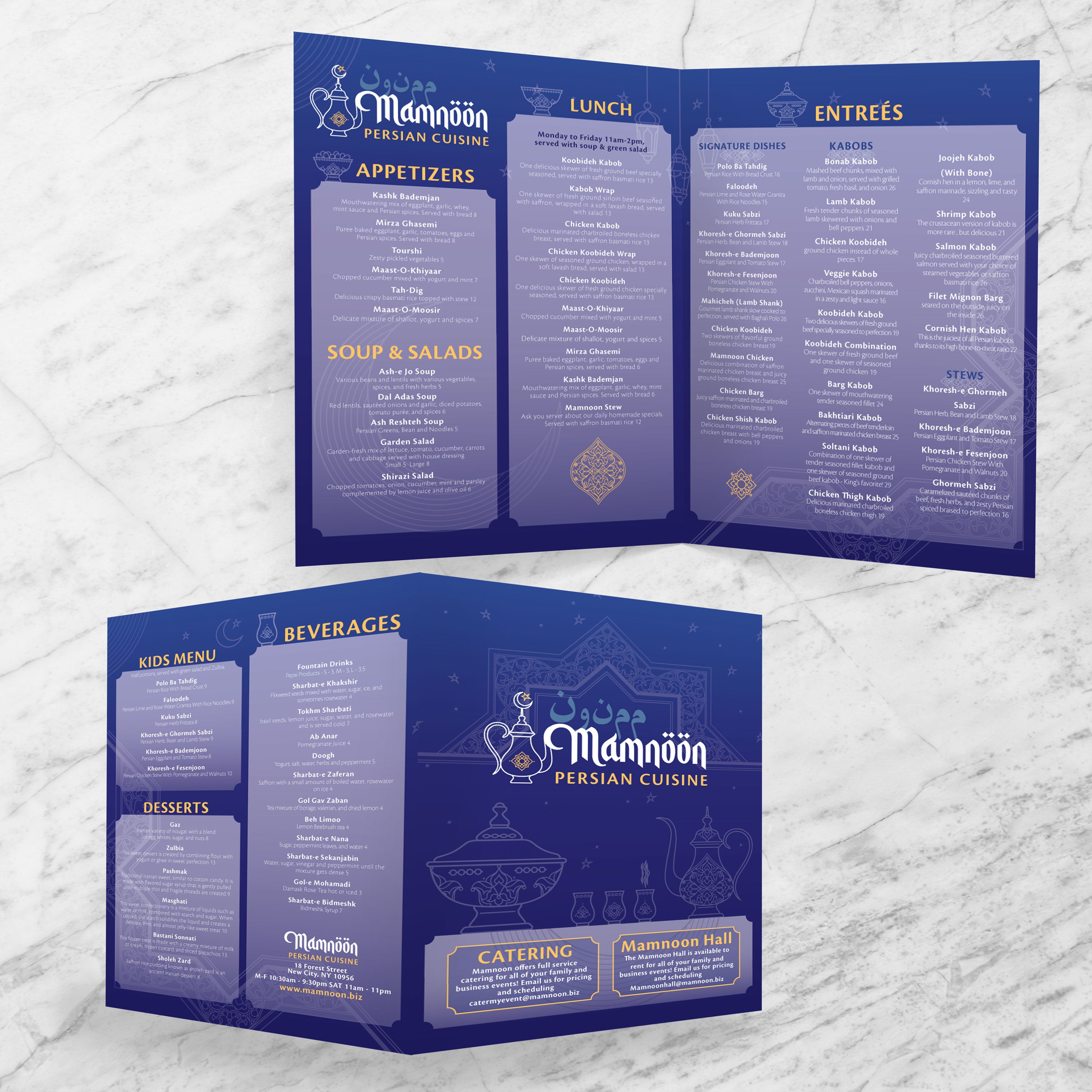
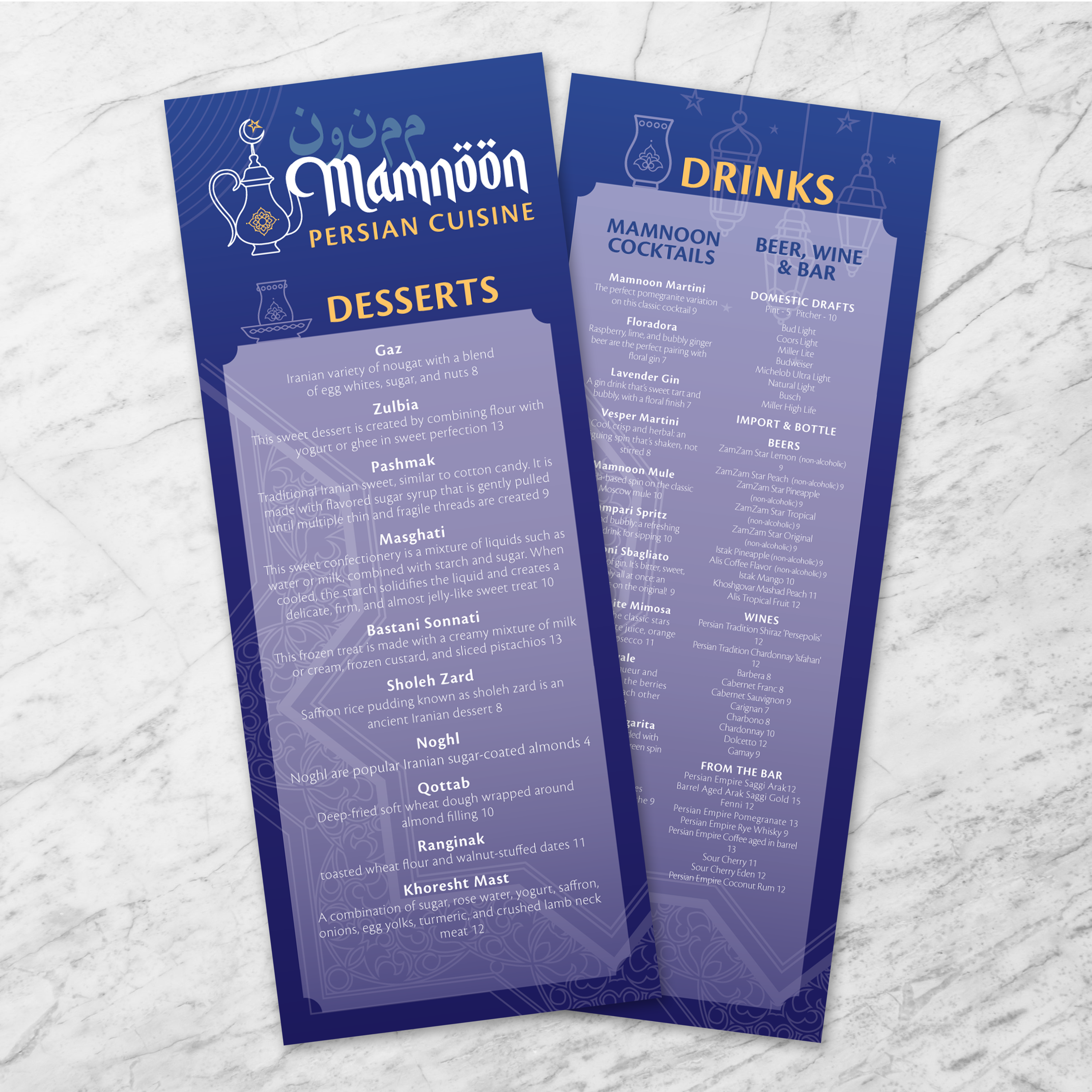
Mamnoon Persian Template 5.5" x 8.5" - TerraSlate Inc.Mamnoon Persian Template 5.5" x 8.5" - TerraSlate Inc.
Modèle persan Mamnoon 5,5" x 8,5"
Prix réduitA partir de $0.00
0 avis
Choisir options
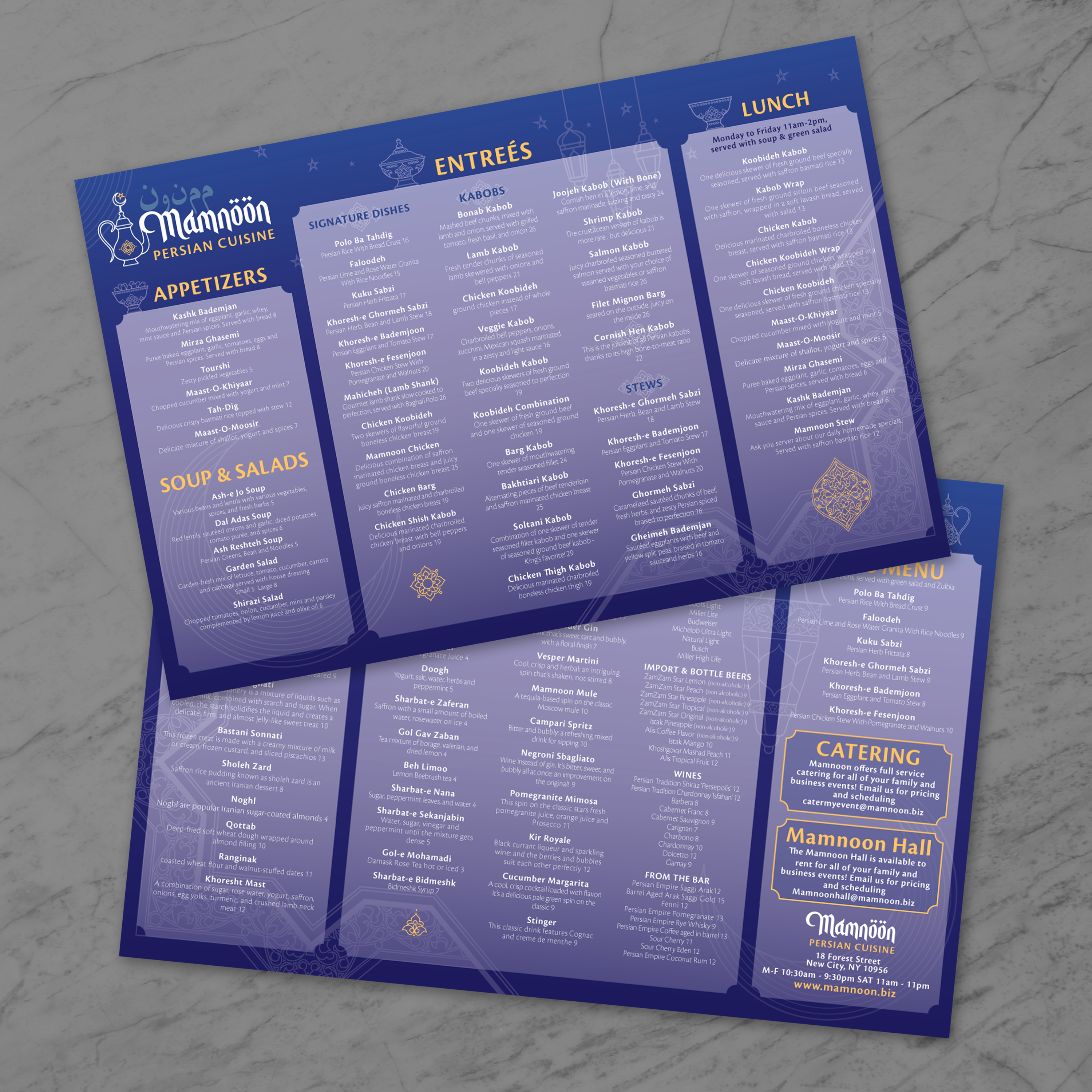
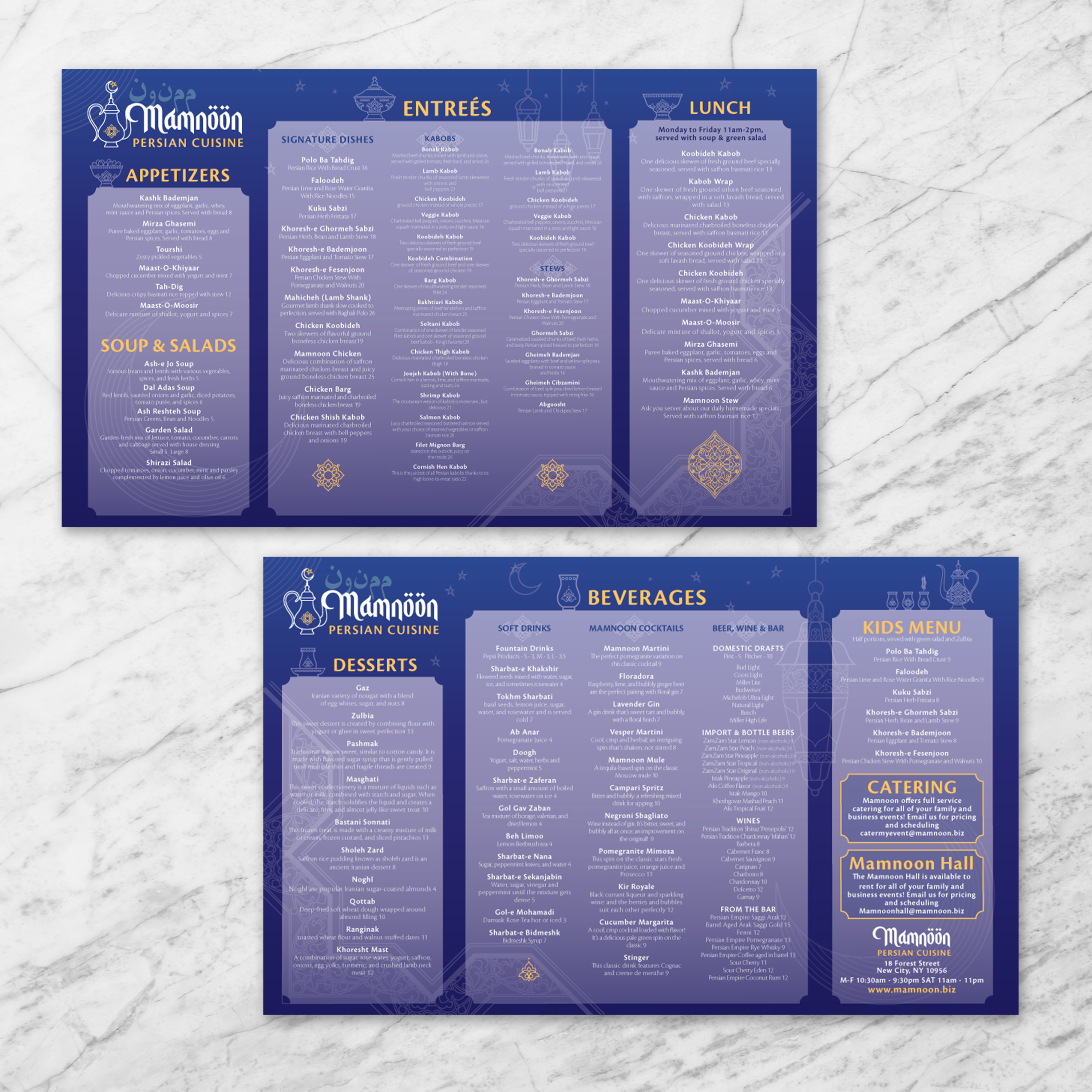
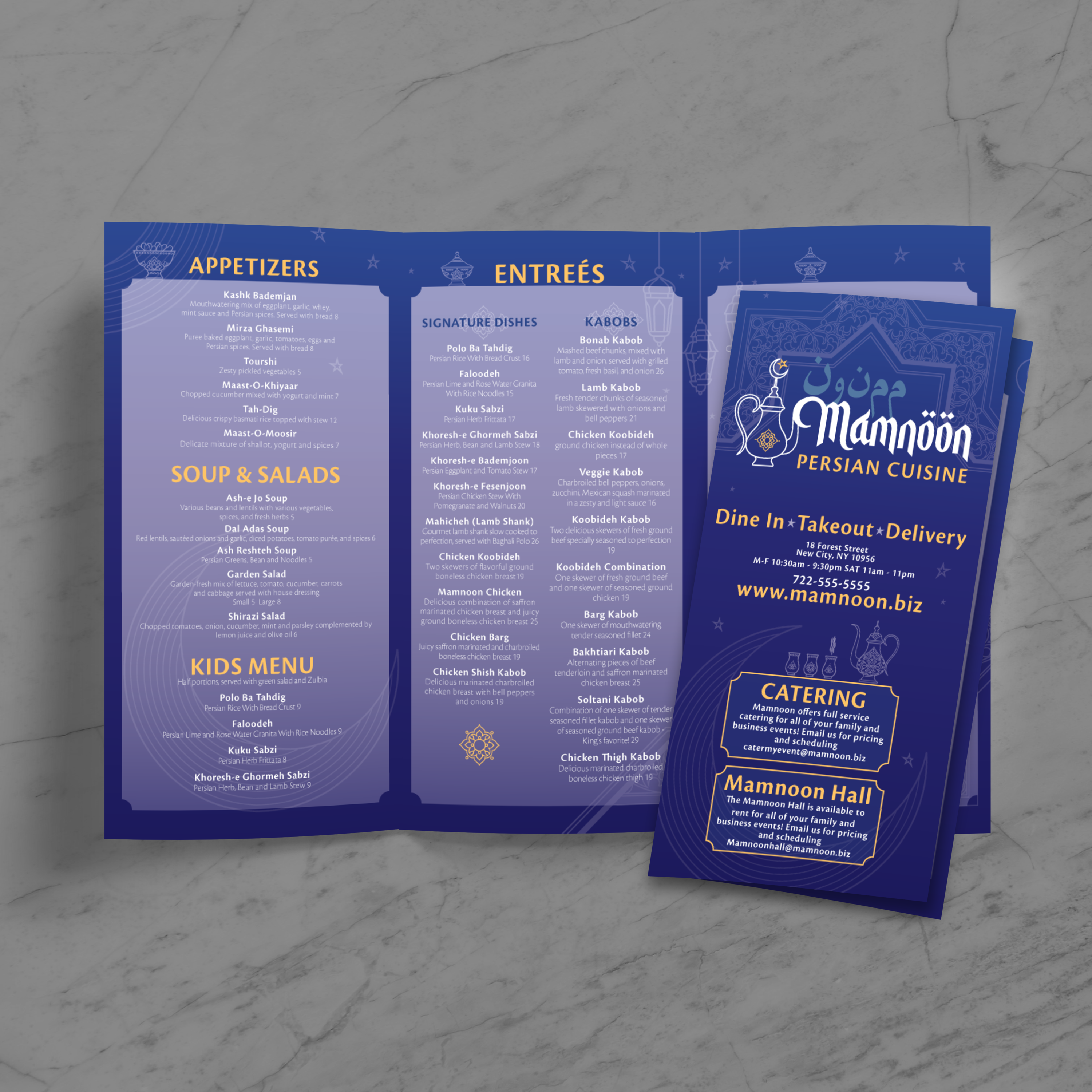
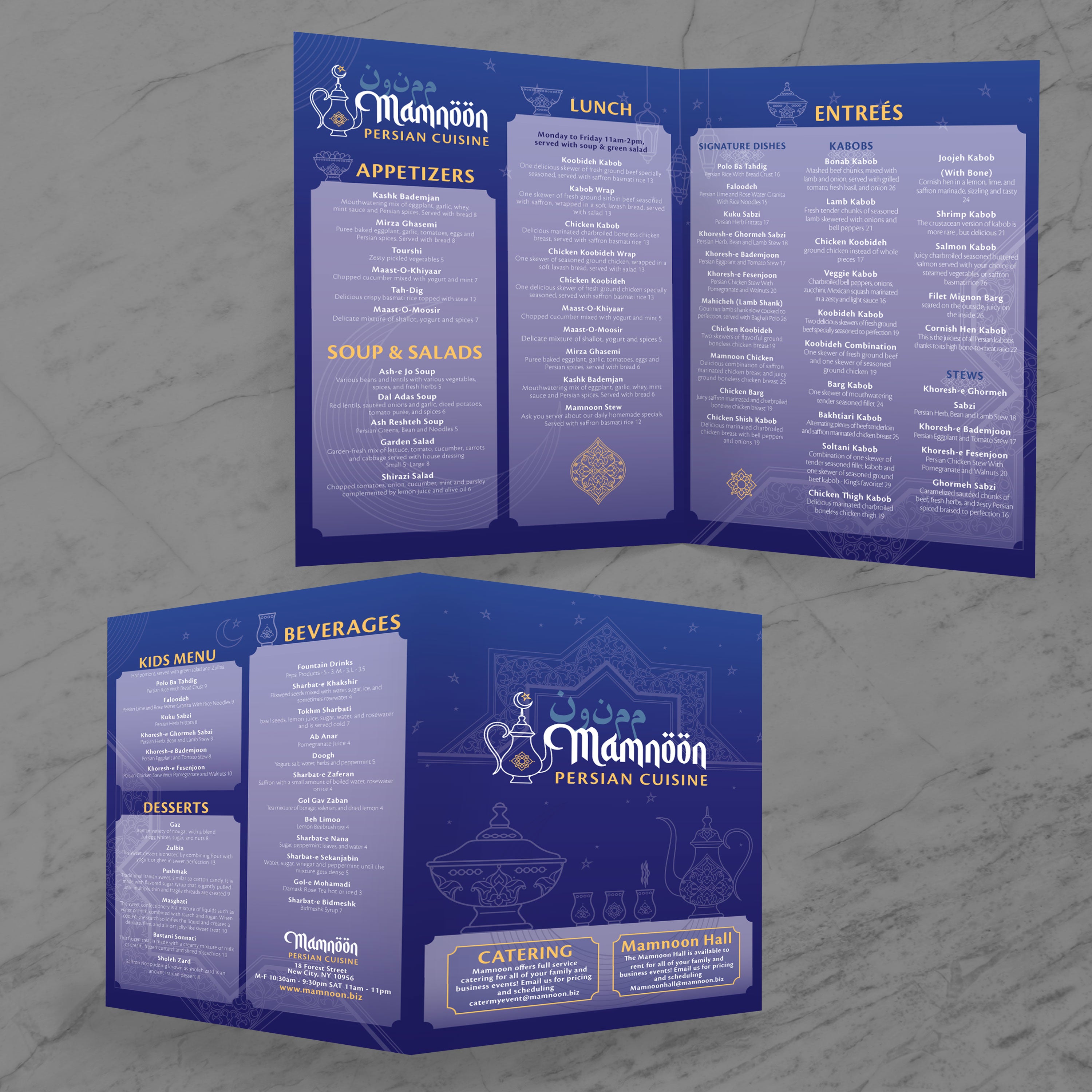
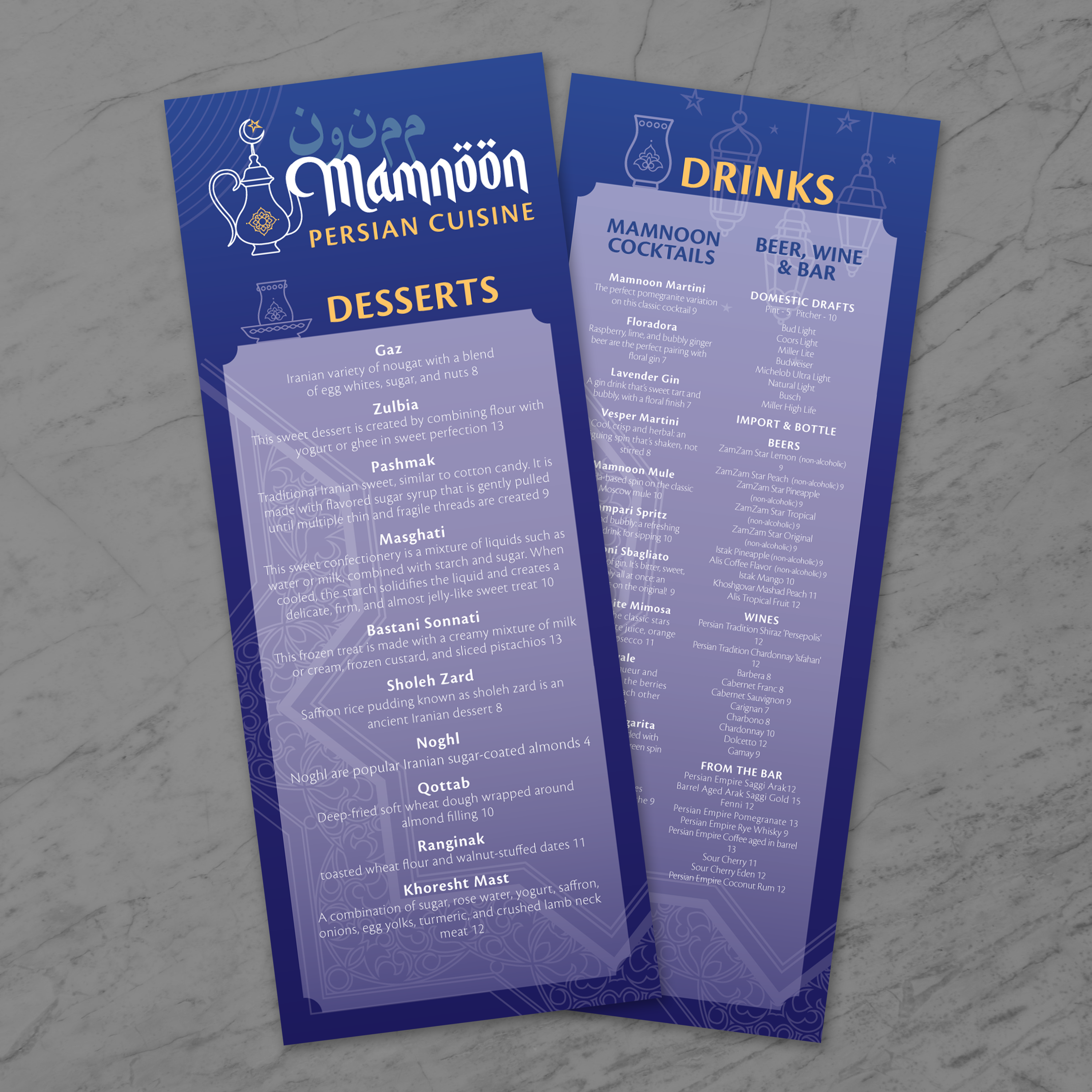
Mamnoon Persian Template 13" x 19" - TerraSlate Inc.Mamnoon Persian Template 13" x 19" - TerraSlate Inc.
Modèle persan Mamnoon 13" x 19"
Prix réduitA partir de $0.00
0 avis
Choisir options
Mamnoon Persian Template 8.5" x 11" - TerraSlate Inc.Mamnoon Persian Template 8.5" x 11" - TerraSlate Inc.
Modèle persan Mamnoon 8,5" x 11"
Prix réduitA partir de $0.00
0 avis
Choisir options
Mamnoon Persian Template 8.5" x 14" - TerraSlate Inc.Mamnoon Persian Template 8.5" x 14" - TerraSlate Inc.
Modèle persan Mamnoon 8,5" x 14"
Prix réduitA partir de $0.00
0 avis
Choisir options
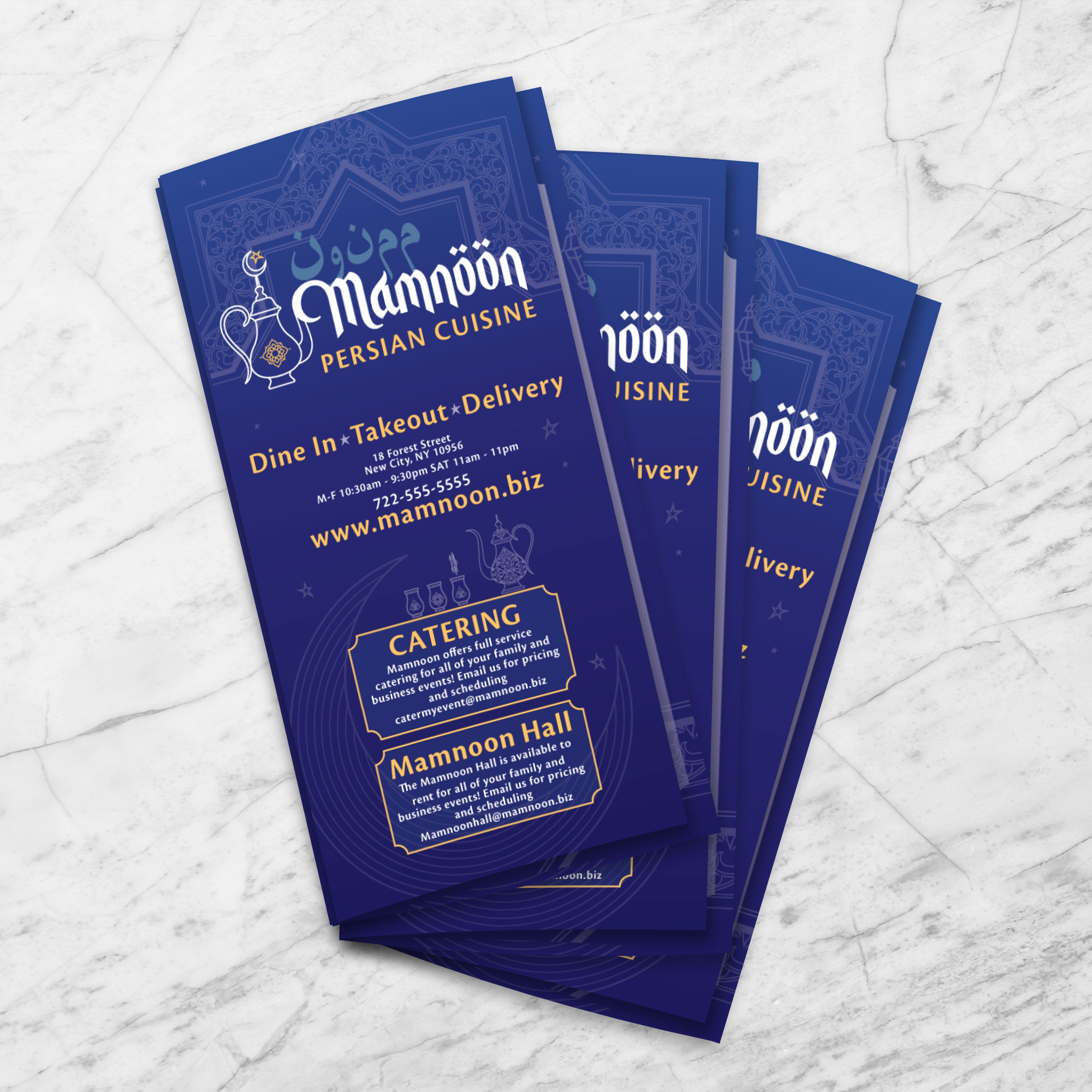
Mamnoon Persian Template 6" x 15" - TerraSlate Inc.Mamnoon Persian Template 6" x 15" - TerraSlate Inc.
Modèle persan Mamnoon 6" x 15"
Prix réduitA partir de $0.00
0 avis
Choisir options
Mamnoon Persian Template 4.25" x 11" - TerraSlate Inc.Mamnoon Persian Template 4.25" x 11" - TerraSlate Inc.
Modèle persan Mamnoon 4,25" x 11"
Prix réduitA partir de $0.00
0 avis
Choisir options

Recently viewed

An authentic Persian menu should convey culture and hospitality through design while remaining practical for fast-paced service, high-volume handling, and long-term durability.

Typography and Language That Balances Elegance with Clarity

Persian menus often benefit from typography that reflects calligraphic influence without sacrificing readability. Bilingual layouts (Farsi and English, or another local language) enhance authenticity while helping guests order with confidence. Use a strong hierarchy, so category headers like kabobs, rice dishes, stews, appetizers, and desserts stand out immediately, while descriptions stay short, structured, and easy to scan during busy service.

Colors, Patterns, and Motifs That Reflect Persian Art

Color selection is one of the strongest cultural cues in Persian menu design. Deep blues, rich reds, and warm gold tones evoke the rich traditions of Persian architecture, tilework, and textiles. Incorporating subtle motifs such as geometric borders, floral patterns, or carpet-inspired framing can add authenticity without overwhelming the layout. These elements work best when used consistently across sections so the menu feels cohesive rather than decorative for decoration’s sake.

Iconography and Imagery That Supports Quick Decisions

Icons can enhance usability, particularly when serving a diverse audience. Small markers for vegetarian, vegan, spicy, or gluten-free dishes reduce confusion and speed up ordering without requiring long explanations. Photography is optional, and many Persian menus rely on strong descriptions and design detail instead. If photos are used, keep them limited and high-quality so they enhance the menu rather than crowd it, and ensure print clarity supports the final presentation. If you’re building a broader menu template library across multiple cuisines, we also provide free Indian food menu templatesfree Vietnamese food menu templates, and free Chinese food menu templates that follow a clear hierarchy and restaurant-ready formatting while still leaving room for authentic cultural design.

Layout and Folding Formats That Improve Flow

Folding formats help Persian menus stay organized when offering multiple categories and a layered dish variety. Bi-fold and tri-fold formats enable you to group sections logically, while gate folds are helpful in showcasing featured dishes or house specialties. This also improves table presentation because folded menus reduce clutter and are easier to handle in busy dining rooms. Menus that use traditional lamination also cannot be folded reliably, which makes fold-friendly synthetic paper a better fit for modern layouts.

Durability That Keeps Every Detail Crisp in Real Service

Persian menus often feature detailed motifs, fine typography, and structured formatting, which can appear worn when printed on standard paper. Synthetic waterproof paper helps preserve sharp lines, color vibrancy, and legibility through repeated handling and spills. Simple soap and water are recommended for our paper. TerraSlate can print menus for you with our proprietary TerraShield™ anti-microbial coating, featuring an industry-leading turnaround time. This ensures your menu stays clean and presentable without compromising its premium look.

QR codes work best when they are placed where guests naturally look, printed with strong contrast, and protected from folds, glare, and wear. The goal is straightforward: to achieve reliable scanning without compromising the cultural design elements that make a Persian menu feel authentic.

Keep QR Codes Visible Without Competing With Menu Content

A strong default placement for dine-in menus is the top-right corner or a bottom corner, where the code is easily accessible but doesn’t interfere with dish names, pricing, or category structure. Avoid placing QR codes over busy Persian patterns, tile-style backgrounds, or decorative borders, as these complex visuals can reduce scan reliability. Use a clean, light background box behind the QR code and maintain high contrast so it scans effectively under dim indoor lighting or a warm restaurant ambiance.

Use Folded Menu Panels to Match Natural Guest Behavior

For bi-fold, tri-fold, and gate-fold menus, place the QR code where guests naturally land during browsing, usually on the inside right panel or a clearly visible interior corner. This ensures the code is discovered after the guest has already started scanning sections like kabobs, stews, rice dishes, and beverages, which increases the chance they’ll actually use the digital extension. Do not place the code directly on fold lines or near creases, since distortion from repeated folding can reduce readability over time.

Prioritize Scannability in Outdoor and Quick-Service Environments

For street food events, pop-ups, food trucks, and festivals, QR codes should be prominent, large enough to scan from a short distance, and positioned where guests can access them quickly. Outdoor use also creates glare and exposure to spills, so printing on waterproof, rip-proof synthetic paper helps preserve crisp edges and contrast. Positioning near the top third of the menu or on a front-facing panel improves scan speed when customers are standing in line or ordering on the move.

Add Redundancy for High-Traffic Menus and Heavy Handling

In high-volume settings, menus get passed around frequently, and QR codes can become obstructed by stains, scratches, or handling patterns. Adding a second, smaller QR code in a secondary location, such as a lower corner, a side edge, or a separator panel, provides a backup without cluttering the design. This redundancy is beneficial for shared menus in busy Persian restaurants where guests may spill drinks or sauces during service.

Repeat QR Codes for Multi-Page and Large-Format Menus

For large-format menus or multi-page designs, place a QR code on every major section or every visible fold so guests don’t have to flip back to find it. This improves usability and reduces staff interruptions, especially when guests want ingredient details, allergy notes, or a translated digital menu. For Persian menus with extensive categories, repeating QR codes also support smoother navigation by allowing guests to access digital sections directly, while still using the printed version as their primary reference.

Pair QR Codes with Simple Callouts and Clear Value

QR codes perform better when guests know exactly what they unlock. Add a short callout such as “Scan For Full Menu,” “Scan For Ingredients,” or “Scan For Online Ordering,” and keep the language direct. If your Persian menu serves multilingual guests, consider a short bilingual line so the purpose is clear in both English and Farsi. This keeps the menu culturally aligned while making the digital extension easier for every customer to use.

TerraSlate supports a cleaner, longer-life menu cycle for Persian restaurants and cafes by eliminating plastic lamination waste, reducing replacements, and keeping menus recyclable even under heavy daily use.
  • Curbside Recyclable End-of-Life: TerraSlate waterproof paper is recyclable through standard curbside bins, unlike laminated menus, which are often rejected because of plastic film and adhesive layers that contaminate recycling streams.
  • Fewer Replacements Means Less Waste: Laminated menus can cloud up, bubble, and delaminate, forcing reprints even when the menu hasn’t changed. TerraSlate is made with military-grade polymers and remains rip-proof, fade-resistant, and of archival quality, which reduces printing volume and disposal over time.
  • No Plastic Film or Adhesive Contamination: Lamination relies on plastic sheets and bonding layers that contribute to landfill waste and reduce recyclability. TerraSlate delivers durability without those materials, helping concepts reduce plastic-heavy menu production.
  • Fold-Friendly Designs Without Extra Waste: Menus that use traditional lamination also cannot be folded reliably, which limits Persian menus that require bi-folds, tri-folds, or gate folds for large category layouts. TerraSlate supports these folds while staying waterproof and structurally stable, which helps menus last longer.
  • Lower-Impact Cleaning and Hygiene Support: Simple soap and water are recommended for our paper. TerraSlate can print menus for you with our proprietary TerraShield™ anti-microbial coating, which offers an industry-leading turnaround time, reducing the need for harsh cleaning routines often used to prolong the lifespan of laminated menus.

Overall, TerraSlate helps Persian concepts reduce plastic waste, cut reprint frequency, and maintain durable, foldable menus that stay recyclable and service-ready in high-traffic environments.

Branding remains consistent when every printed piece adheres to the same design system and is produced on materials that won’t fade, cloud up, or break down during daily use.

Use One Design System Across All Print Pieces

Maintain consistency in logo placement, fonts, color palette, and motif style across Persian menus, table tents, and flyers. This creates instant recognition and prevents your brand from feeling scattered when guests see different items at the table, counter, or entrance.

Protect Print Clarity and Color Accuracy

Paper and lamination can dull colors, blur fine typography, and cloud up over time. TerraSlate waterproof paper helps preserve crisp graphics and consistent color reproduction, which is especially important for Persian concepts using intricate dish names, decorative patterns, and intense brand colors.

Support Folded Menus Without Crease Damage

Persian menus often work best in bi-fold, tri-fold, or gate-fold formats to organize categories and reduce table clutter. Menus that use traditional lamination also cannot be folded reliably and tend to crack or cloud at creases. TerraSlate supports folding while remaining waterproof and rip-proof, ensuring menus and tent cards maintain their polished look.

Reduce Replacement Cycles That Break Consistency

When laminated menus peel or delaminate, you end up with mismatched, uneven replacements. Durable synthetic paper keeps menus, flyers, and table tents in circulation longer, helping your branding stay uniform across the entire venue.

Keep Materials Clean with Simple Maintenance

Simple soap and water are recommended for our paper. TerraSlate can print menus for you with our proprietary TerraShield™ anti-microbial coating, offering an industry-leading turnaround time. This makes it easier to keep table tents and menus spotless without damaging print quality.

Improve Sustainability While Keeping Branding Strong

TerraSlate is recyclable through standard curbside bins and lasts longer than laminated paper, reducing waste and reprint demand. That extended lifespan helps you maintain a consistent, professional brand presentation while supporting lower replacement volume.

Folded menus help Persian restaurants guide guest attention, reduce clutter, and place high-margin items where they get noticed and ordered.

Why Folded Layouts Increase Add-On Orders

Bi-fold and tri-fold formats create a clear reading path, making it easier to separate categories such as kabobs, stews, rice, and drinks. When guests can scan, they’re more likely to explore pairings, upgrades, and featured items instead of ordering the first thing they see.

Bi-Fold Layouts for Clean Upsell Placement

Bi-fold menus work best when your offerings are focused, and you want strong visibility for premium items. Use one interior panel for core categories, and reserve the other for chef picks, signature drinks, premium rice options, and desserts. Placing upgrades near the top of the interior panels increases exposure without making the menu feel crowded.

Tri-Fold Layouts for Guided Menu Flow

Tri-fold menus give you more structured space to guide the guest journey. A practical layout is appetizers and specialty drinks first, mains in the center, and desserts, non-alcoholic drinks, and loyalty or takeaway information last. Upsells perform well when placed next to related items, such as drink pairings alongside kabobs or rice upgrades alongside stews.

Durable Folding That Holds Up in Real Service

Menus that use traditional lamination also cannot be folded reliably and often cloud up or crack at creases. TerraSlate waterproof paper supports bi-fold and tri-fold formats, remaining rip-proof and easy to clean, while keeping highlighted items readable and visually sharp during heavy handling and outdoor use.

Quick Updates for Specials and Seasonal Promotions

Folded layouts make it easy to dedicate a panel to daily specials, seasonal dishes, or limited-time bundles without redesigning the full menu. This keeps your core menu stable while providing a consistent space to introduce high-margin features and increase check averages.

Outdoor Persian street food menus must appear authentic while remaining readable and intact through weather, spills, and constant handling.

Choose Waterproof, Rip-Proof Materials

Street events expose menus to humidity, splashes, and heavy use, which quickly ruins standard paper. TerraSlate waterproof paper is made with military-grade polymers and remains 100% waterproof, keeping menus crisp even when handled with wet hands or left on damp surfaces.

Protect Color, Typography, and Cultural Detail

Persian menus often use fine typography, patterned motifs, and bold colors inspired by tilework and textiles. TerraSlate is fade-resistant and of archival quality, helping to preserve dish names, branding, and layout clarity throughout long service windows and exposure to outdoor sunlight.

Use Folded Layouts to Prevent Crowding

Foldable formats, such as bi-folds and tri-folds, help organize extensive offerings like kabobs, rice bowls, sides, and drinks without overwhelming guests. Menus that use traditional lamination also cannot be folded reliably and often cloud up or crack at creases, whereas TerraSlate supports bi-fold, tri-fold, and gate-fold formats without compromising durability.

Simplify Cleaning Between Guests

High-volume events require fast cleanup. Simple soap and water are recommended for our paper. TerraSlate can print menus for you with our proprietary TerraShield™ anti-microbial coating, which offers an industry-leading turnaround time, helping to maintain hygiene without compromising print quality.

Match Thickness to Reuse and Printing Needs

For disposable or frequently updated menus, lighter thicknesses are easier to stack and distribute. For reusable menus and long event runs, thicker stocks like 14 Mil offer maximum durability, although they may require a commercial press and are best suited for high-quality printers.