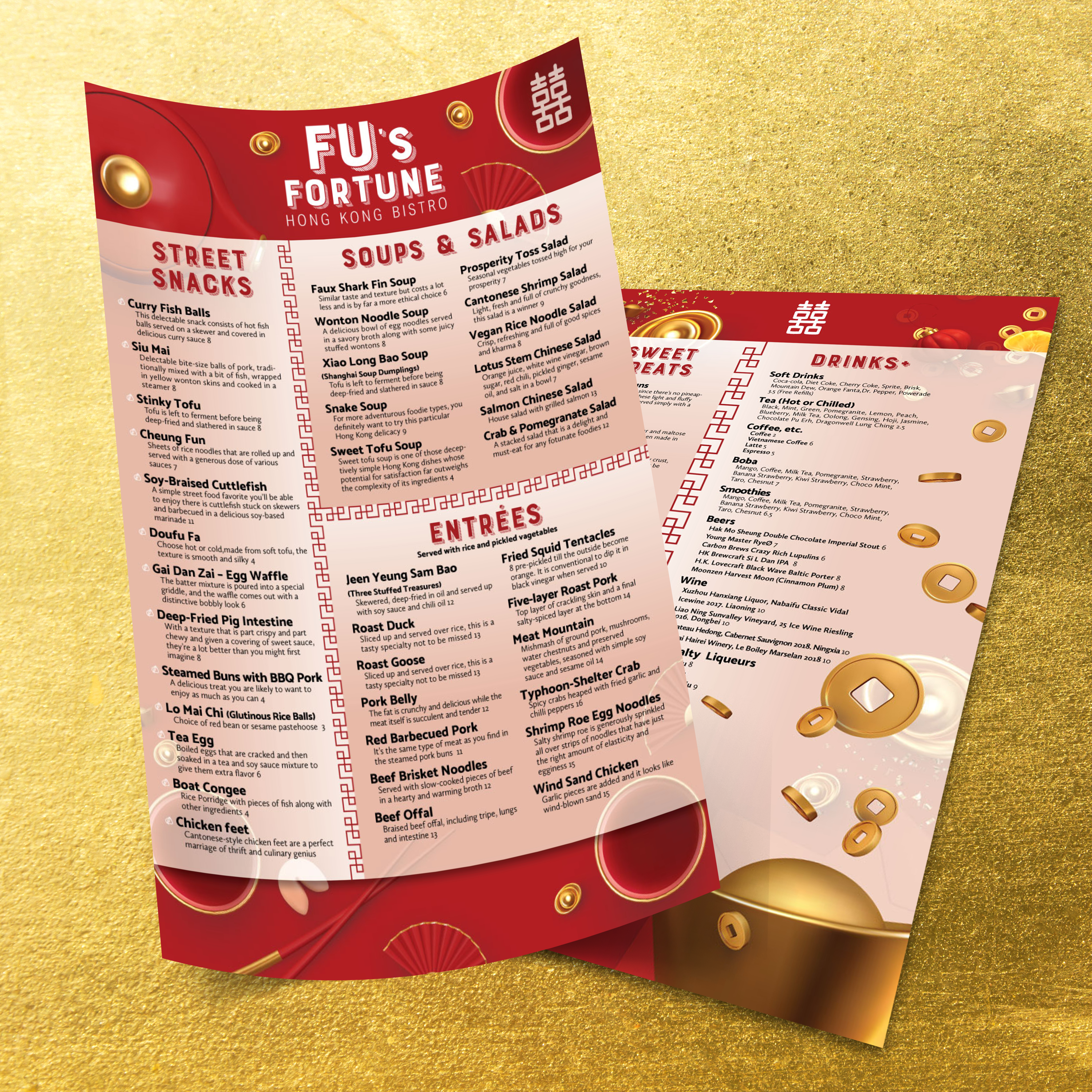
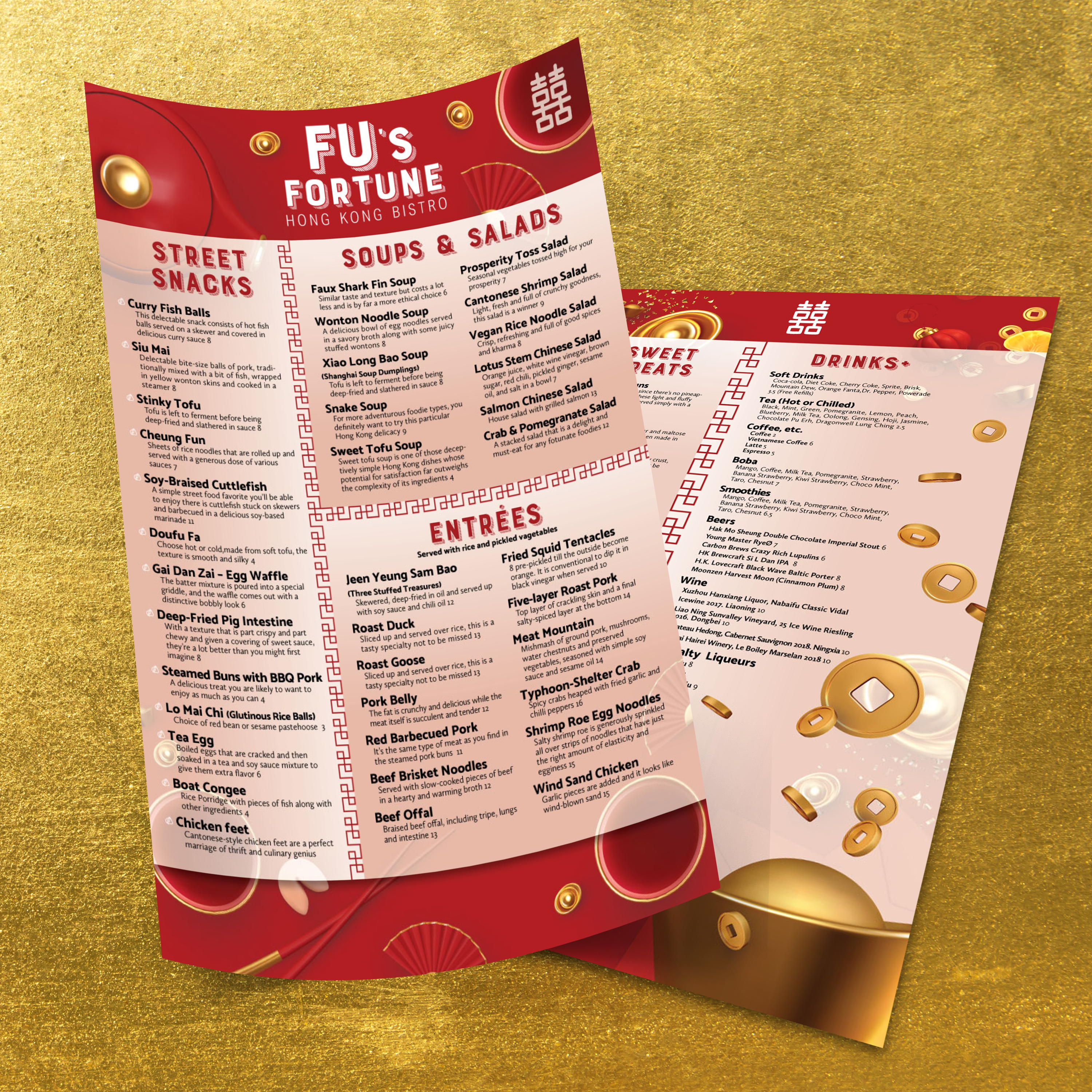
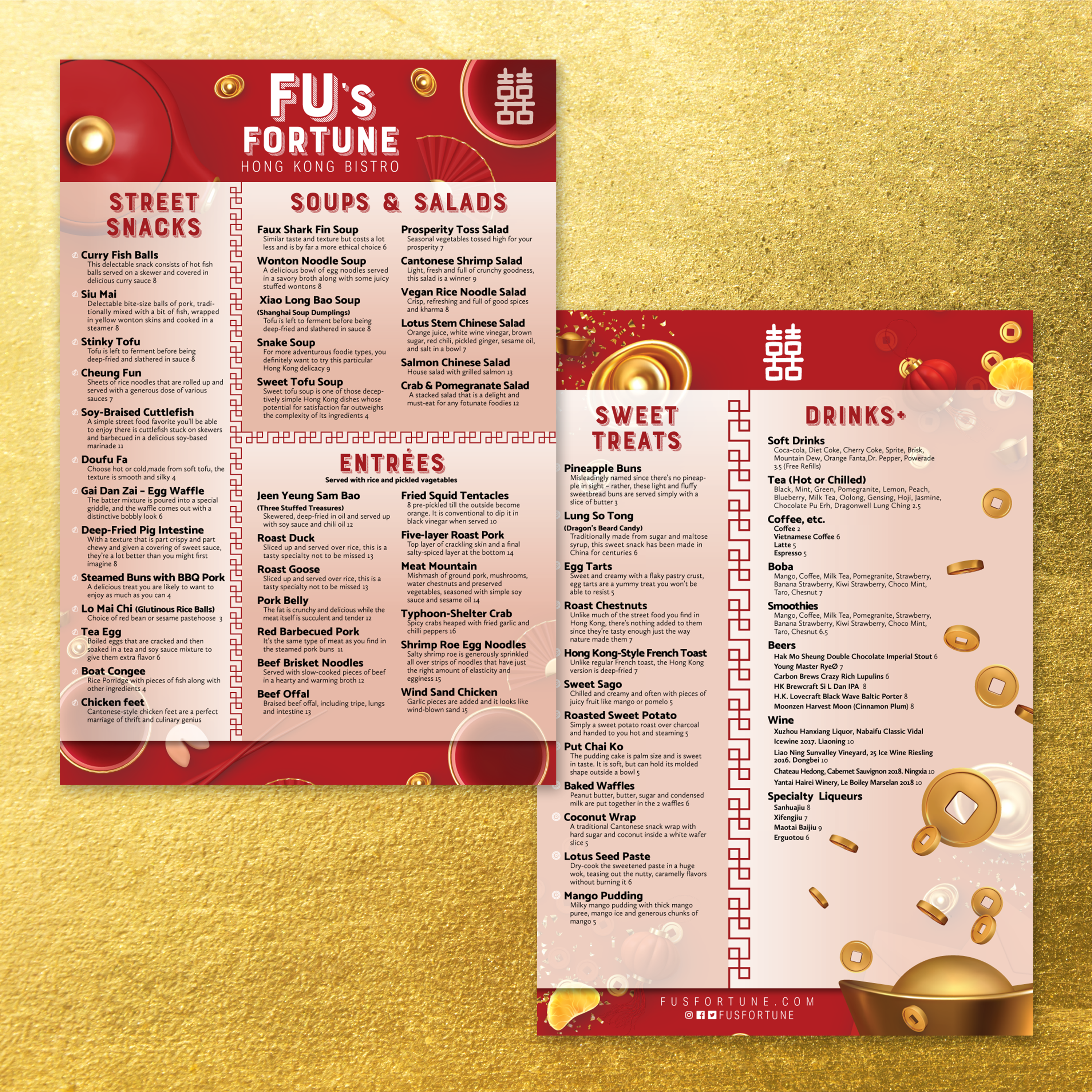
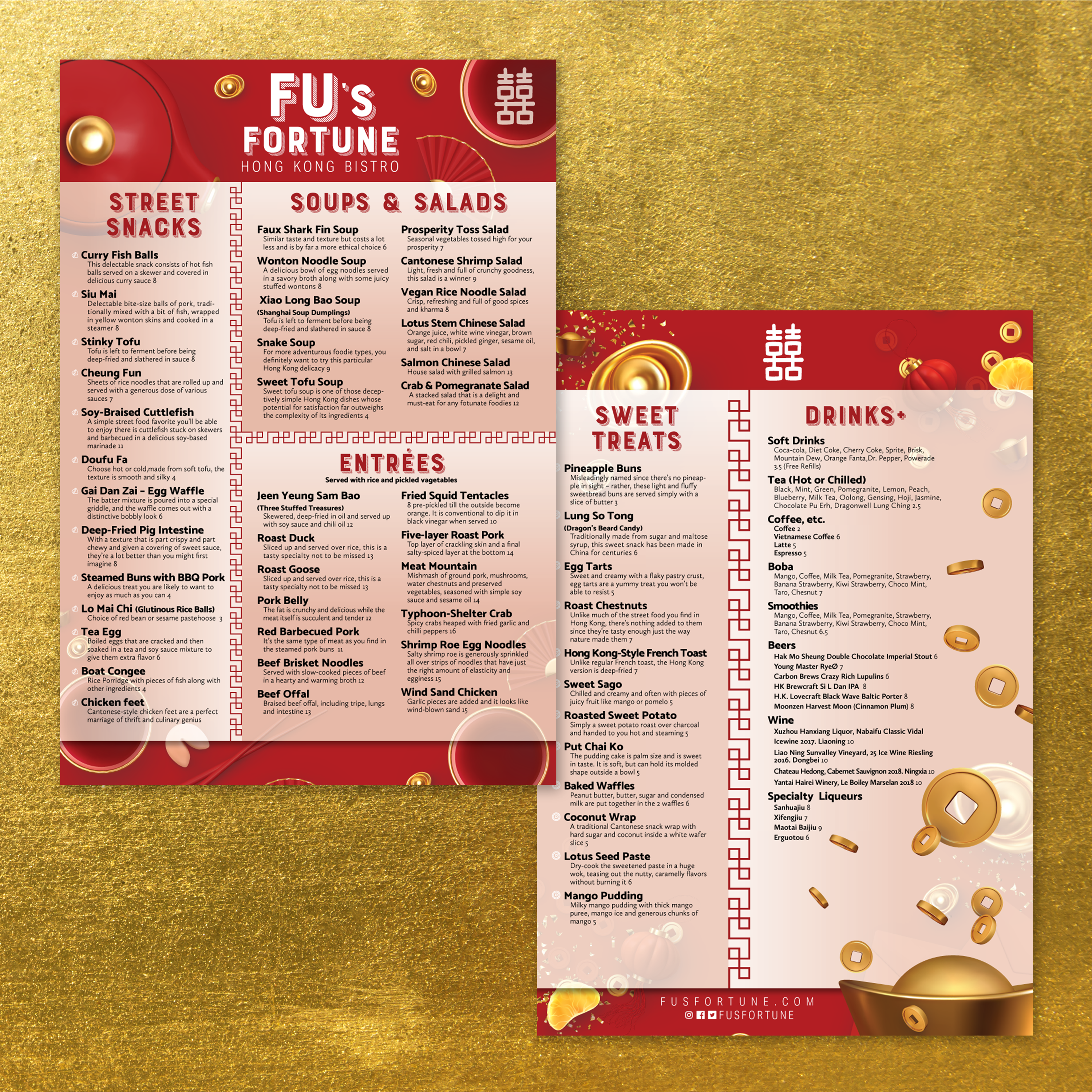
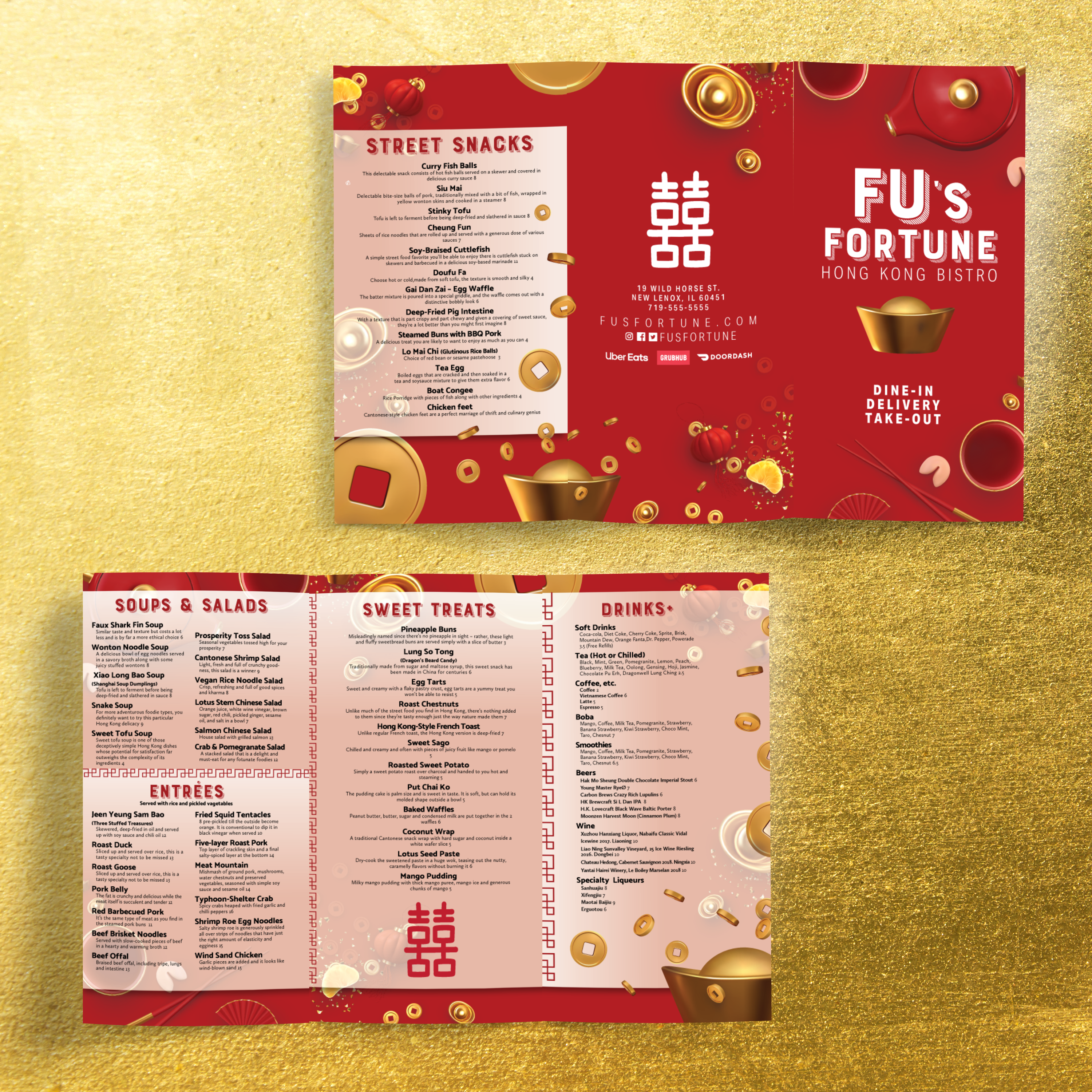
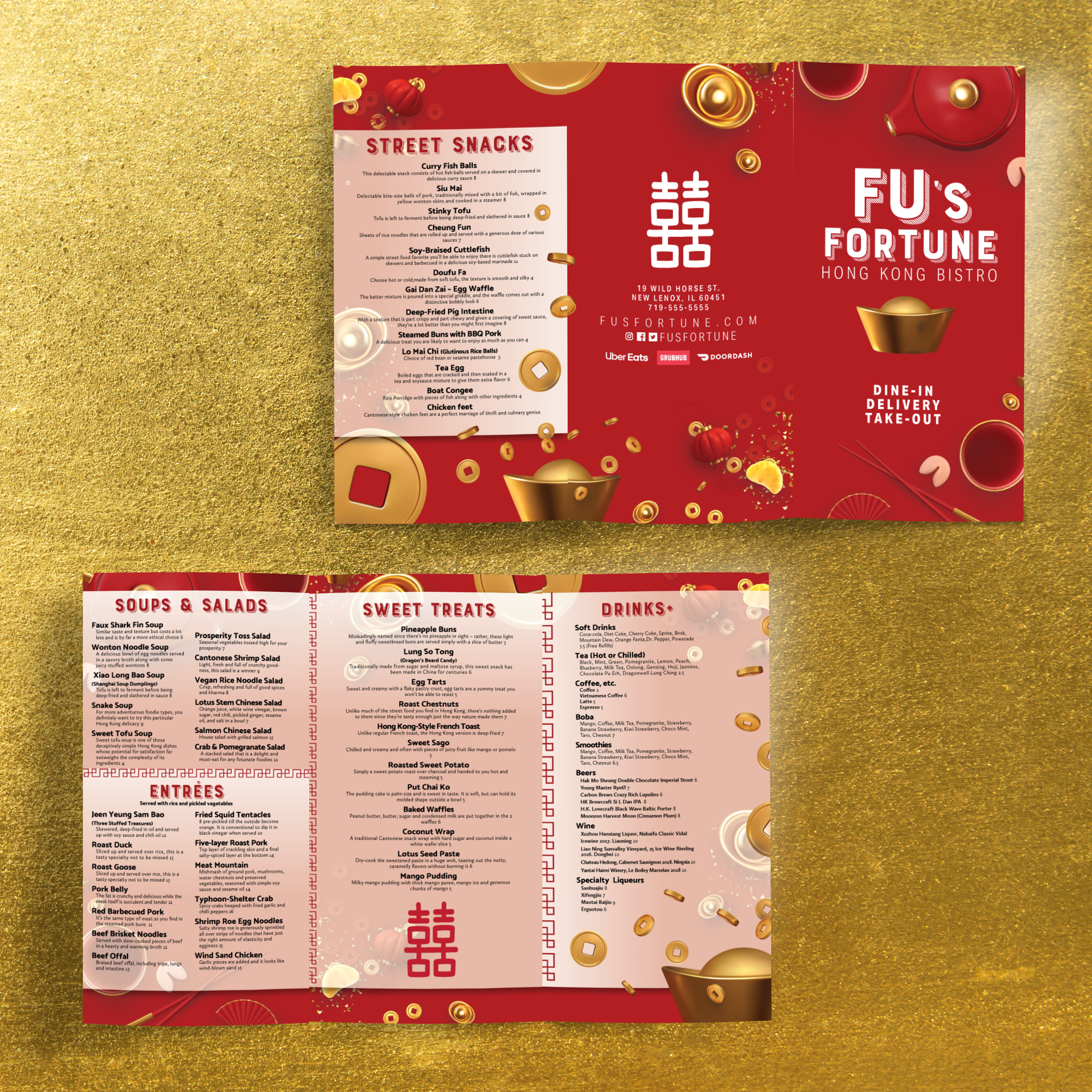
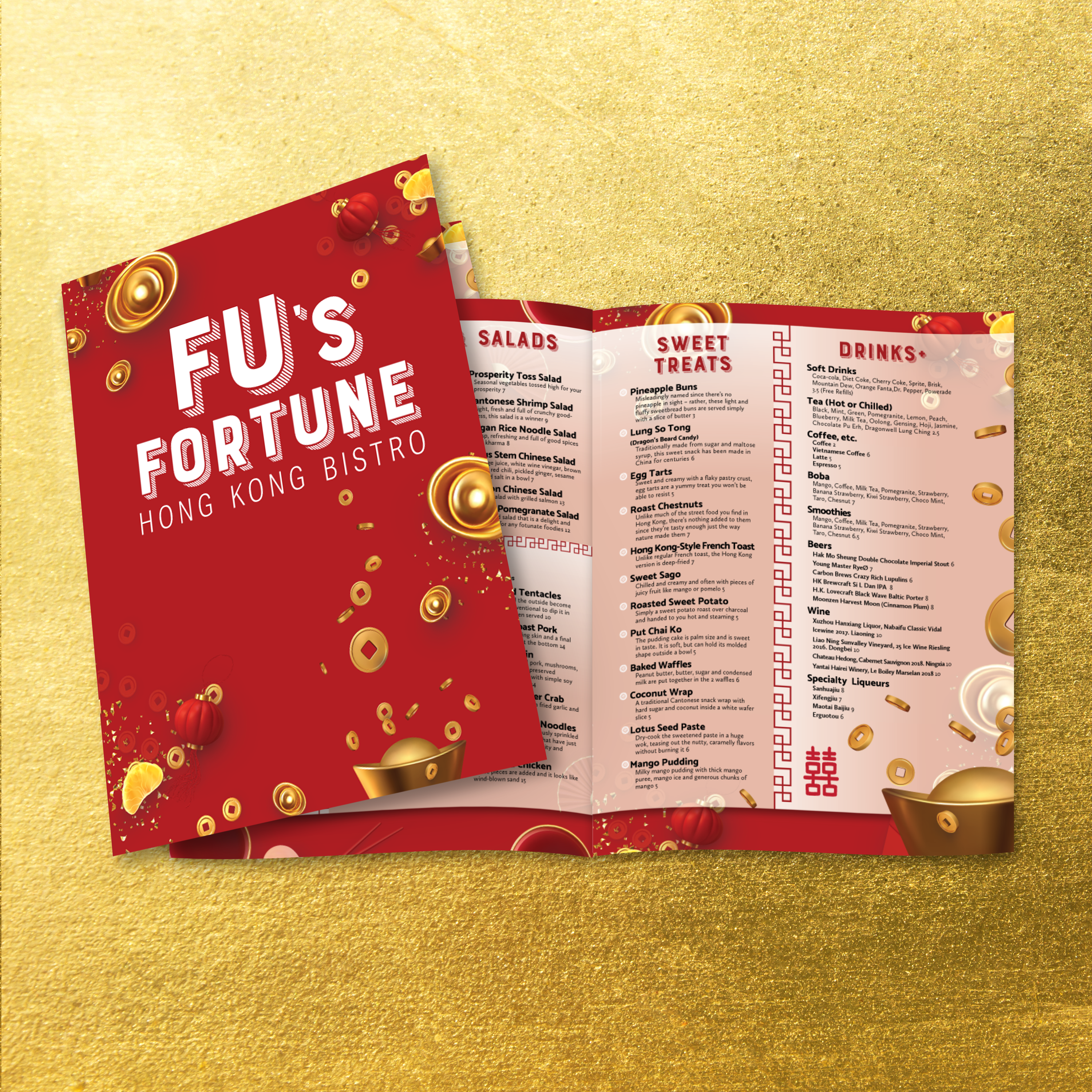
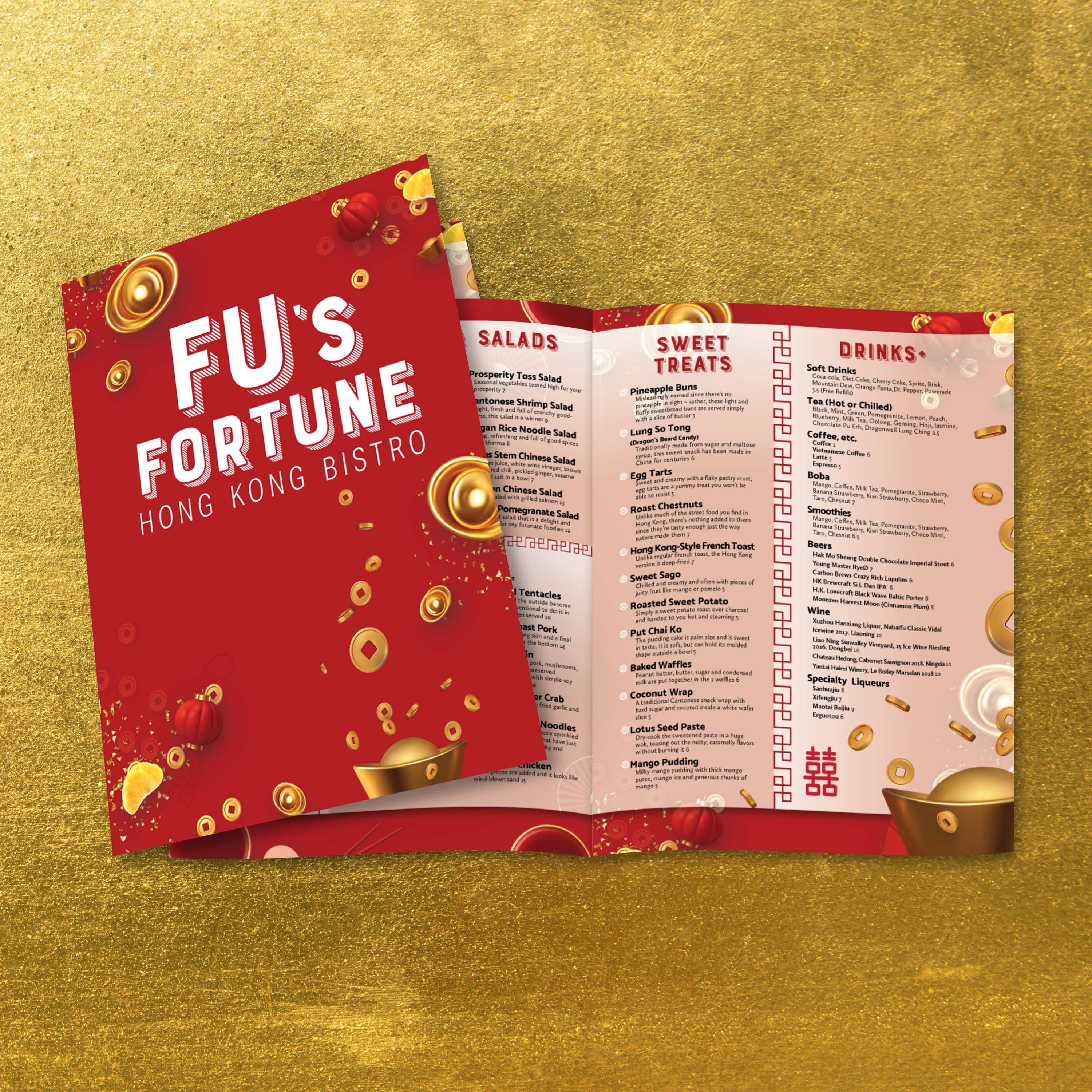
Plantillas de menú de comida china

14 productos

Mostrando 1 - 14 de 14 productos

Mostrando 1 - 14 de 14 productos
Ver

Recently viewed

Free Chinese menu templates provide a fast and professional layout, but the paper you print on determines how long that menu remains clean, readable, and presentation-ready in real service conditions.

Better Performance Than Paper or Lamination in Busy Chinese Restaurants

Chinese restaurants deal with steam, humidity, sauces, grease, and constant menu handling. Standard paper absorbs moisture, tears easily, and looks worn quickly. Laminated menus often cloud up over time and lose clarity after repeated wiping. TerraSlate waterproof paper is designed for high-traffic use and maintains a crisp, premium appearance through daily service.

Supports Folded Formats Without Cracking or Stiffness

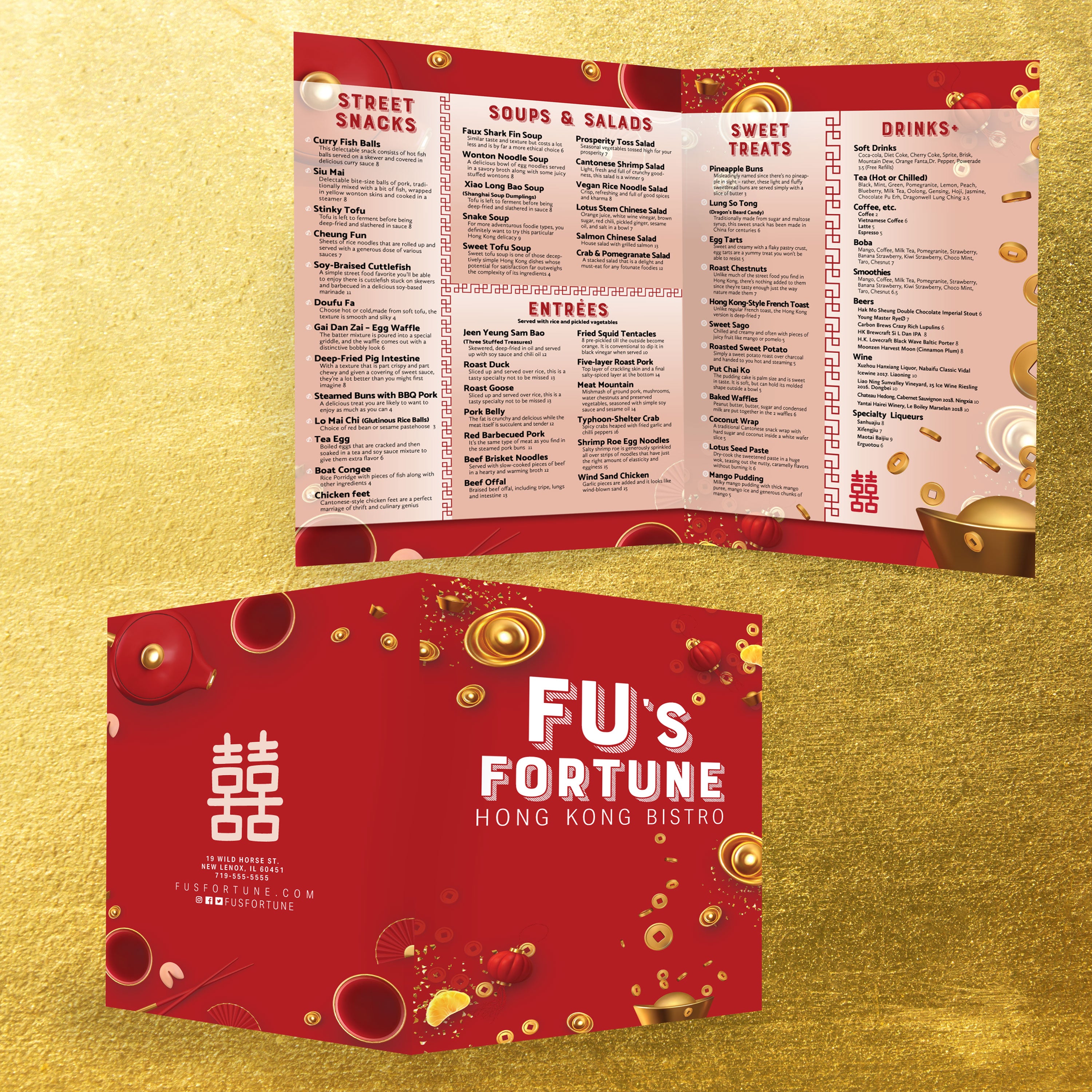
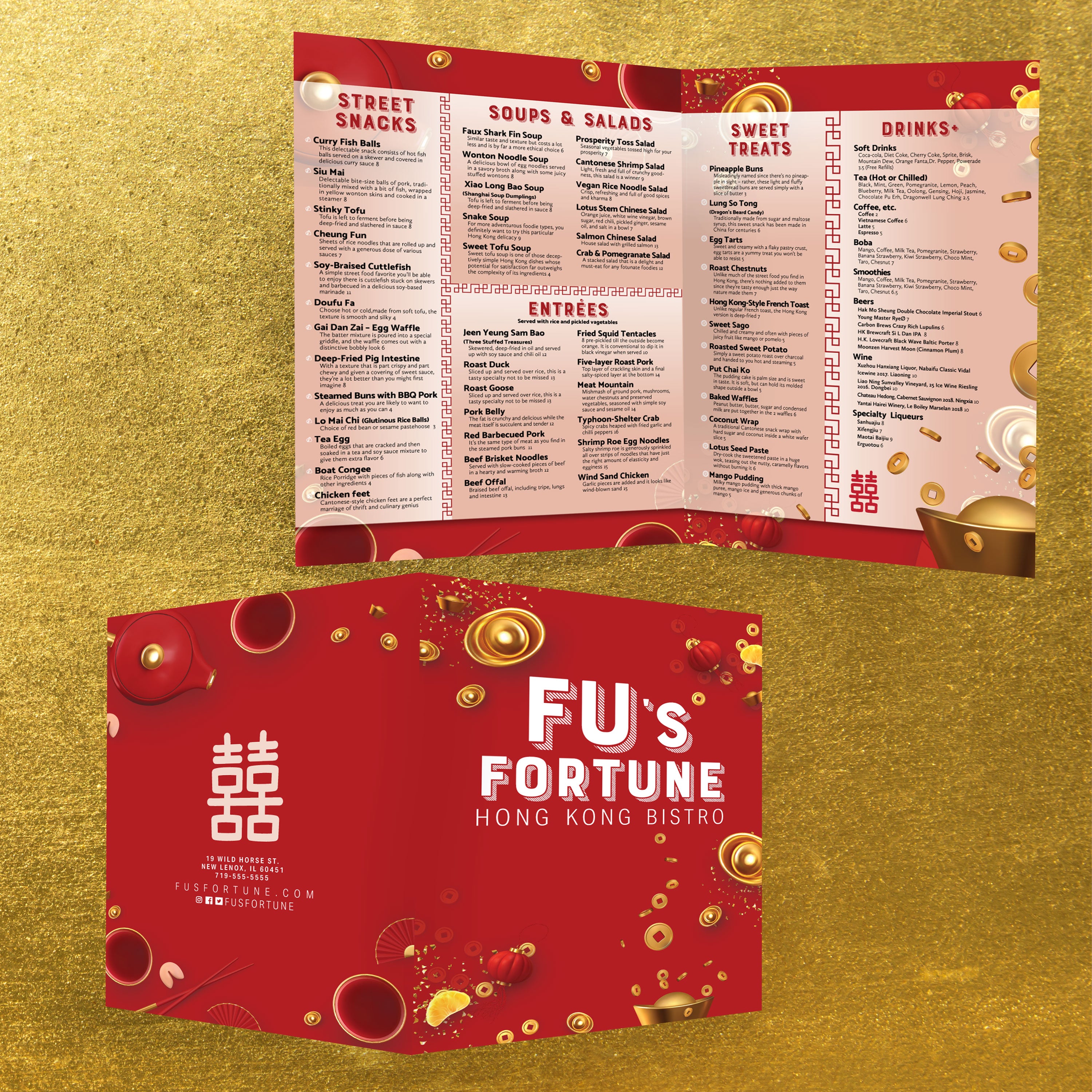
Many Chinese menus work best in folded layouts because they include appetizers, soups, noodles, rice dishes, chef specials, and combo meals. Menus that use traditional lamination also cannot be folded reliably and often crack or peel at creases. TerraSlate supports bi-fold, tri-fold, and gate-fold formats while remaining readable and structurally intact through repeated folding.

Strong Print Clarity for Dense Menus and Multilingual Text

Chinese menus often include detailed descriptions of dishes, their corresponding spice levels, ingredients, and bilingual or multilingual text. TerraSlate waterproof paper is fade-resistant and of archival quality, helping small typography and fine layout details remain sharp. That’s critical when guests need to scan while still understanding dish variations and options.

Thickness Options That Match Your Use Case and Print Equipment

Different menu formats require different rigidity. TerraSlate is available in multiple thicknesses, including 5 Mil for flexible handouts and 14 Mil for maximum durability. The 14 Mil option may need a commercial press and would work on a high-quality printer, making it ideal for long-life menus, table tents, and premium presentation pieces.

Faster Cleaning and Hygiene Support Without Menu Degradation

Menus need frequent wipe-downs in high-volume dining rooms. Simple soap and water is recommended for our paper, keeping menus clean without clouding or edge separation. TerraSlate can print menus for you with our proprietary TerraShield™ antimicrobial coating, offering an industry-leading turnaround time and supporting hygiene standards in high-touch environments.

Choosing a template format is both a design and operational decision. The proper format enhances readability, streamlines service, and ensures the menu withstands heavy handling, spills, and frequent cleaning. If you manage multiple cuisine concepts, our free Vietnamese food menu templatesfree poke bowl menu templates, and free Persian food menu templates make it easy to maintain layout consistency across different menus while still reflecting each restaurant’s unique style.

Start with How the Menu Will Be Used

Define whether the menu is primarily for takeout, delivery, dine-in, or a combination of these options. A menu that lives in delivery bags needs different priorities than one passed around a busy dining room. This step determines whether you need stackable single sheets, folded formats, or multiple versions built from the same template system.

Use Single-Sheet Flyers for Takeout and Delivery

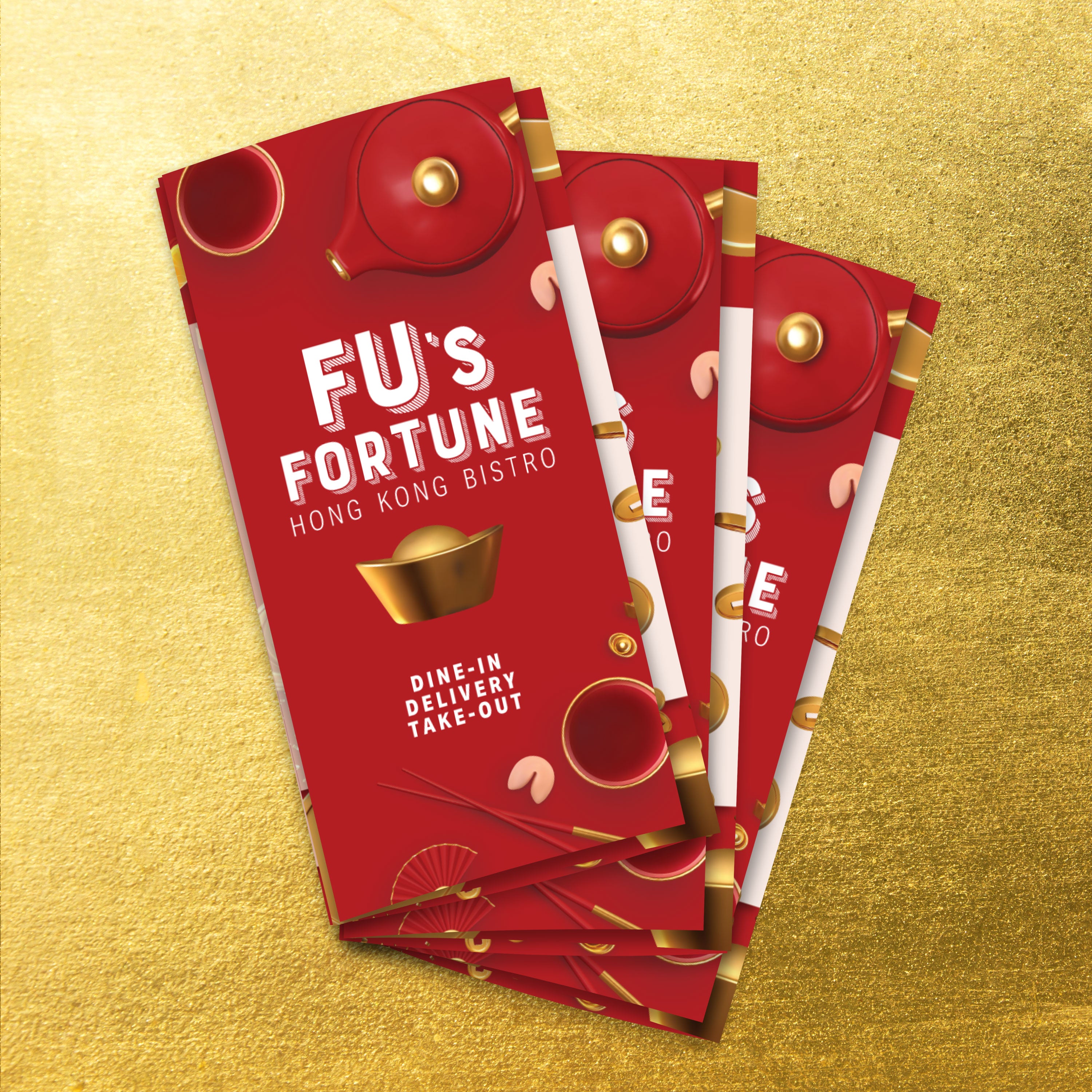
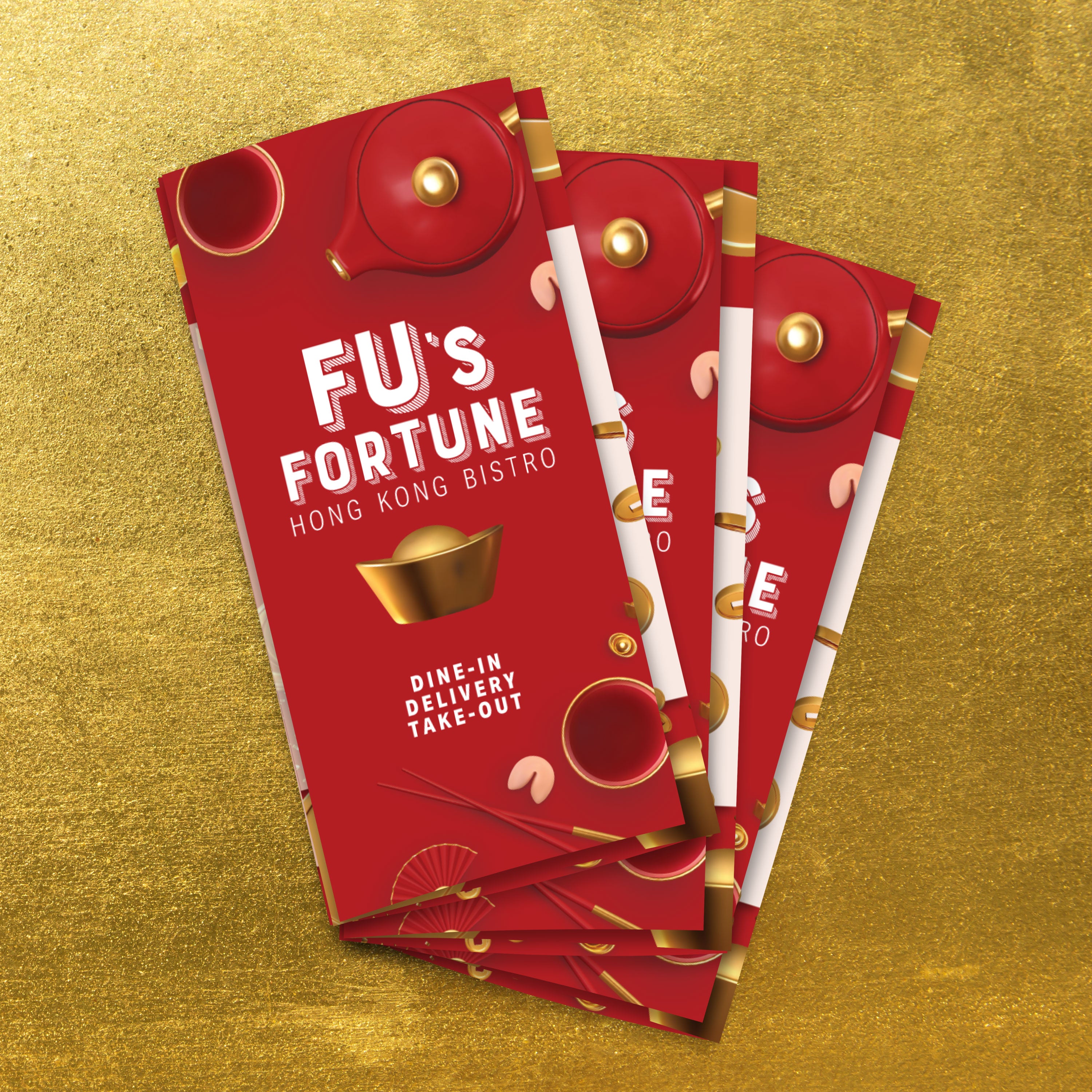
Flyers are ideal for high-volume distribution because they are easy to print, stack, and include in bags. They work well for combo highlights, lunch specials, and QR-based ordering links. Printed on waterproof synthetic paper, flyers stay legible even when exposed to kitchen splashes, humidity, and repeated folding, without the clouding that laminated pieces develop over time.

Choose Bi-Fold and Tri-Fold Menus for Dining Room Navigation

Dine-in menus often need more structure to separate appetizers, soups, noodles, rice dishes, chef specials, and drinks. Bi-fold and tri-fold formats help guests scan and reduce ordering confusion during peak hours. Menus that use traditional lamination also cannot be folded reliably and often crack, peel, or cloud up at creases, while TerraSlate supports clean folds without degradation.

Use Gate Folds for Premium Presentation or Large Menu Builds

Gate folds create a strong visual reveal and provide additional space without creating an oversized single sheet. They work well for banquet-style offerings, specialty regions, or chef highlight sections while keeping the menu compact at the table. Synthetic waterproof paper supports gate folds without the structural failure seen in laminated menus.

Match Thickness to Traffic Level and Handling Intensity

Lighter thicknesses are practical for fast turnaround and frequent updates, while heavier stock is better for reuse and long-term durability. TerraSlate is available in multiple thicknesses, including 14 Mil for maximum durability, which may require a commercial press and is compatible with high-quality printers. This option is beneficial for menus that need rigidity for countertop display or long service cycles.

Build Templates That Support Bilingual and Allergen Callouts

Chinese menus often include bilingual labeling, spice levels, and dietary notes. Select template formats with sufficient spacing and hierarchy to maintain readability without crowding. Folded layouts help separate categories while leaving room for allergen callouts, QR codes, and combo guidance without overwhelming guests.

Choosing the right A-series size helps your Chinese menu stay easy to handle, easy to read, and sized correctly for your service style, whether you’re printing takeout inserts or large-format displays.

  • A5 (148 mm × 210 mm) for Inserts and Takeout Handouts: Use A5 for compact takeout menus, dessert inserts, promo cards, and limited-time specials where space efficiency and fast distribution matter.
  • A4 (210 mm × 297 mm) for Standard Dine-In Menus: A4 is the standard size for full dine-in menus, as it strikes a balance between readability, organization, and ease of table handling in high-traffic dining rooms.
  • A3 (297 mm × 420 mm) for Large Menus and Photo-Heavy Layouts: Choose A3 when your menu features extensive categories, combo platters, chef specials, or high-resolution imagery that requires more space for clean navigation.
  • A2 (420 mm × 594 mm) for Menu Boards and Group Displays: A2 is ideal for wall menus, reusable placemat-style layouts, or countertop displays where maximum visibility and larger typography enhance ordering speed.
  • Folded Formats Become Easier at Any Size: Menus that use traditional lamination also cannot be folded reliably and often curl up over time, while synthetic waterproof paper supports bi-fold, tri-fold, and gate-fold designs without cracking.

By matching your template size to how guests interact with the menu, you enhance usability, reduce replacement cycles, and create a more consistent and professional presentation across takeout, dine-in, and display formats.

Chinese menus face constant exposure to sauces, steam, humidity, and oily hands, so the material must withstand real service pressure while remaining clean and readable.

Built for Moisture, Heat, and Heavy Handling

Steam from hot dishes, condensation from drinks, and frequent spills quickly warp paper and break down standard printed menus. Synthetic waterproof paper, made with military-grade polymers, is engineered to remain 100% waterproof and rip-proof, keeping menus flat, clean, and usable even in high-traffic dining rooms.

Keeps Menus Clear Without Lamination Clouding

Laminated menus tend to cloud up over time, especially after repeated wiping and exposure to grease. Synthetic waterproof menus eliminate the plastic laminate layer, helping text and photography remain crisp and easy to read throughout long service cycles.

Fold-Friendly Formats for Compact and Multi-Section Layouts

Chinese menus often need folded layouts to organize appetizers, soups, noodles, rice dishes, and chef specials without crowding. Menus that use traditional lamination also cannot be folded reliably and often crack or peel at creases. Synthetic waterproof paper supports bi-fold, tri-fold, and gate fold formats without breakdown, making it ideal for both dine-in and catering use.

Fade-Resistant and Archival Quality for Long-Term Presentation

Menus exposed to intense lighting and constant use can fade, stain, or discolor. Military grade polymer paper is fade-resistant and of archival quality, helping colors stay vibrant and dish names remain legible over time. This is especially valuable for restaurants and chains that need consistent branding across multiple locations.

Faster, Safer Cleaning That Supports Hygiene Protocols

In the food service industry, quick cleaning is non-negotiable. Simple soap and water are recommended for our paper, keeping menus spotless without compromising print clarity. TerraSlate can print menus for you with our proprietary TerraShield™ antimicrobial coating, offering an industry-leading turnaround time and adding an extra layer of hygiene support for high-touch environments.

Thickness Options for Everything From Handouts to Heavy-Duty Menus

Different service formats require different rigidity. TerraSlate is available in multiple thicknesses, including 14 Mil for maximum durability, which may require a commercial press and is compatible with high-quality printers. This allows restaurants to match menu strength to volume and handling intensity without sacrificing print quality.

Seasonal updates should not force you into constant reprints, relamination, and replacement cycles. Durable synthetic templates enable you to quickly refresh pricing and limited-time items while maintaining the same professional layout in rotation.

  • Reuse the Same Template Structure All Year: A durable template keeps your menu layout consistent, allowing seasonal dishes, holiday bundles, and limited-time items to be easily swapped in without requiring a full redesign of the menu each cycle.
  • Avoid Lamination Clouding and Fold-Line Damage: Laminated menus tend to cloud over time and often crack at folds, whereas menus printed on waterproof synthetic paper remain clear and fold-ready through repeated seasonal use.
  • Clean, Reset, and Reuse Between Promotions: Simple soap and water is recommended for our paper, so menus can be wiped clean after heavy service and reused when the subsequent seasonal swap launches.
  • Support Folded Formats for Rotating Specials and Banquet Menus: Menus that use traditional lamination also cannot be folded reliably. In contrast, synthetic waterproof menus support bi-fold, tri-fold, and gate-fold layouts, making extensive seasonal offerings easier to organize.
  • Reduce Waste and Replacement Costs Over Time: Rip-proof, fade-resistant synthetic menus last significantly longer than paper or laminated menus and remain recyclable through standard curbside bins when finally retired.

With reusable synthetic templates, seasonal menu changes become faster to execute, easier to manage, and more consistent in presentation across every service period.

A strong Chinese menu design should evoke a sense of authenticity and cultural grounding. Still, it also has to perform like a modern brand asset: clear, consistent, durable, and easy to update across service formats and locations.

Use Cultural Motifs with Restraint and Purpose

Traditional elements, such as red tones, bamboo textures, plum blossoms, and subtle geometric borders, can convey heritage without overwhelming the layout. Keep motifs as accents rather than full-background patterns so dish names, pricing, and category labels remain easy to scan in busy dining environments.

Pair Calligraphy-Inspired Fonts with High Readability Typography

Brush-style fonts are best suited for section titles or feature callouts, while dish descriptions should utilize a clean, highly legible typeface. This combination preserves the cultural character while ensuring guests can read quickly under low-light dining conditions and during peak service rushes.

Build a Modern Visual Hierarchy Around Classic Color Palettes

Red, gold, and black are powerful cultural signals, but they need controlled contrast to avoid visual fatigue. Use strong hierarchy through spacing, clear headers, and consistent formatting for spice levels, combo notes, and chef specials so the menu reads like a modern, organized guide rather than a dense poster.

Design for Folded Formats Without Losing Brand Consistency

Folded menus help Chinese restaurants organize large category lists, banquet options, and specialty sections. Menus that use traditional lamination also cannot be folded reliably and often cloud up or crack at creases. Synthetic waterproof paper supports bi-fold, tri-fold, and gate fold designs while keeping folds crisp and layouts consistent across every panel.

Protect Cultural Detail with Durable, Fade-Resistant Materials

Decorative borders, delicate linework, and bilingual typography require clean print fidelity. High-GSM synthetic menus maintain vivid color and crisp detail through spills, grease, humidity, and heavy handling. This prevents the loss of authenticity that occurs when laminated menus become cloudy or paper menus stain and warp.

Align Sustainability with Long-Term Brand Presentation

Modern branding increasingly includes sustainability expectations. Rip-proof, archival quality menus reduce waste by lasting longer and requiring fewer reprints. TerraSlate waterproof paper is recyclable through standard curbside bins, helping operators reduce replacement cycles while keeping menus presentation-ready across multiple menu seasons.

Ensure Print Compatibility Across Locations and Equipment

Multi-location restaurants benefit from templates that print consistently across different environments. TerraSlate is available in multiple thicknesses, including 14 Mil for maximum durability, which may require a commercial press and is compatible with high-quality printers. This enables everything from lightweight takeout inserts to premium dine-in menus using one brand-consistent design system.

Make Room for Modern Add-Ons Without Breaking Aesthetic Flow

Modern menus often require QR codes, allergen notes, and dietary callouts. These elements should be integrated into dedicated zones so they remain functional without disrupting the cultural design. Folded panels and modular template blocks help you add digital touchpoints while maintaining a clean and traditionally inspired layout.