Modèles de menus de poissonnerie

14 produits

Affiche 1 - 14 de 14 produits

Affiche 1 - 14 de 14 produits
Voir

Recently viewed

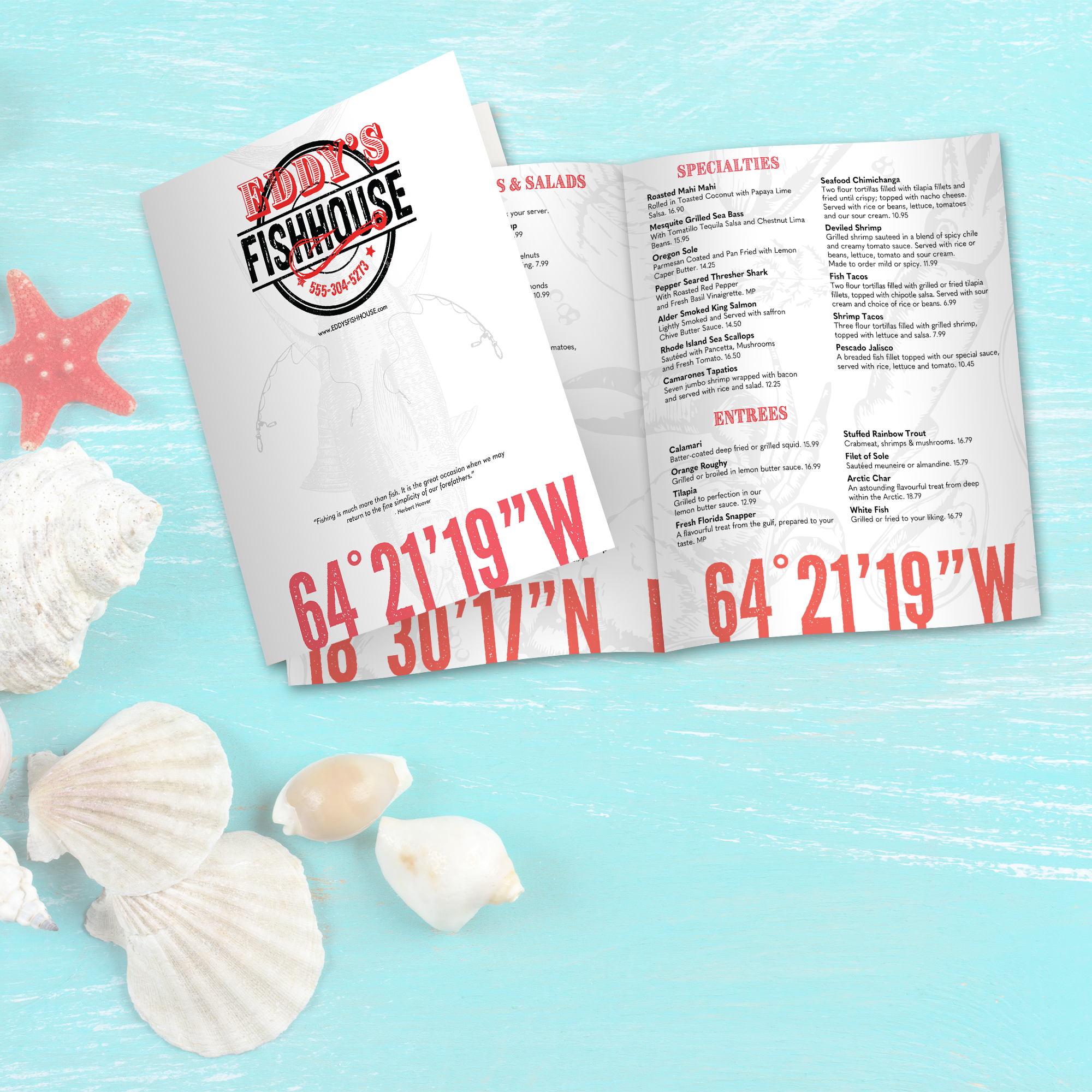
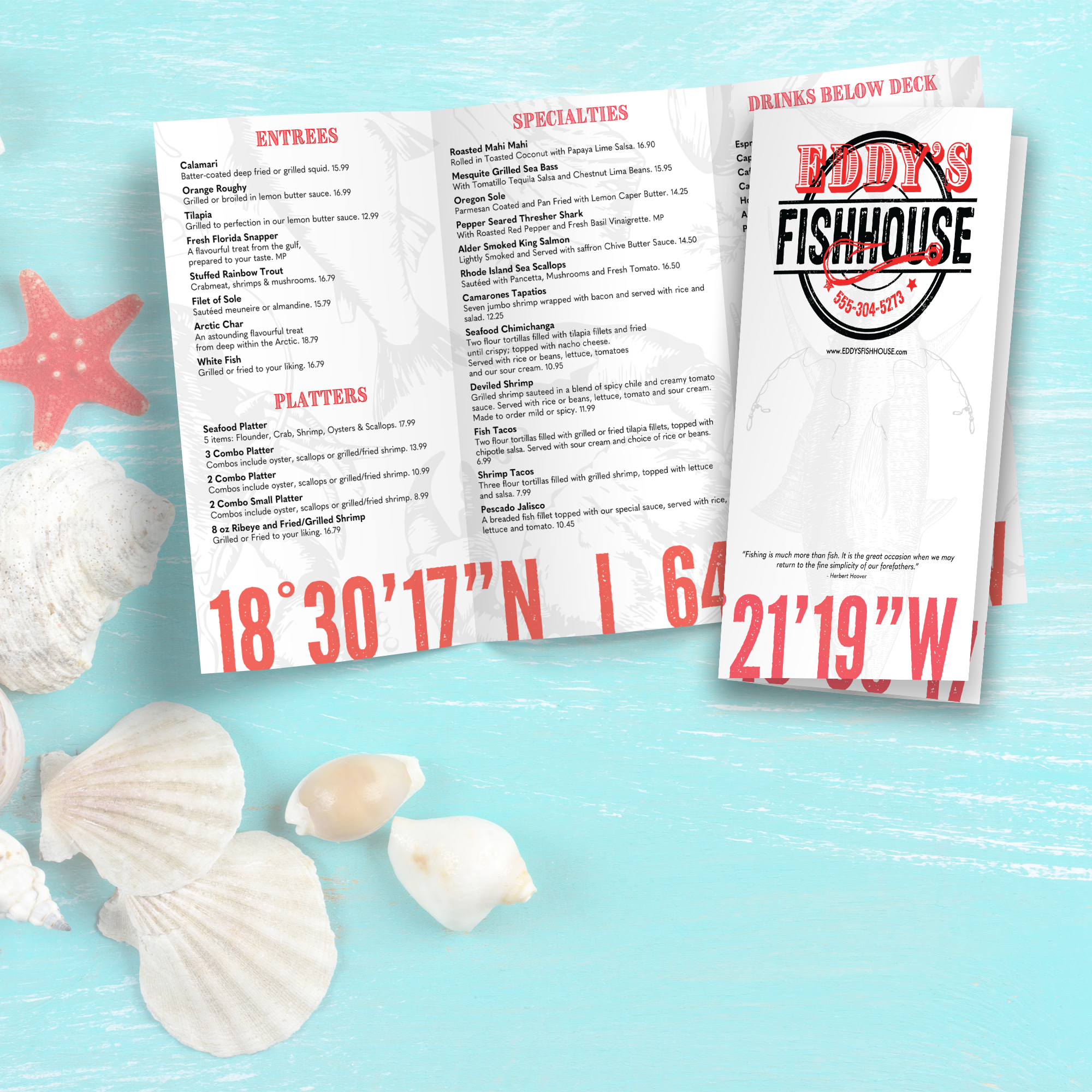
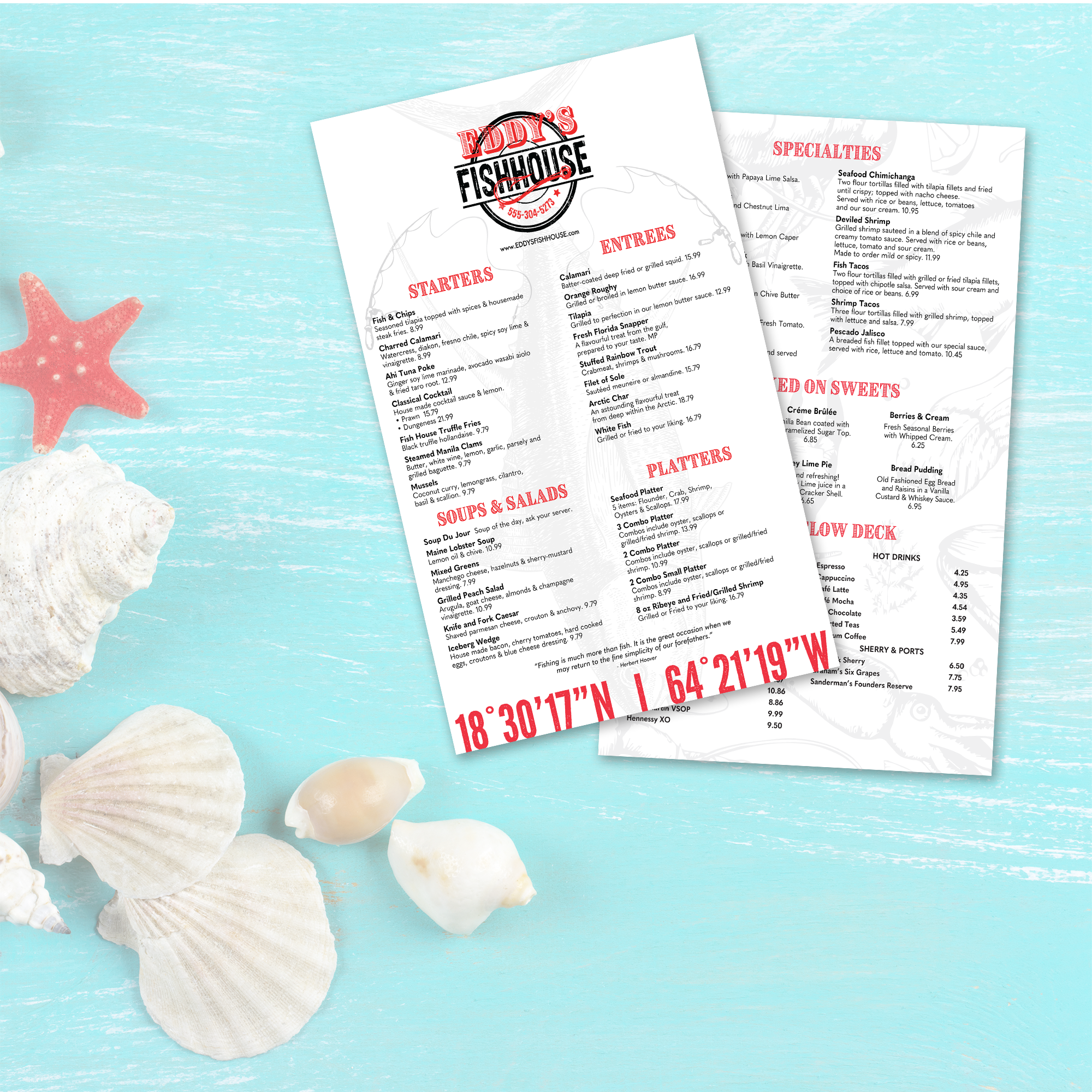
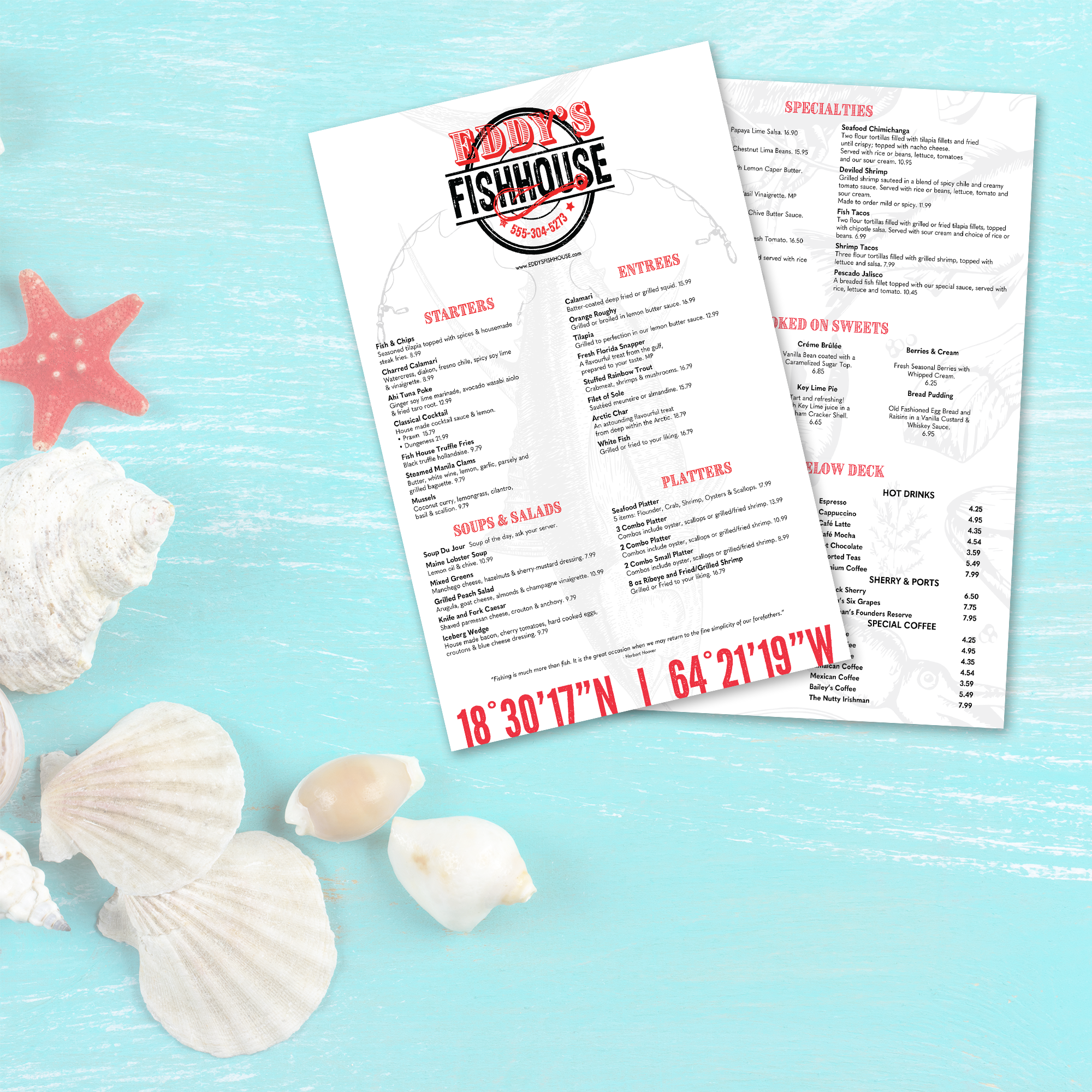
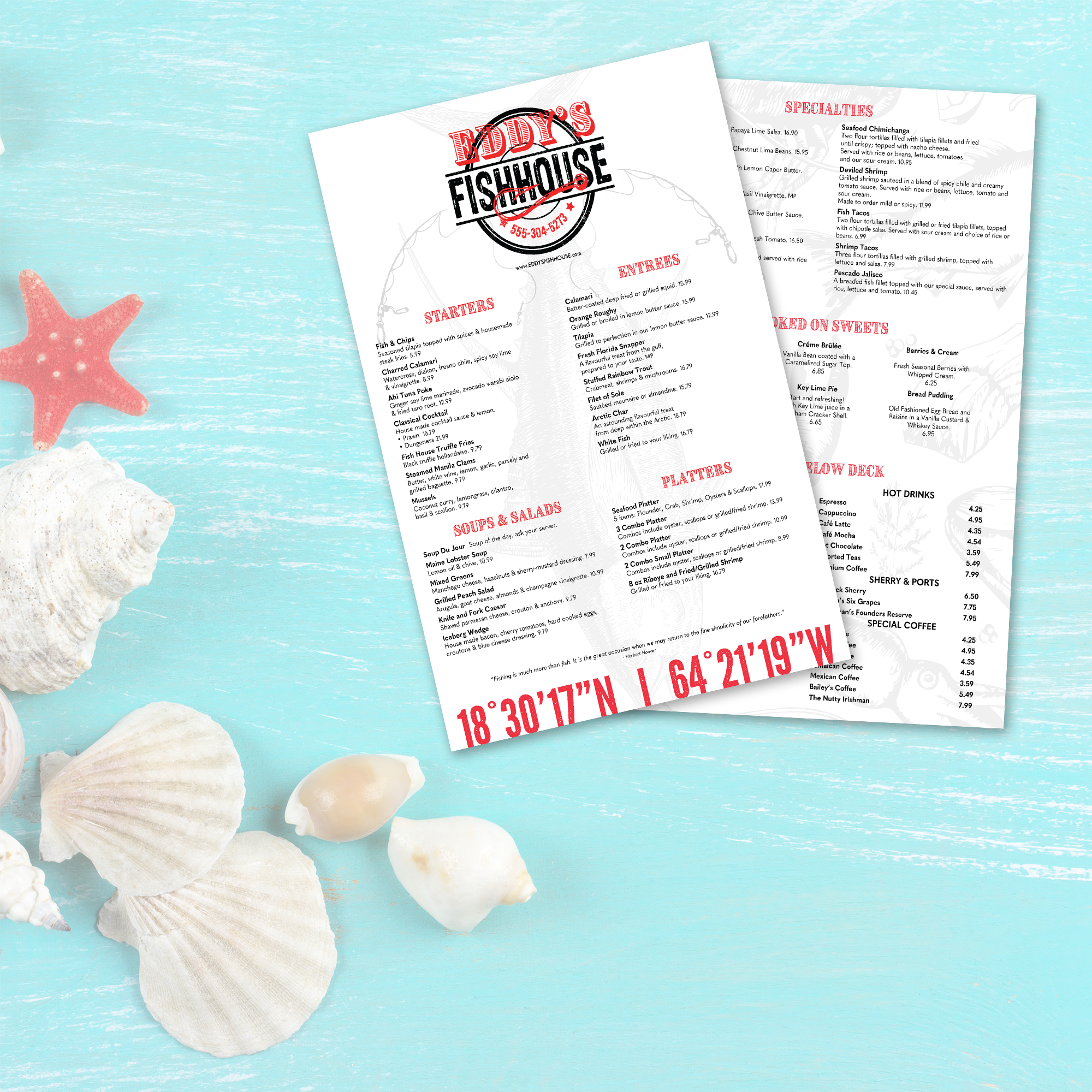
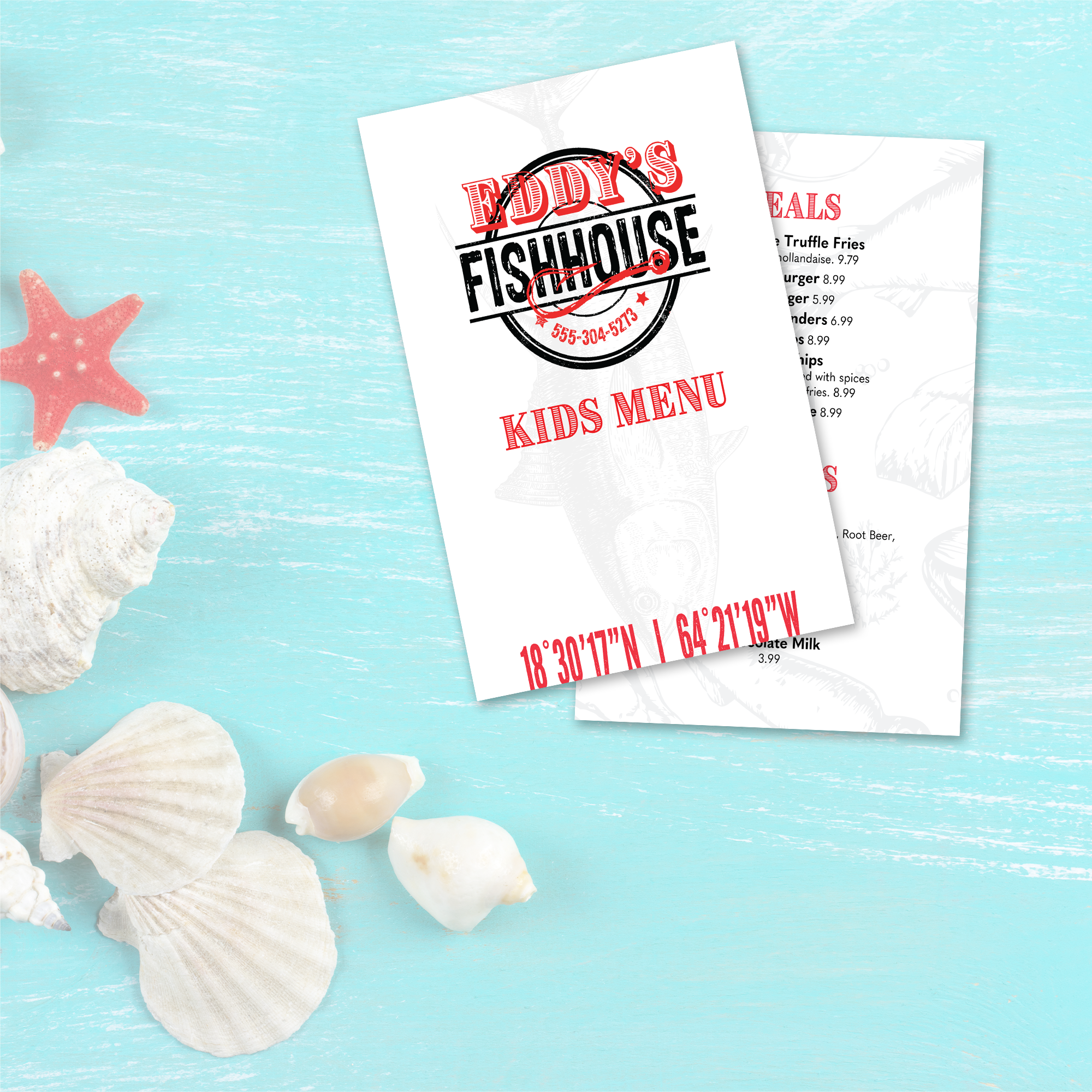
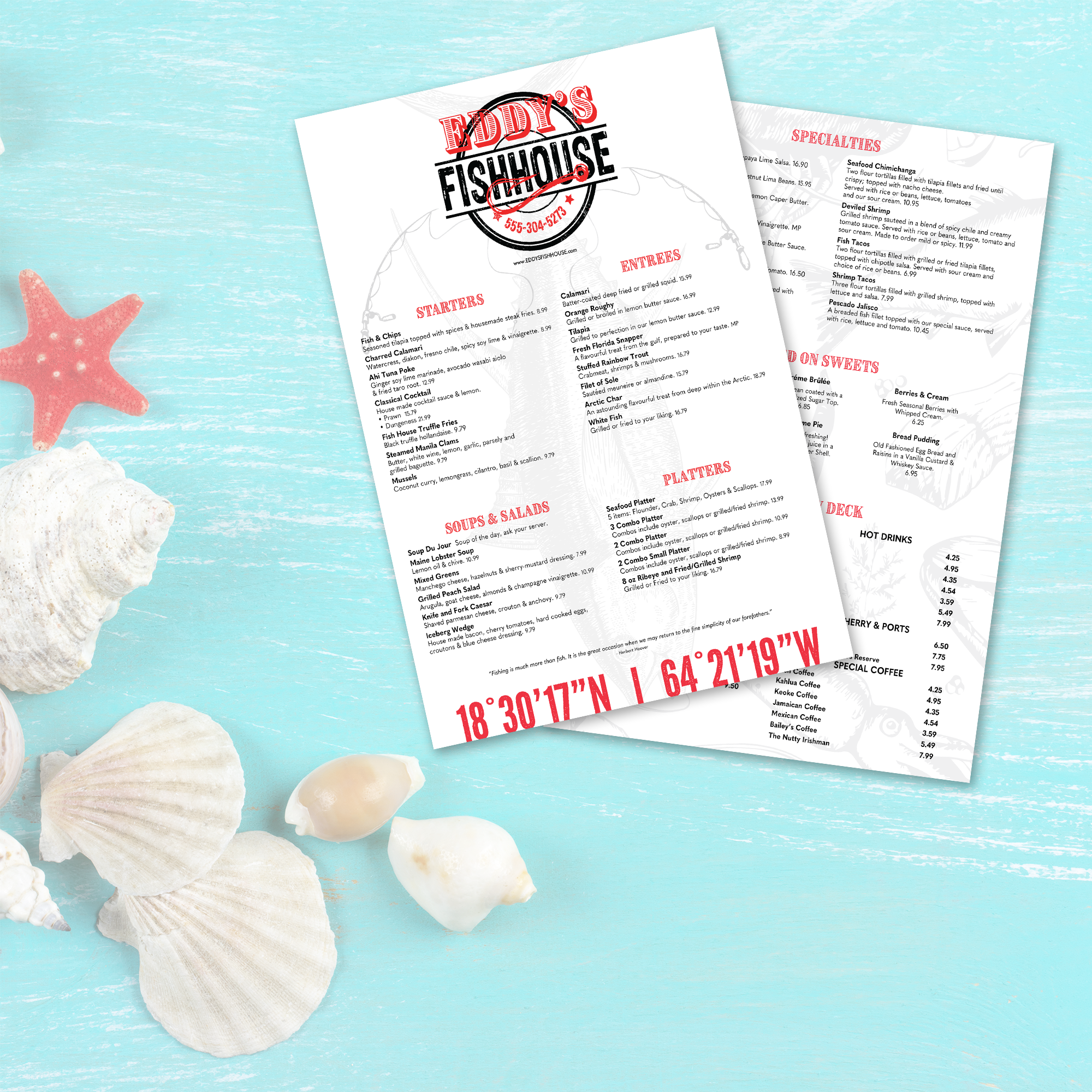
Seafood restaurants rely heavily on presentation. Guests expect a fish house menu to feel clean, premium, and easy to scan, mainly when the menu includes raw bar selections, fresh catch listings, and market specials. When a seafood menu looks crowded or inconsistent, it can make even great dishes feel less refined. That’s why free fish house menu templates are such a strong starting point. A well-built template provides a clear structure, consistent formatting, and a professional layout that facilitates fast ordering and enhances the overall dining experience.

Clear Category Flow for Seafood Starters and Entrées

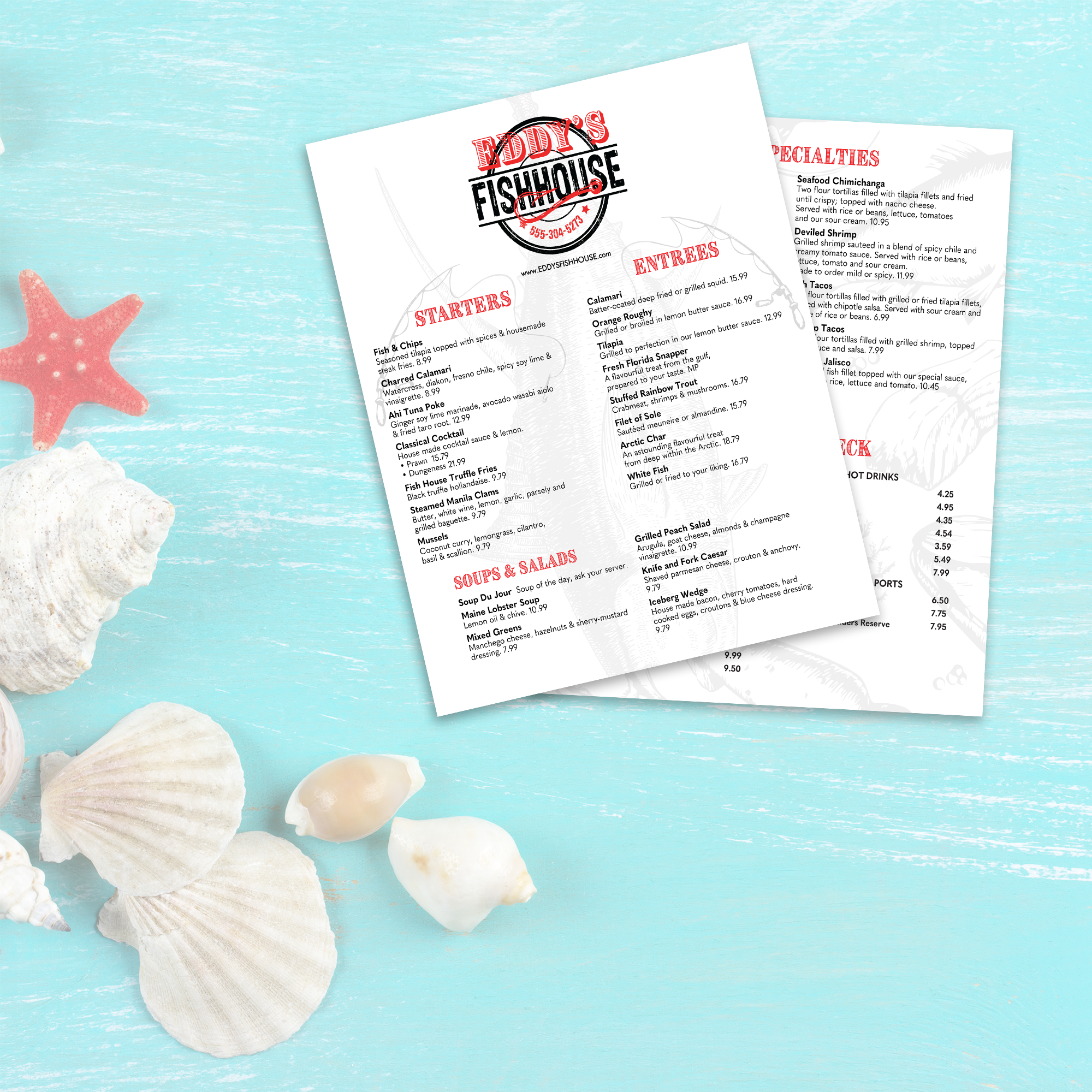
Fish house menus typically include a variety of item types, such as chilled seafood, starters, entrées, and chef's specials. A template keeps these sections separated and ordered logically, so guests can move through the menu without getting lost. When categories are clearly labeled and positioned in a familiar flow, guests order more confidently, and staff spend less time answering basic questions, such as “where are the oysters?” or “what comes with the entrées?”

Readability for Ingredient-Rich Seafood Dishes

Seafood dishes often require short descriptions to explain preparation styles, sauces, and sides. Without good formatting, these descriptions quickly become dense and complex to scan. A template helps keep descriptions short and consistent by maintaining spacing, margins, and a predictable structure for every item. This enhances readability and gives the menu a more premium feel, even when listing multiple fish, shellfish, and seasonal ingredients.

Layout Structure That Highlights Fresh Catch and Specials

One of the most essential parts of a fish house menu is the fresh catch or seasonal section. If that area is buried or formatted like everything else, guests may miss it entirely. Templates support special callouts and dedicated space for fresh catch, market features, and rotating oyster selections without cluttering the main menu. This helps seafood restaurants sell higher-margin items while keeping their menus clean and easy to navigate.

Pricing Placement That Feels Clean and Confident

Seafood pricing needs to look intentional. When prices are scattered or inconsistent, guests hesitate, and ordering slows down. Templates keep pricing aligned, predictable, and easy to compare, which supports a more confident buying decision. This is especially useful for premium seafood items, market pricing, and chef specials where guests want clarity without the menu feeling like a price list.

Template Benefits for Frequent Menu Updates

Fish houses update menus often because seafood availability and pricing change frequently. A template makes updates faster because the formatting remains consistent, even when items are rotated. This prevents menus from appearing patched together after multiple changes and maintains a professional presentation. If your menu also includes a refined section for pasta dishes or Italian-inspired seafood plates, layout structure inspiration from our Free Italian Menu Templates can help maintain a clean, elegant flow while still keeping seafood at the center.

A fish house menu should feel easy to navigate, even when it includes raw bar selections, rotating specials, and multiple cooking styles. The best structure guides guests through the meal in a natural order, helping them start with chilled seafood, move on to shareables, and then choose entrées and sides without confusion. A strong template supports this flow by maintaining consistent section formatting and clean spacing, allowing guests to scan and staff to take orders efficiently.

Raw Bar, Oysters, and Chilled Seafood Placement

A raw bar is often one of the biggest differentiators for a fish house, so it should appear early and be clearly distinguished. Items like oysters, shrimp cocktail, and chilled towers require clean formatting because guests tend to compare them quickly. Keeping this section near the top also encourages guests to start with premium seafood selections, which increases ticket size and reinforces an impression of upscale quality.

Starters and Shareables That Drive Add-On Sales

Starters should be placed immediately after raw bar options, allowing guests to order a small plate before their entrées naturally. Transparent pricing and concise descriptions help guests make quick decisions, especially with shareable items like calamari, crab cakes, or seafood dips. Templates make this section more effective by maintaining consistent item formatting and preventing descriptions from becoming cluttered.

Entrées Grouped by Preparation Style

Instead of listing entrées as one long block, group them by cooking method, such as grilled, pan-seared, blackened, or baked. This helps guests compare options more quickly and creates a more curated experience. Preparation-based grouping also makes it easier to highlight fresh catches and chef specials without disrupting the menu's structure.

Sides, Sauces, and Enhancements Without Clutter

Sides and sauces should be visible but not compete with the main dishes. A well-structured menu includes a dedicated section for sides, sauces, and optional enhancements, allowing guests to customize their meal without feeling overwhelmed. Clean formatting here also supports upsells, such as premium sides or add-on proteins, while keeping the menu readable.

Desserts and Drinks for a Strong Finish

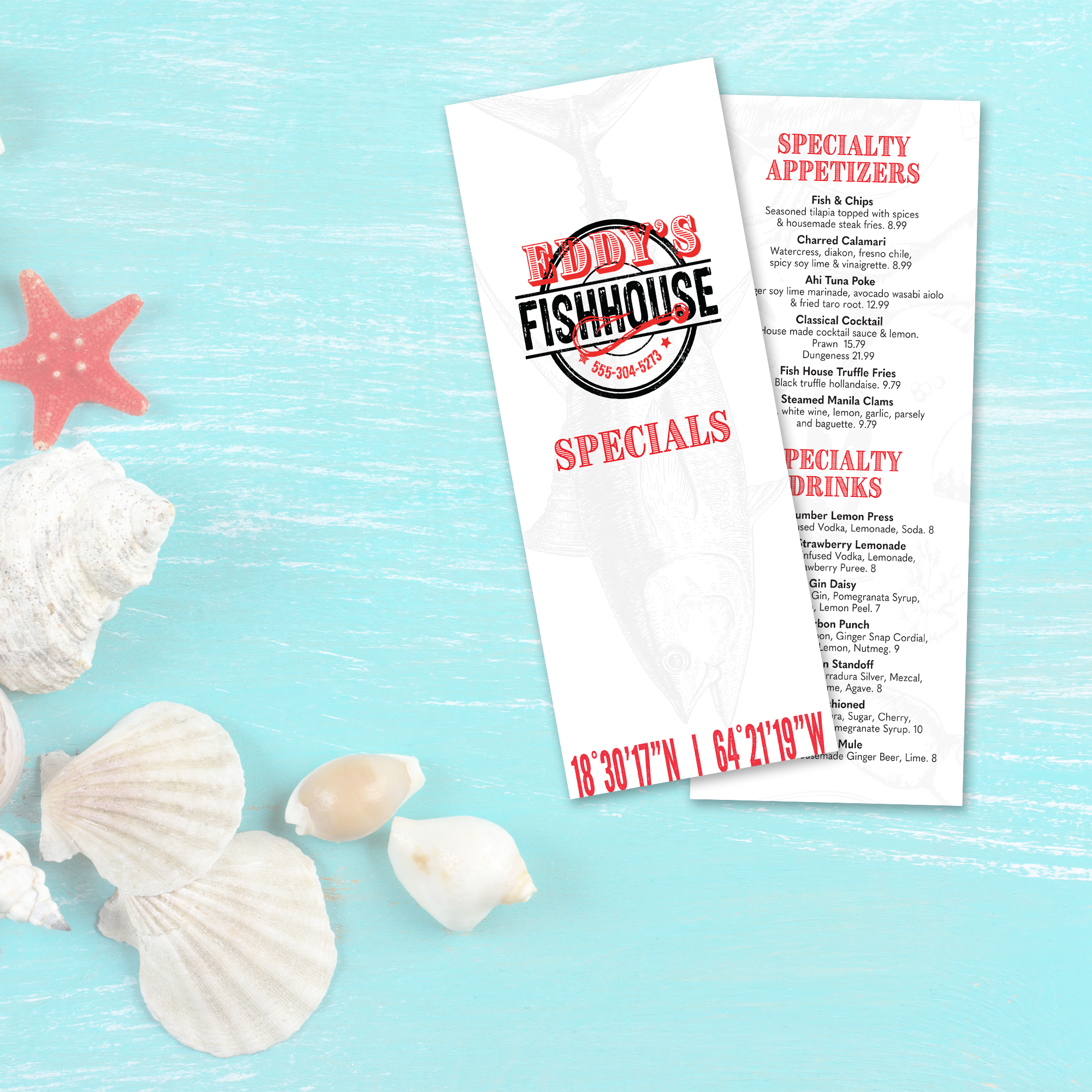
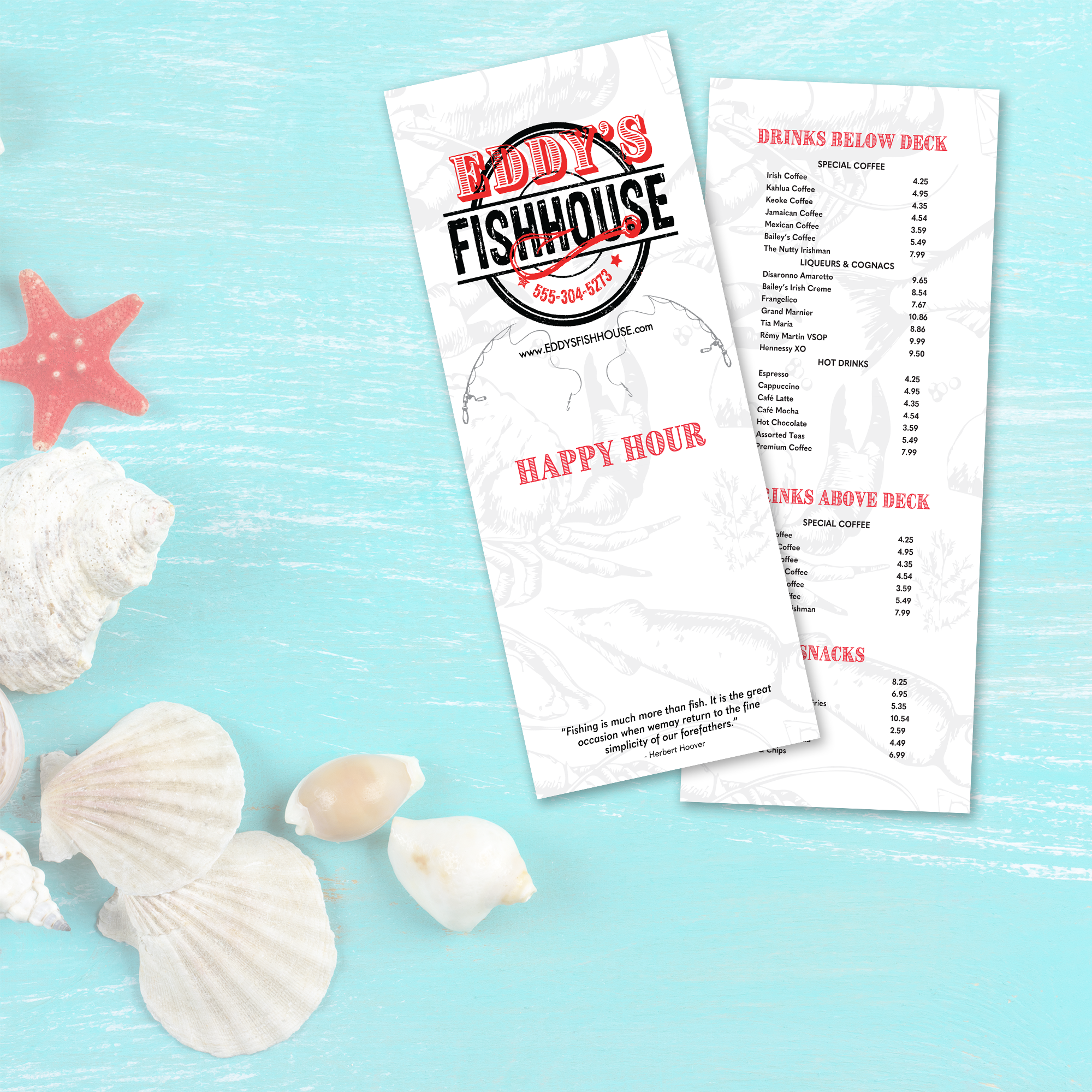
Desserts and after-dinner drinks should be listed in a clearly separated section at the end of the menu. This placement encourages impulse add-ons at the end of the meal. Keeping desserts and beverages cleanly formatted also prevents the menu from feeling bottom-heavy. If your fish house uses a long, narrow table menu format for drinks or special features, our Free 6 x 15 Menu Templates can provide layout inspiration for keeping a smaller format readable and premium.

Fish houses often change menus more frequently than other restaurants because seafood availability, market prices, and seasonal specialties rotate constantly. A strong template makes these updates easier while maintaining a consistent and professional look. Below are the most effective ways templates support seasonal changes without requiring a redesign each time.

  • Structuring a “Fresh Catch” section that updates weekly: Keeping a dedicated “Fresh Catch” area makes it easy to swap seasonal fish without disrupting the rest of the menu, and it helps guests quickly find what’s freshest today.
  • Presenting market pricing without making the menu messy: Market pricing can look confusing if it’s scattered throughout the menu, but templates allow you to format it consistently so guests understand it without slowing down ordering.
  • Using inserts for chef specials and seasonal seafood: Instead of reprinting your full menu every time, templates support inserts for seasonal oysters, featured entrées, and limited-time starters, keeping updates clean and cost-effective.
  • Rotating appetizers and oysters without redesigning the menu: A structured template makes it simple to rotate raw bar selections and shareables in a designated space, helping guests see what’s new while maintaining a familiar layout.
  • Keeping takeout and dine-in menus aligned: Templates help maintain the same core structure across dine-in menus and takeout menus, reducing guest confusion and ensuring your brand's presentation remains consistent across service formats. For restaurants that want a fresh, seasonal visual direction, layout inspiration like our Free Italian Garden Templates can help shape a clean, modern seasonal presentation while still keeping seafood at the center.

Fish house templates are designed for menus that require strong structure, clear ingredient listings, and easy scanning, making them useful beyond traditional seafood restaurants. Any business that lists multiple categories, rotates items, and offers premium options can benefit from the same layout approach.

  • Coastal cafés and beach grills with seafood-heavy menus often feature seafood baskets, grilled fish, and shareables. A fish house template keeps the menu clean and easy to scan, even when items rotate frequently.
  • Hotel room service menus featuring seafood and small plates: Room service menus require a simple structure and transparent pricing, and seafood sections benefit from a fish house-style layout that organizes premium options rather than making them feel crowded.
  • Catering menus for seafood platters and event trays: Catering menus often require package formatting, portion notes, and add-ons. Fish house templates help present trays and seafood bundles clearly, allowing customers to compare options easily.
  • Food trucks and pop-ups offering limited seafood options: Smaller formats still require a clear menu structure that is easy to read, and fish house templates support fast ordering by keeping categories concise and pricing easily accessible.
  • Retail seafood markets with prepared-food menu boards: Prepared food counters often utilize menu boards that list rotating soups, seafood meals, and cold bar items. A seafood-style template structure helps keep these boards readable and professional throughout daily updates.

Fish house menus are subject to constant handling, moisture, sauce spills, and frequent cleaning, particularly around raw bar service and seafood entrées. Traditional lamination may appear clean at first, but over time, it often clouds up, bubbles, or delaminates, making menus look worn and harder to read. Our waterproof menu printing is designed to remain clear, durable, and professional throughout daily use.

Why Lamination Clouds Up and Delaminates Over Time

Laminated menus rely on an added layer that can degrade with repeated wiping and exposure to moisture. Over time, that layer can haze, bubble, or peel at the edges. Once delamination begins, menus appear unprofessional and typically require replacement. This creates unnecessary reprint cycles for seafood restaurants that frequently update their menus.

Soap and Water Cleaning for Seafood Spills and Moisture

Seafood menus often face spills from sauces, butter, condensation, and drinks. We recommend simple soap and water for our paper, which supports everyday cleaning routines without damaging the menu surface. Because the material itself is waterproof, it stays clear through repeated wipe-downs without relying on lamination that can cloud up over time.

Folded Menus That Stay Presentable Without Cracking

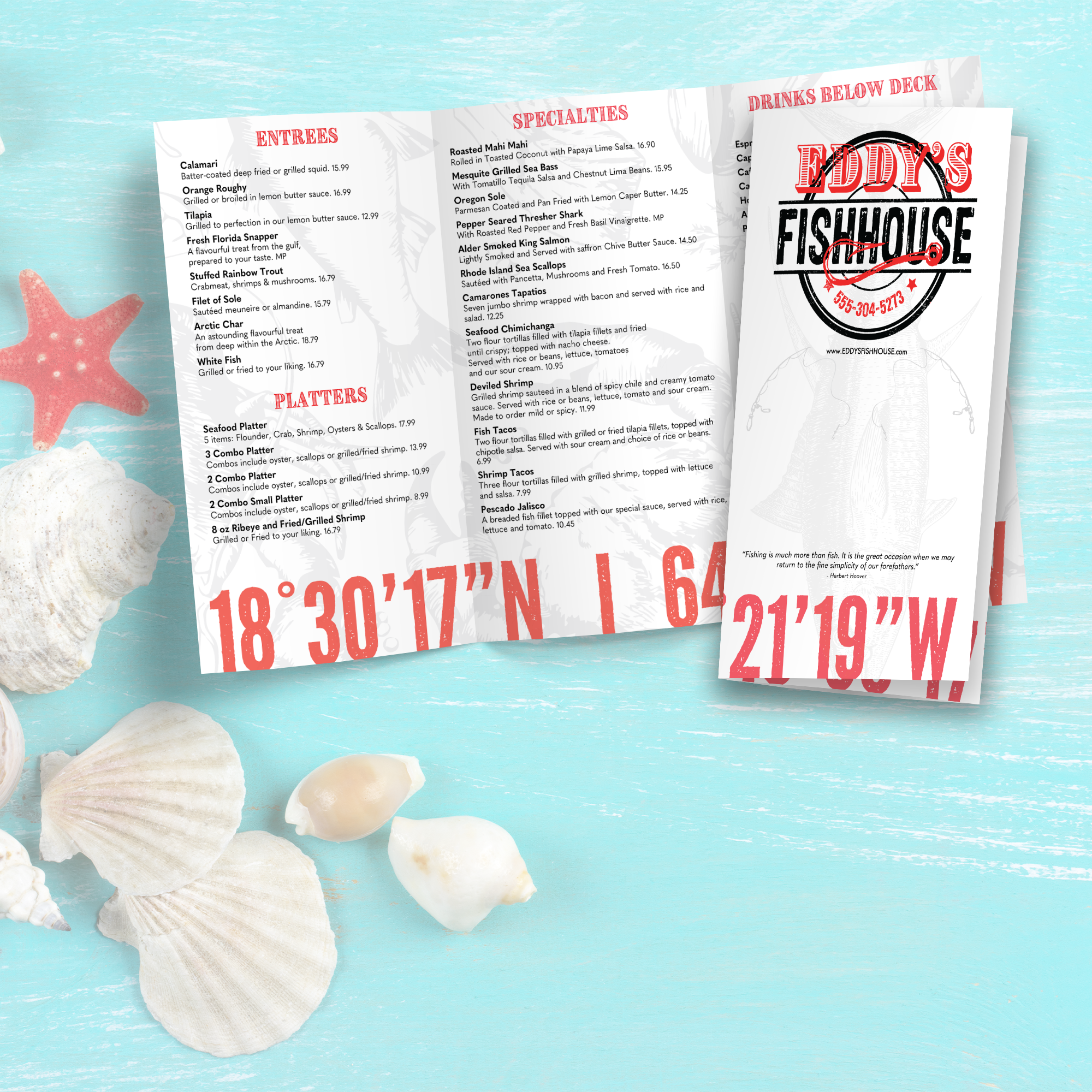
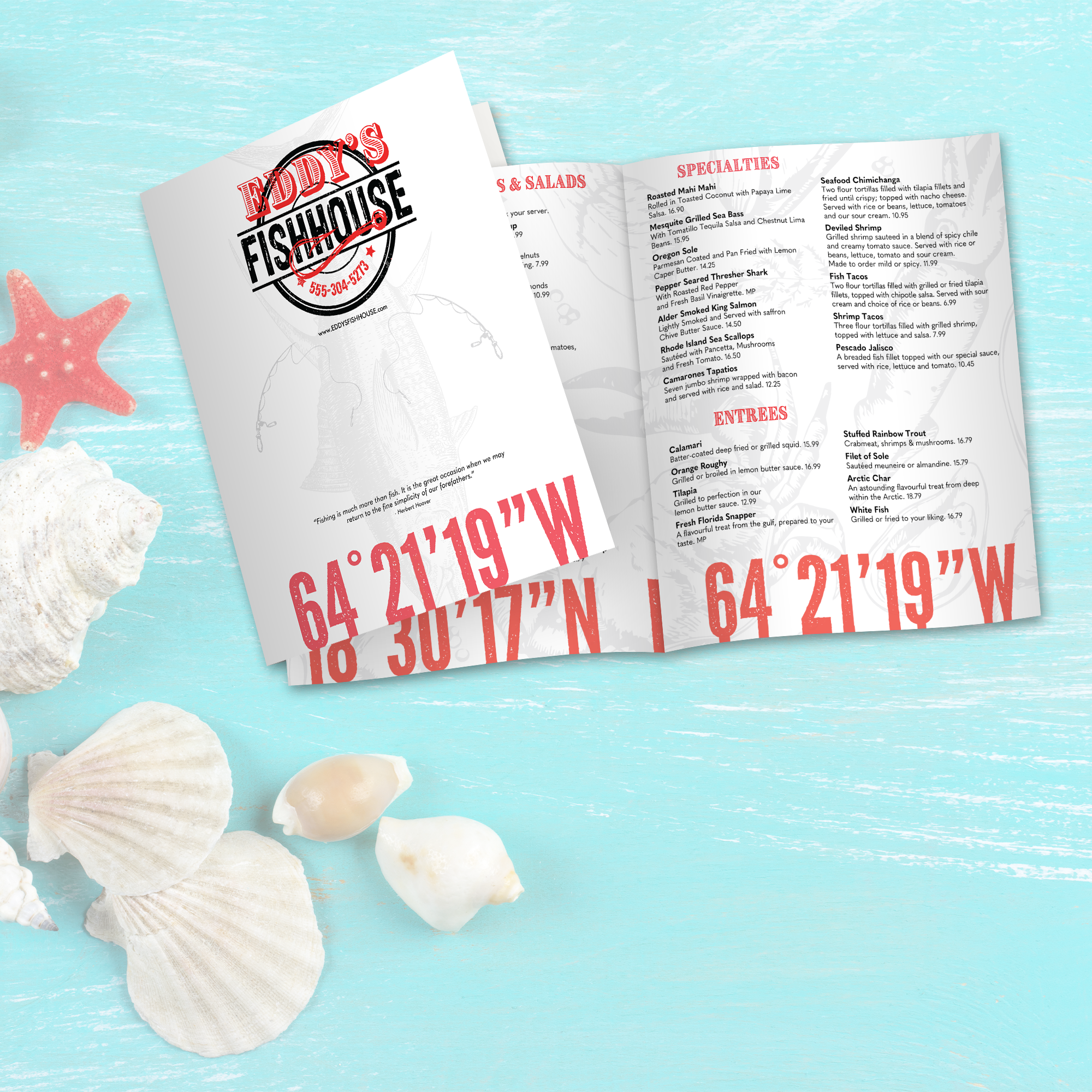
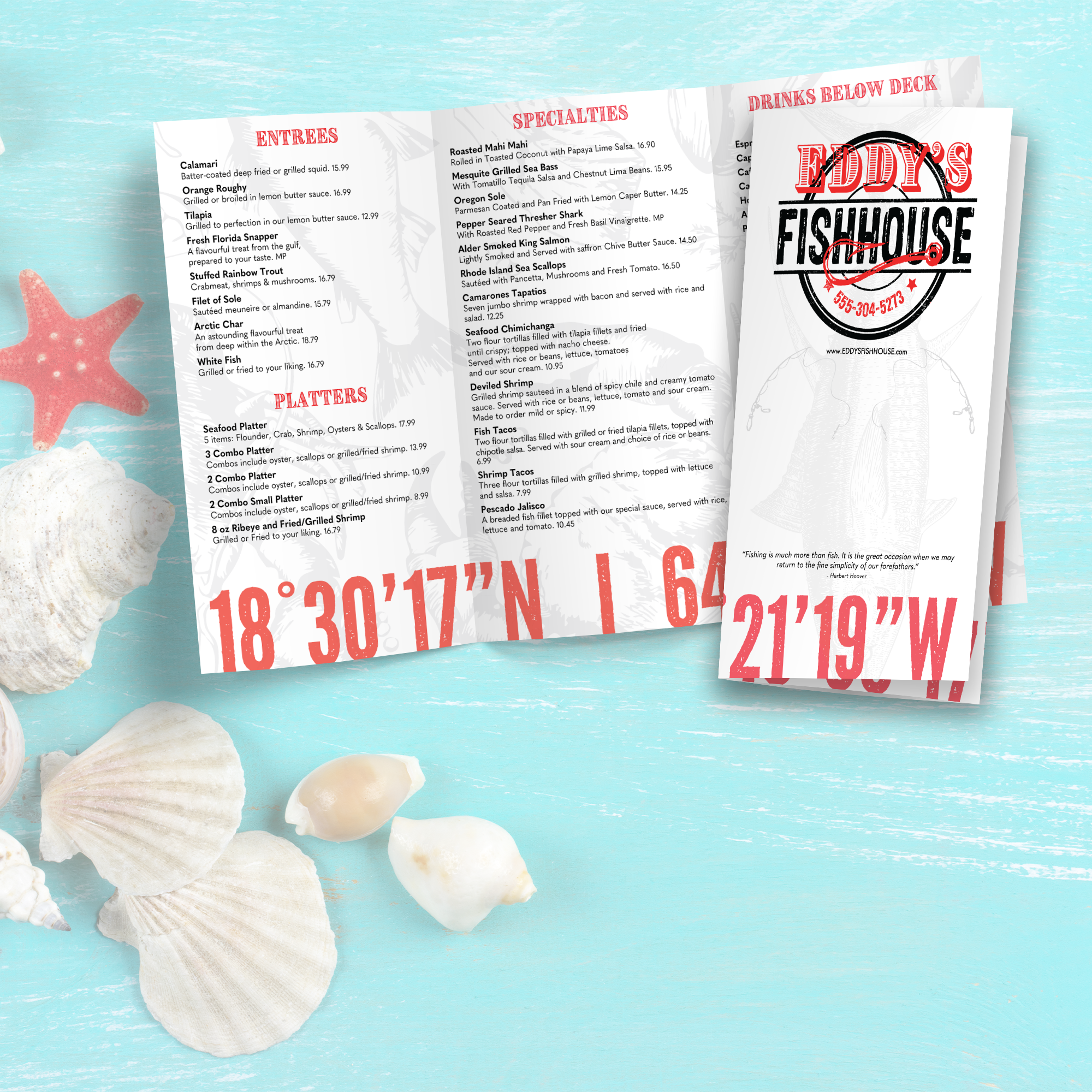
Many fish house menus use folded formats to separate raw bar, entrées, sides, and drinks. Traditional lamination typically cannot be folded without cracking or peeling at the fold lines. Our waterproof menus support folding options, such as bi-folds and tri-folds, helping fish houses maintain a structured layout while keeping menus durable through daily use.

Thickness Options for Premium Menu Feel

We offer multiple thicknesses, including 5 Mil, 8 Mil, 10 Mil, and 14 Mil. Thinner options are suitable for inserts or smaller menus, while thicker options offer a sturdier feel for full menus that are frequently handled. For 14 Mil, printing may require a commercial press or a high-quality printer. This thickness flexibility helps fish houses choose a menu feel that matches their brand presentation.

Fast Reprints for Market Price Updates

Fish houses often adjust pricing and offerings based on seasonal availability and market changes. We provide industry-leading turnaround and fast shipping, making it easier to refresh menus quickly without long delays. Instead of keeping outdated laminated menus that cloud up over time, fish houses can maintain clean, accurate menus with faster reprints when updates are needed.

Fish houses require menus that remain presentable despite heavy handling, frequent cleaning, and constant updates for seasonal seafood and fluctuating market pricing. Our menu materials and printing services support long-term durability while making it easier to refresh menus without delays. This helps seafood restaurants maintain a clean, professional presentation that matches guest expectations.

TerraSlate Waterproof, Rip-Proof Paper for Menus

We print menus on TerraSlate waterproof, rip-proof paper designed for heavy daily use. Because the material itself is waterproof, menus stay clear and readable without relying on traditional lamination that can cloud up or delaminate. This makes TerraSlate a strong option for dine-in menus, raw bar inserts, and high-touch environments where menus are cleaned frequently.

TerraShield™ Anti-Microbial Coating for High-Touch Use

For restaurants seeking added protection, we can print menus with our proprietary TerraShield™ antimicrobial coating. This supports cleaner menus in busy dining rooms, where menus are moved from table to table. It helps menus stay presentable through frequent handling while maintaining a polished look.

Menu Printing Services with Industry-Leading Turnaround

Seafood menus often change in response to availability and pricing. We can print menus for you with industry-leading turnaround and fast shipping, helping fish houses update fresh catch selections, seasonal features, and market pricing quickly. This reduces the need for temporary fixes and ensures consistent menu presentation.

Value-Oriented PolySlate for Inserts and Specials

Not every update requires a full menu reprint. Our value-oriented PolySlate line provides an economical option for inserts, specials, and short-run menus that require durability and a professional appearance. This is a practical solution for rotating features, oyster lists, or limited-time promotions.

Hydronote for Inkjet Menu Printing Needs

For restaurants that print menus in-house or use inkjet setups, Hydronote supports inkjet users who want waterproof paper options without switching to a laser-based system. This makes it easier to print smaller runs quickly while still delivering better durability than standard paper menus.